

Mozambique Loses $821 Million in International Reserves Since February
By Osvaldo 2 min
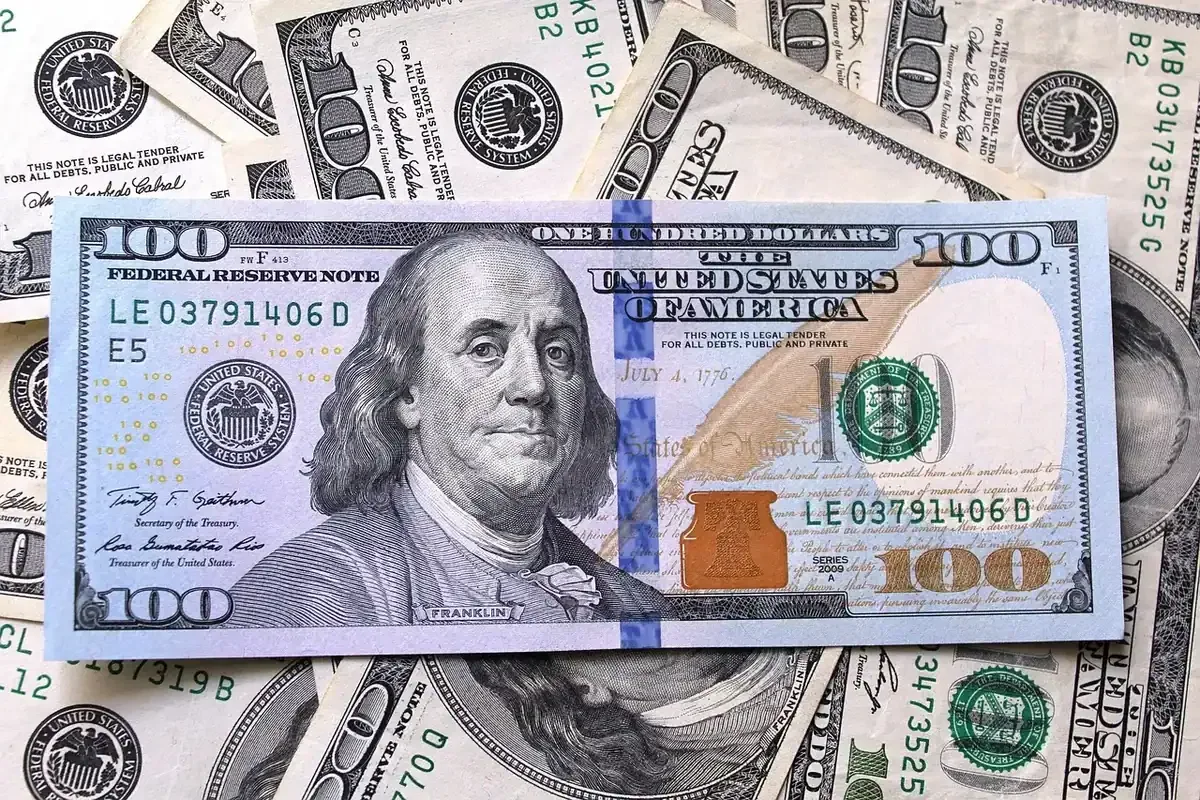
Mozambique’s Net International Reserves (NIR) fell by around $821 million between February and July 2026, according to data from the Bank of Mozambique.
Add BNEWS to your preferred sources.
Mozambique’s Net International Reserves (NIR) fell by around $821 million between February and July 2026, according to data from the Bank of Mozambique.
The country’s reserves declined from $4.258 billion in February to $3.437 billion in July, the lowest level recorded in more than a year.
Between June and July alone, the reserves fell by around $27 million, from $3.464 billion to $3.437 billion. July therefore marked the second consecutive month of decline.
According to the central bank’s latest Monthly Statistical Information Summary, around $213 million flowed into the reserves during July, while outflows totalled $261.7 million.
The main inflows included $119.4 million from bank provisioning, $57.8 million in miscellaneous inflows and $16.9 million in miscellaneous purchases.
On the outflow side, bank transfers accounted for $112.8 million, while other government-related operations represented $70.4 million. A further $40.3 million was recorded under other miscellaneous outflows.
At the current level, Mozambique’s international reserves are sufficient to cover approximately 2.8 months of total imports. Excluding the import needs of large-scale projects, coverage rises to around 4.3 months.
The sharpest decline in reserves occurred in March, after the Government used part of the country’s reserves to make an early repayment of financing owed to the International Monetary Fund (IMF).
Mozambique made a full and early repayment of around $698.6 million in financing contracted under the Poverty Reduction and Growth Trust.
After reaching $4.258 billion in February, reserves fell to $3.486 billion in March and $3.470 billion in April.
They recovered slightly to $3.504 billion in May, before falling again to $3.464 billion in June and $3.437 billion in July.
At the time of the IMF repayment, then Governor of the Bank of Mozambique Rogério Zandamela dismissed concerns that the operation could weaken the central bank’s financial position.
“The Bank of Mozambique did not become weaker, more fragile or vulnerable because of this decision. I would even say the opposite,” Zandamela said.
The decline in reserves comes at a time when businesses continue to report difficulties accessing foreign currency to finance imports.
The Confederation of Economic Associations of Mozambique (CTA) has warned that the shortage of foreign currency is restricting the import of raw materials, the fulfilment of contracts and the expansion of businesses.
CTA President Álvaro Massingue has previously described the shortage of foreign currency as an “economic emergency”.
Five Premier League clubs are interested in signing Mozambican international Geny Catamo and are monitoring his situation at Sporting, with a possible move in the January transfer window.

North Korean leader Kim Jong-un has reaffirmed his country’s support for Russia in the war against Ukraine and expressed his intention to deepen cooperation with Moscow.
Mozambique’s Ministry of Health (MISAU) has introduced a traceability seal for medicines and medical supplies distributed through the National Health Service (SNS), in a move aimed at strengthening control and preventing theft and diversion.

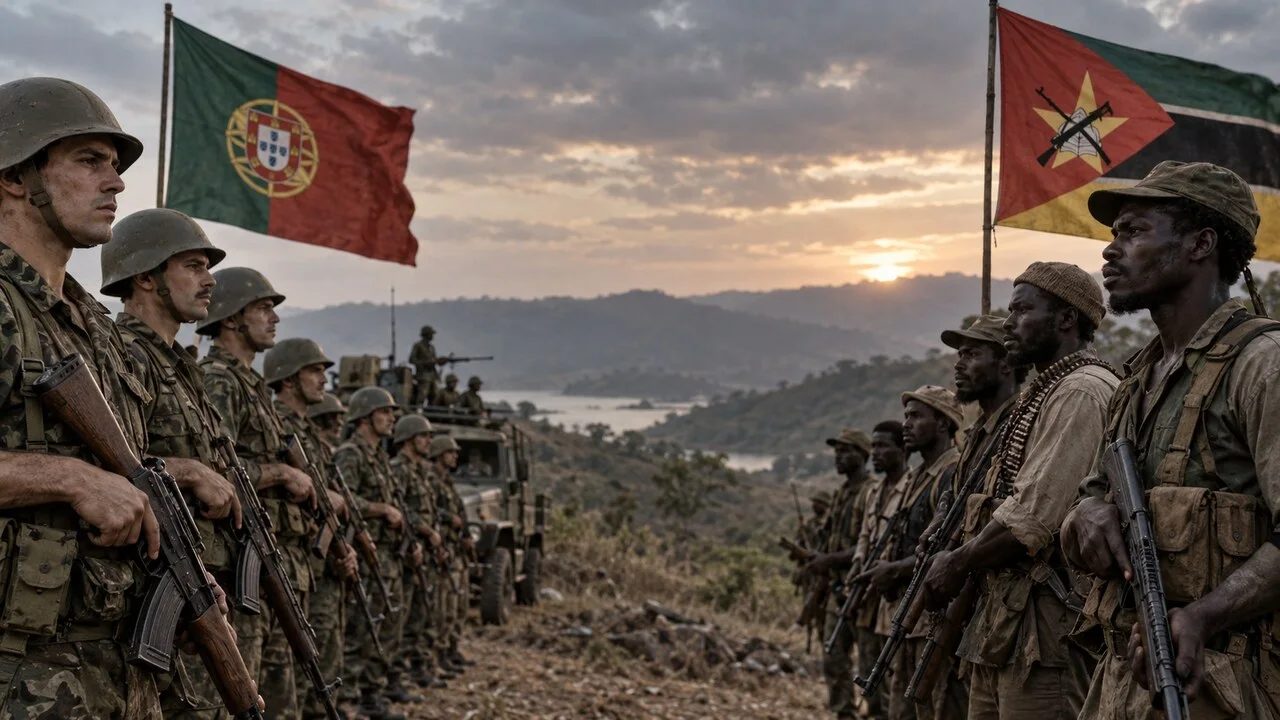
Mozambique has requested access to military archives held in Portugal to deepen research into the country’s national liberation struggle and complete historical records related to Mozambican combatants.
ANAMOLA has appointed James Njiji as interim secretary-general, replacing Messias Uarreno, who was removed from the position after about a year in office.

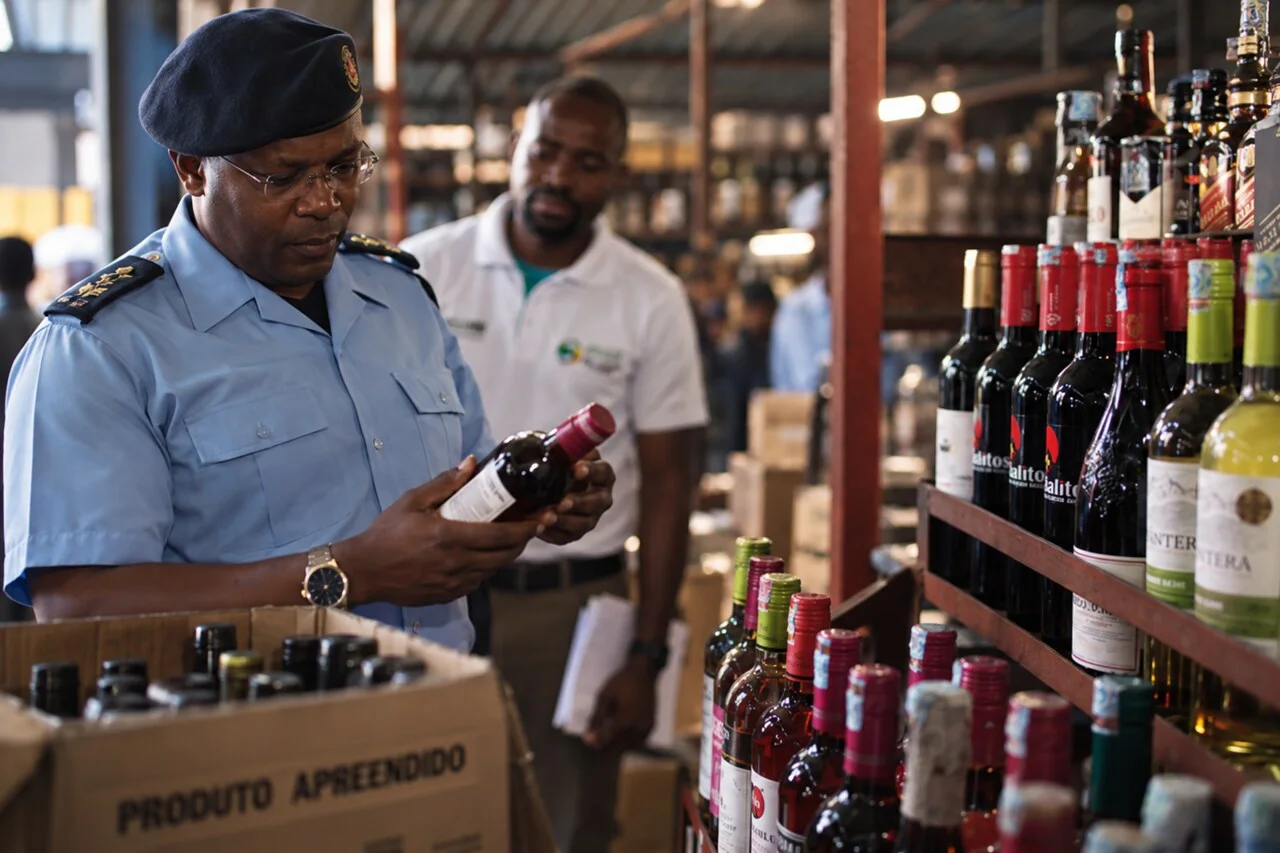
Authorities have seized 17,279 units of alcoholic beverages valued at around 1.3 million meticais during an inspection operation carried out in Matola, Maputo Province.
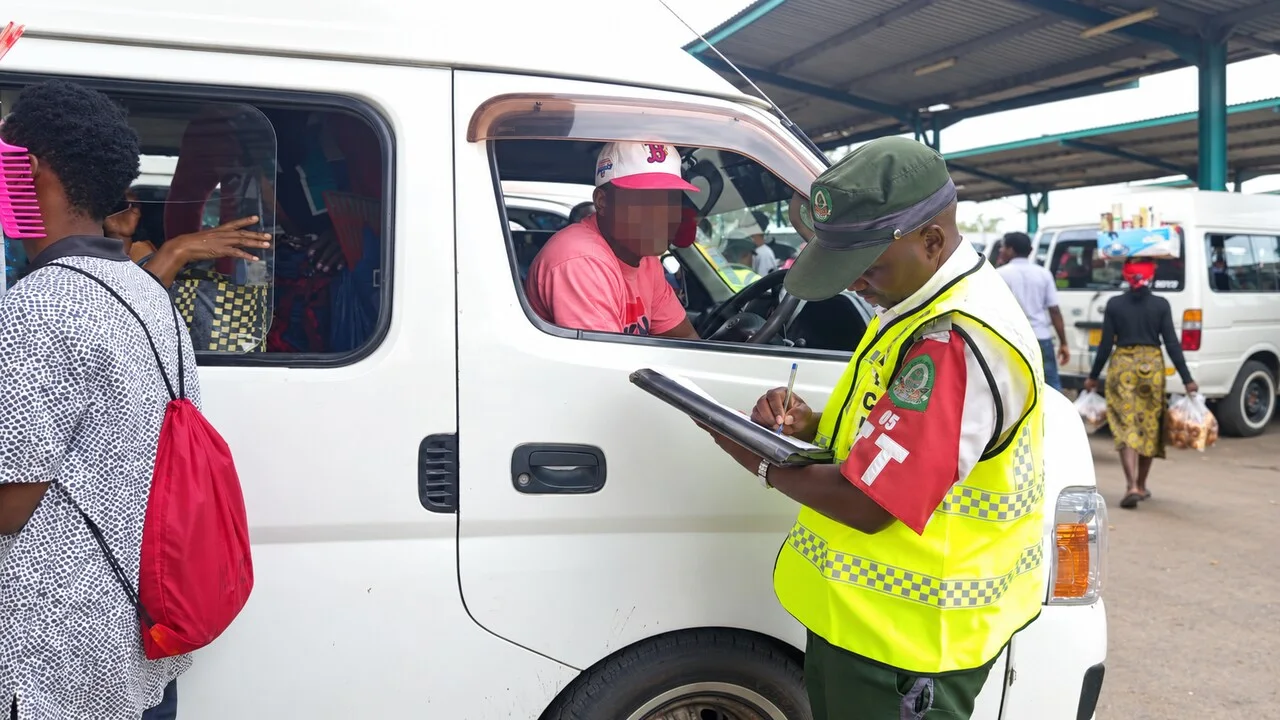
Public minibus operators in Maputo City will be required to use standardised route identification signs, in a move aimed at improving monitoring and making it easier for passengers to identify and report irregularities.
Domestic workers in Mozambique are set to benefit from new labour protections, including written employment contracts, mandatory registration with the Social Security system, paid leave and stronger safeguards against harassment.