

US Spent $38 Billion on War in Iran
By Isabel Dalciana 2 min
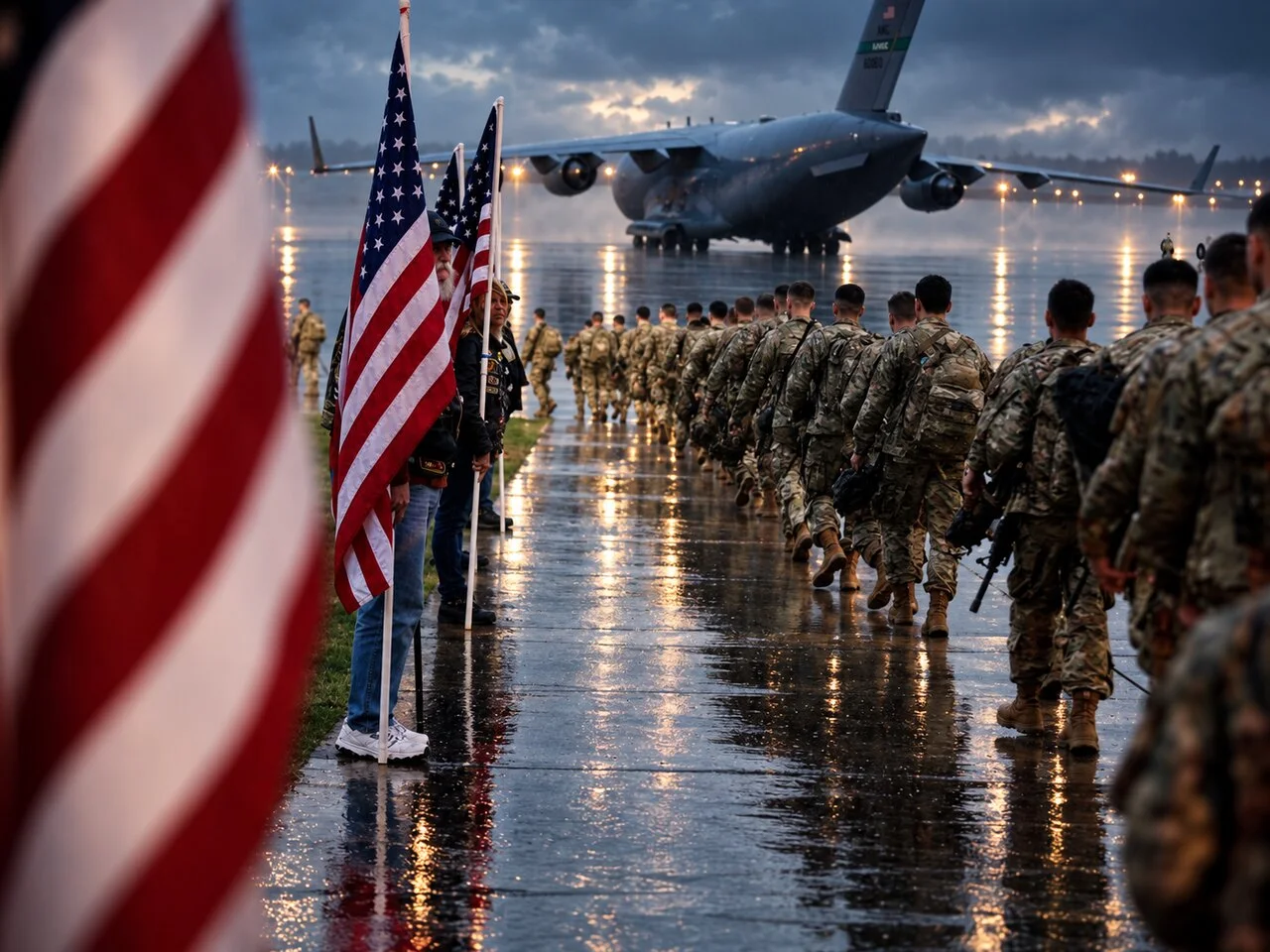
The United States spent around $38 billion on military operations against Iran by 1 August 2026, according to an estimate released by the US Congressional Budget Office (CBO).
Add BNEWS to your preferred sources.
The United States spent around $38 billion on military operations against Iran by 1 August 2026, according to an estimate released by the US Congressional Budget Office (CBO).
The report, published on 15 September, indicates that the costs are mainly linked to replacing ammunition and equipment lost in combat, increased flight hours, military operations and higher fuel expenses.
The estimate covers costs incurred by the US Department of Defense since combat operations against Iran began in February under what has been designated Operation Epic Fury.
According to the CBO, spending could continue to rise as long as the conflict persists. If the intensity of the fighting remains relatively low, similar to levels recorded in May and June, each additional month could cost around $2 billion.
If fighting returns to levels seen in July, monthly costs could rise to around $3 billion. A further military escalation could push spending even higher.
The CBO cautioned, however, that the figures are subject to “considerable uncertainty” because the Department of Defense did not respond to requests for information made during the preparation of the report. The agency therefore relied on government databases and publicly available reports.
In June, the US administration requested $87.6 billion in supplemental funding from Congress, of which $67.1 billion would go to the Department of Defense for conflict-related expenses. According to the CBO, around $42.3 billion of that request appears to be directly linked to military operations.
Impact on Prices
In addition to military spending, the CBO said the conflict is also putting pressure on the US economy through higher energy prices.
Reduced shipments of oil and natural gas through the Strait of Hormuz, combined with disruptions to shipping in the Red Sea, have contributed to higher international energy and refined petroleum product prices.
The agency estimates that, by the first quarter of 2027, inflation measured by the Personal Consumption Expenditures price index could be 0.5 percentage points higher than projected in February 2026 because of the effects associated with the conflict.
The CBO also warned that the heavy use of missile defence interceptors during military operations could leave the United States with reduced stocks of these systems for several years.
The Bazaruto Archipelago is set to receive a new tourism project from Singita, an African luxury hospitality and ecotourism group, with its first property planned for Santa Carolina Island.
Meta CEO Mark Zuckerberg has rejected calls to pause or slow down the development of artificial intelligence, arguing that competition between companies and the risk of lawsuits already create enough pressure to make AI systems safer.

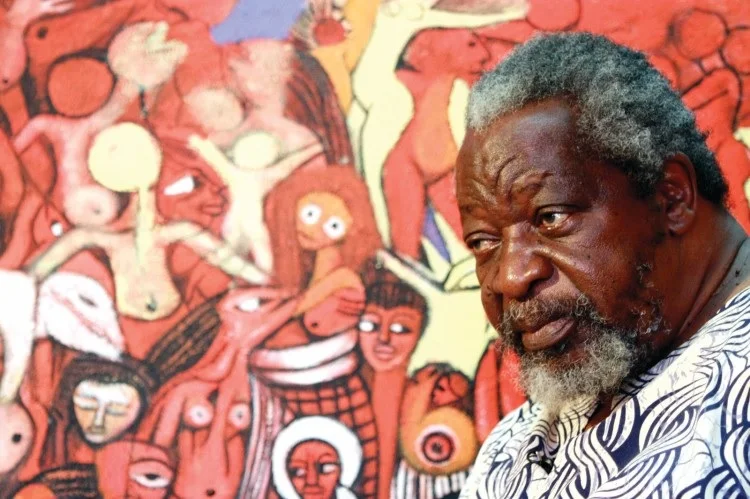
The Eduardo Mondlane University (UEM) has posthumously awarded an Honorary Doctorate to renowned Mozambican artist Malangatana Valente Ngwenya, recognising his contribution to the arts, literature and culture, as well as his role in promoting Mozambique internationally.
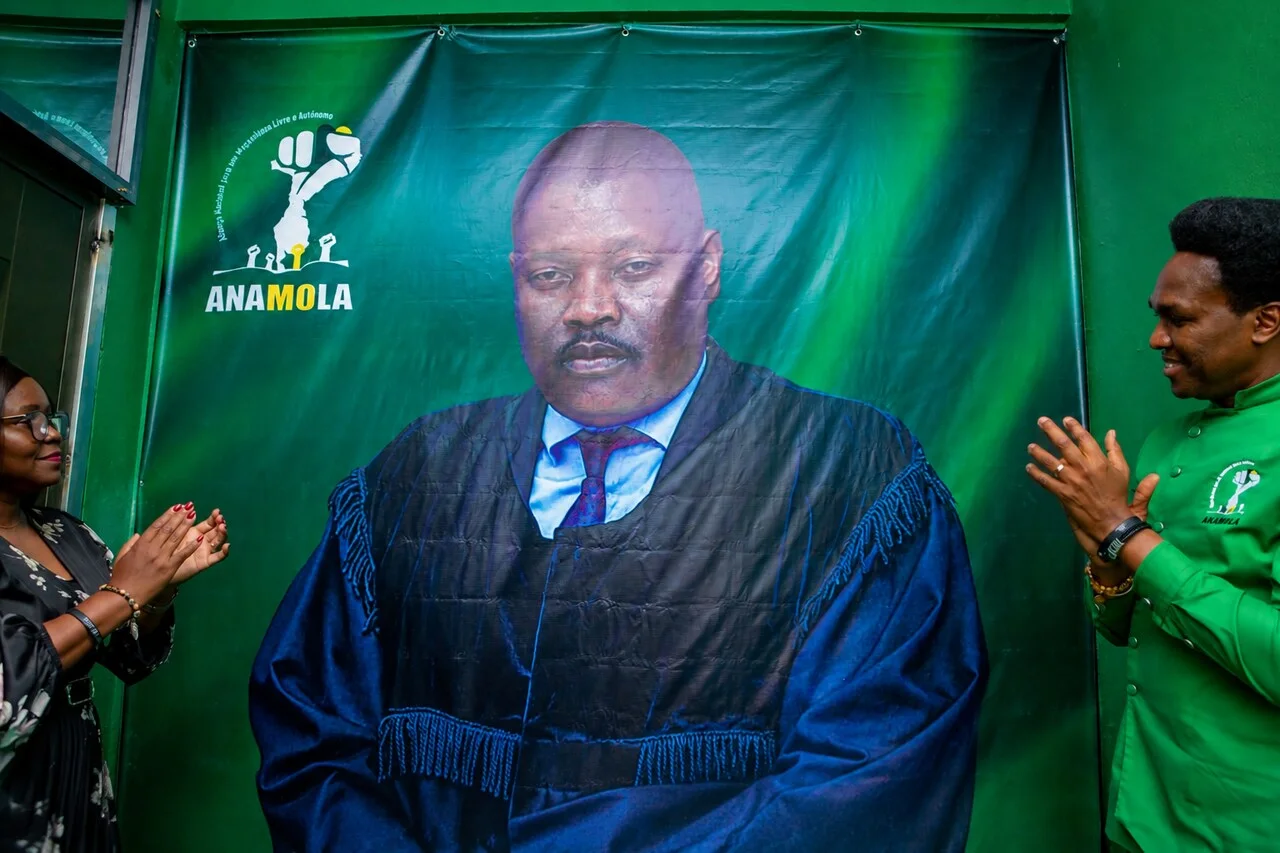
The National Alliance for a Free and Autonomous Mozambique (ANAMOLA) says 57 of its members have been killed since August 2025 and is calling for a thorough and transparent investigation into the cases.
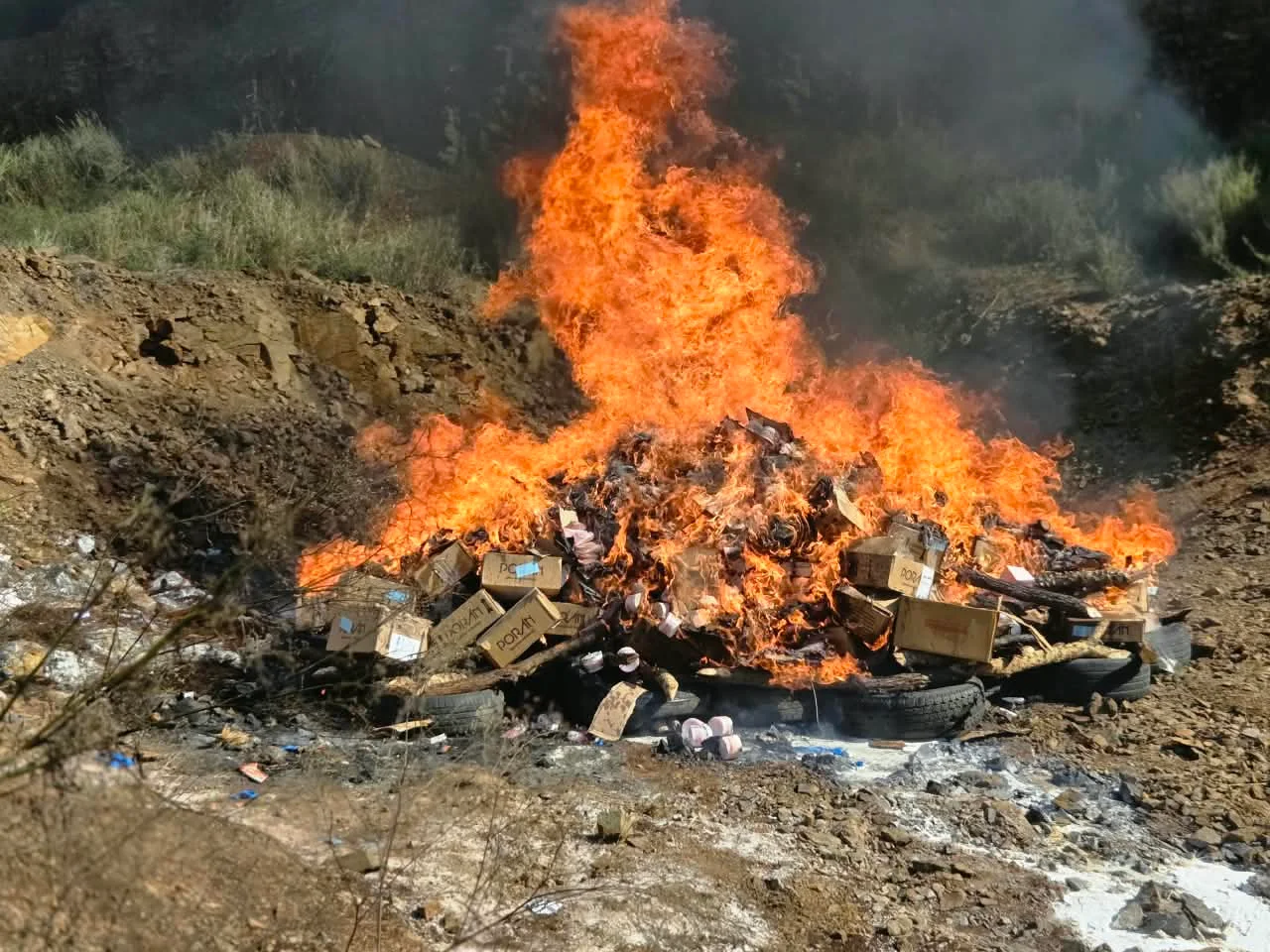
Mozambique’s National Criminal Investigation Service (SERNIC) has incinerated 1,373 kilograms of drugs seized at Maputo International Airport, in an operation carried out at the Moamba landfill.
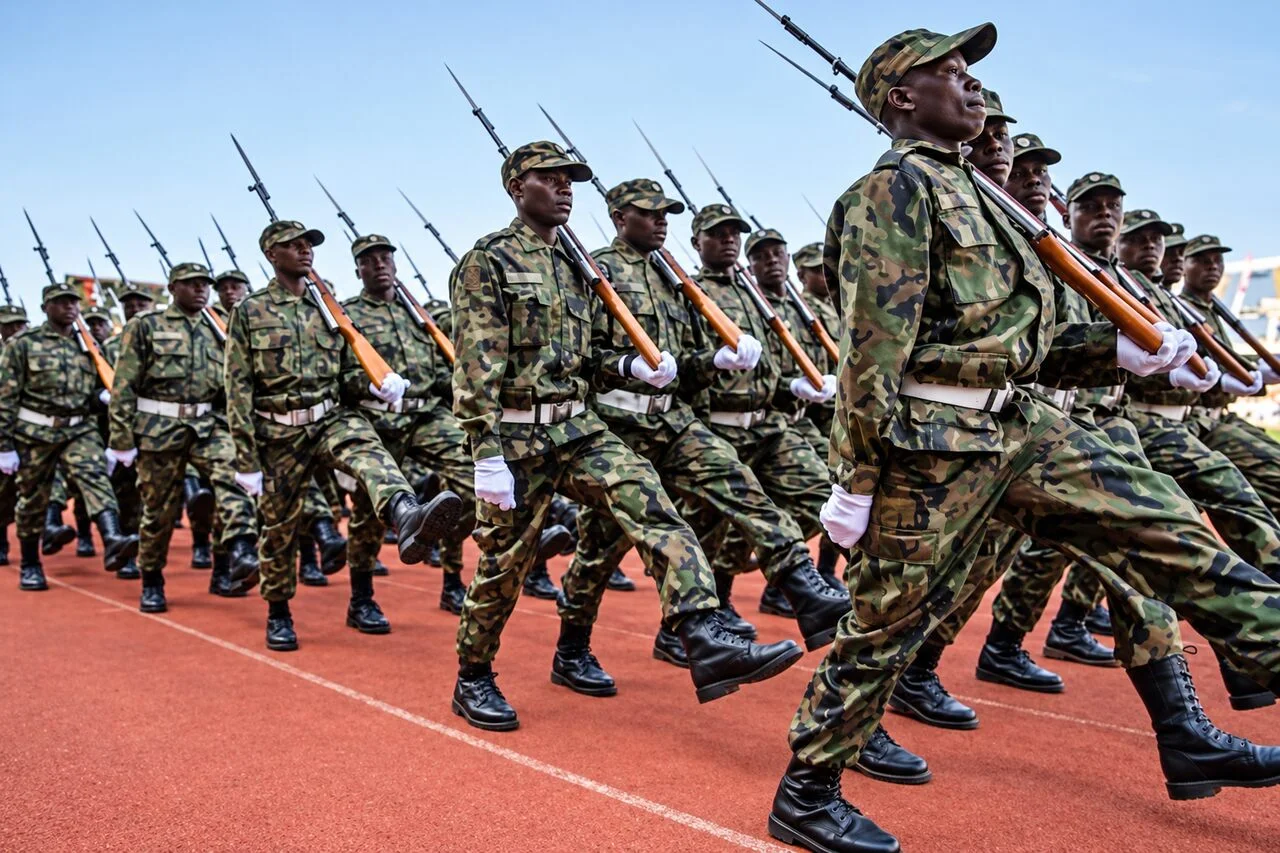
The Government has approved the creation of Provincial Delegations of the Social Services of the Mozambique Armed Defence Forces (SSFADM), in a move aimed at bringing social support and services closer to military personnel across the country.
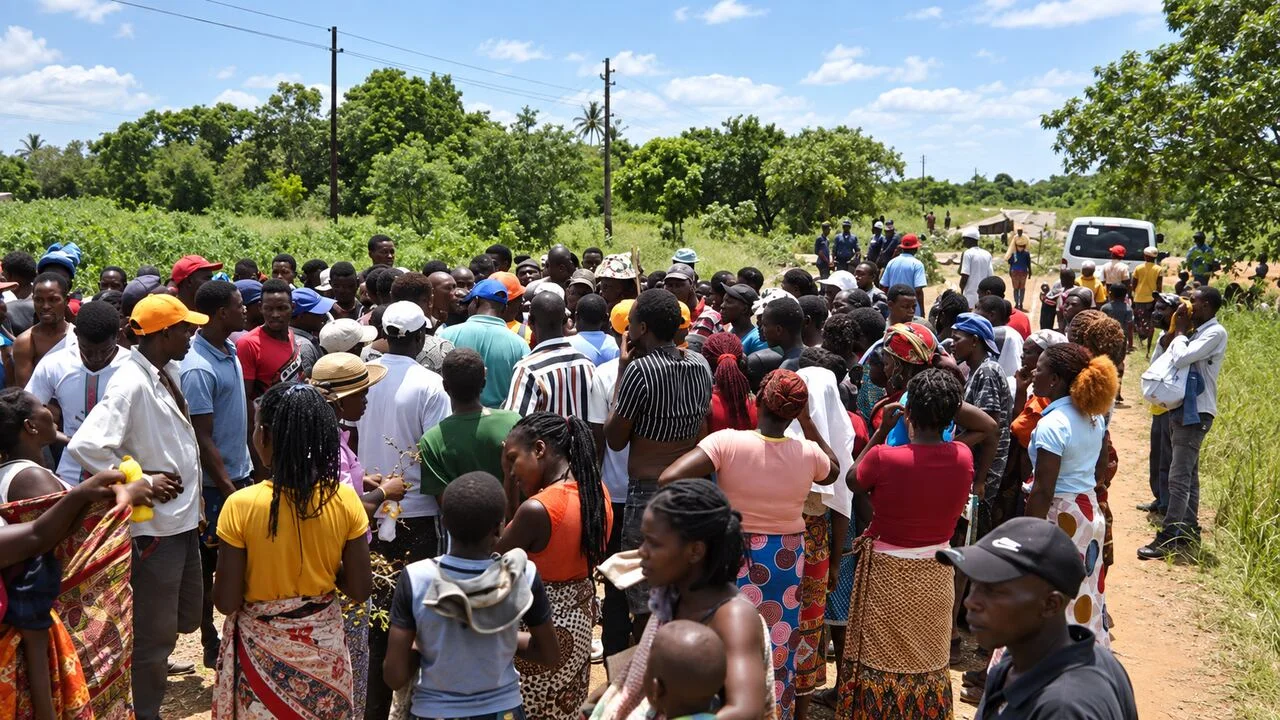
Around 400 vendors from Senta Baixa Market, in Chongoene district, Gaza Province, have again rejected plans to relocate them to the Mercado da Paz, citing safety concerns and questions over ownership of the proposed site.
Cabo Verde’s President, José Maria Neves, has announced his candidacy for the presidential election scheduled for 15 November, seeking a second term in office.