The agreement was confirmed on Friday (30 October) by FEMATRO President Paulo Muthisse during a press conference, where he explained that the agreed increase was significantly lower than the operators' initial proposal of 20 meticais per journey, which they had demanded to offset rising operating costs.
Despite accepting the adjustment, the federation considers the five-metical increase insufficient to address the financial difficulties facing transport operators.
"We are not satisfied because our proposal was for 20 meticais. The five meticais still do not adequately address the concerns of transport operators," Muthisse said, as quoted by the Lusa news agency.
Under the proposed new fare structure, journeys currently costing 15 meticais are expected to increase to 20 meticais, while routes charging 18 meticais could rise to 23 meticais, directly increasing commuting costs for thousands of passengers who rely on semi-collective transport services every day.
The FEMATRO president explained that, despite the operators' demands, negotiations also took into account the financial capacity of passengers, seeking to strike a balance between the sustainability of transport services and the impact of higher fares on household budgets.
"We do not only consider our profits; we also take into account the situation of the Mozambican people. That was also a major factor," he stated.
The agreement was reached following several rounds of negotiations between FEMATRO and the Metropolitan Transport Agency (AMT), which represented the Government during discussions on fare adjustments.
Transport operators intensified their demands following sharp increases in fuel prices in May, when diesel prices rose by 45.5% and petrol prices increased by 12.1%, putting considerable pressure on the operating costs of transport companies and individual operators.
At the time, the Government attributed the increases to developments in international petroleum markets and supply difficulties linked to the conflict in the Middle East.
To prevent an immediate rise in passenger fares, the Government introduced a temporary financial compensation mechanism for transport operators, which remained in place between June and August 2026, in anticipation of stabilising fuel prices on international markets.
However, Government spokesperson Inocêncio Impissa later acknowledged that the State could not maintain subsidies indefinitely, paving the way for renewed negotiations over transport fares.
Muthisse argued that the compensation mechanism had shortcomings that negatively affected operators, although he acknowledged the importance of the financial support provided by the Government.
He also stressed that the sector's sustainability should depend on the regular provision of transport services, supported by conditions that enable operators to cover vehicle maintenance, fuel and other operating expenses.
The agreed fare adjustment covers transport services operating within the Greater Maputo metropolitan area, including Maputo, Matola, Marracuene, Matola Rio, Boane, Namaacha and Manhiça.
In the country's other provinces, any potential fare adjustments will have to be negotiated by local transport associations in coordination with their respective provincial governments.
FEMATRO also announced plans to strengthen monitoring at major transport terminals from 7 November to oversee the implementation of the new fares and combat practices such as the unauthorised shortening of routes, a recurring complaint among passengers.
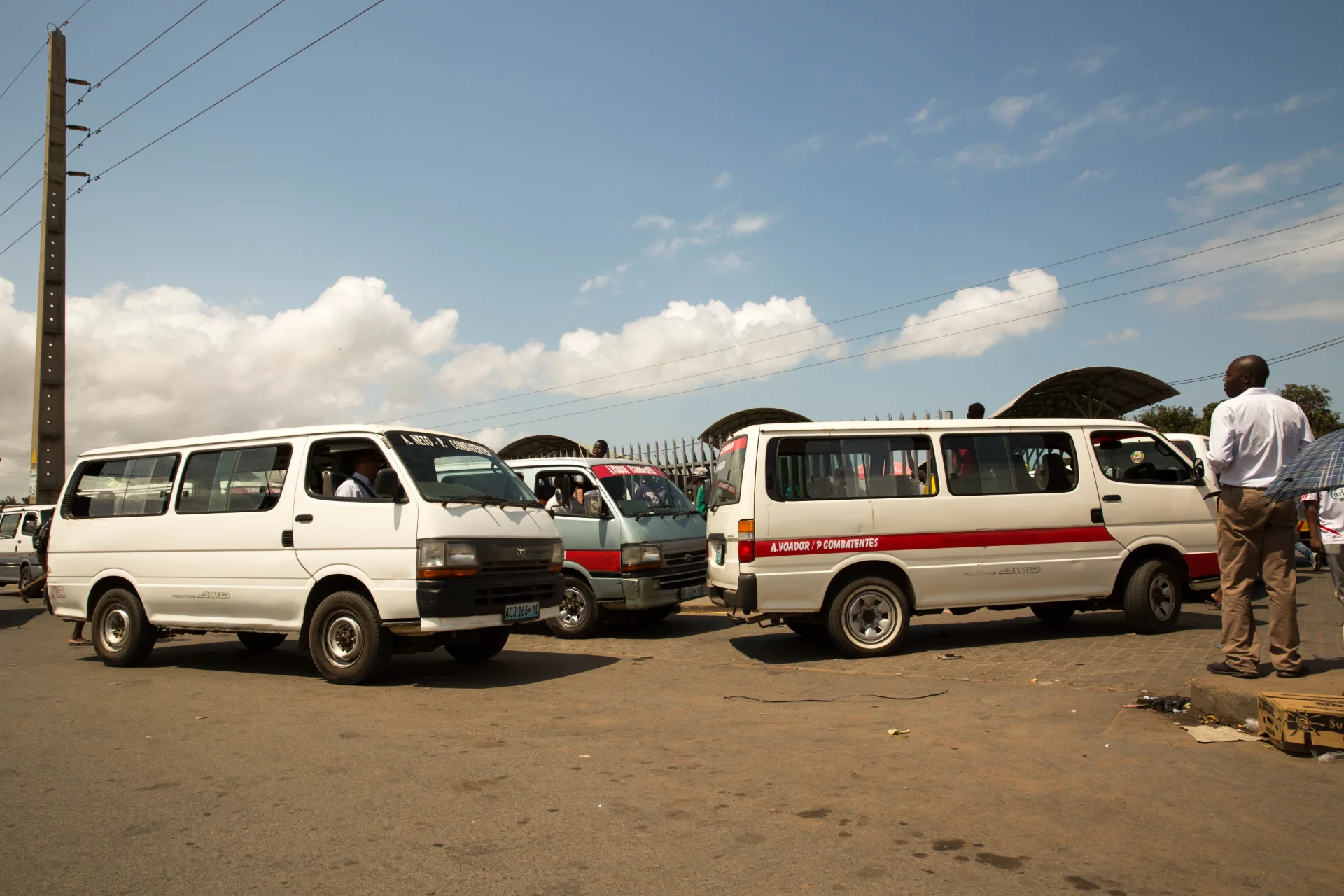
The increase scheduled for November represents additional pressure on household transport expenditure in Greater Maputo, where semi-collective minibuses, commonly known as chapas, remain one of the main means of daily transport for workers, students and other commuters.
Meanwhile, the implementation of the new fares remains subject to formal confirmation by the relevant authorities, with transport operators awaiting an official announcement regarding the adjustment.