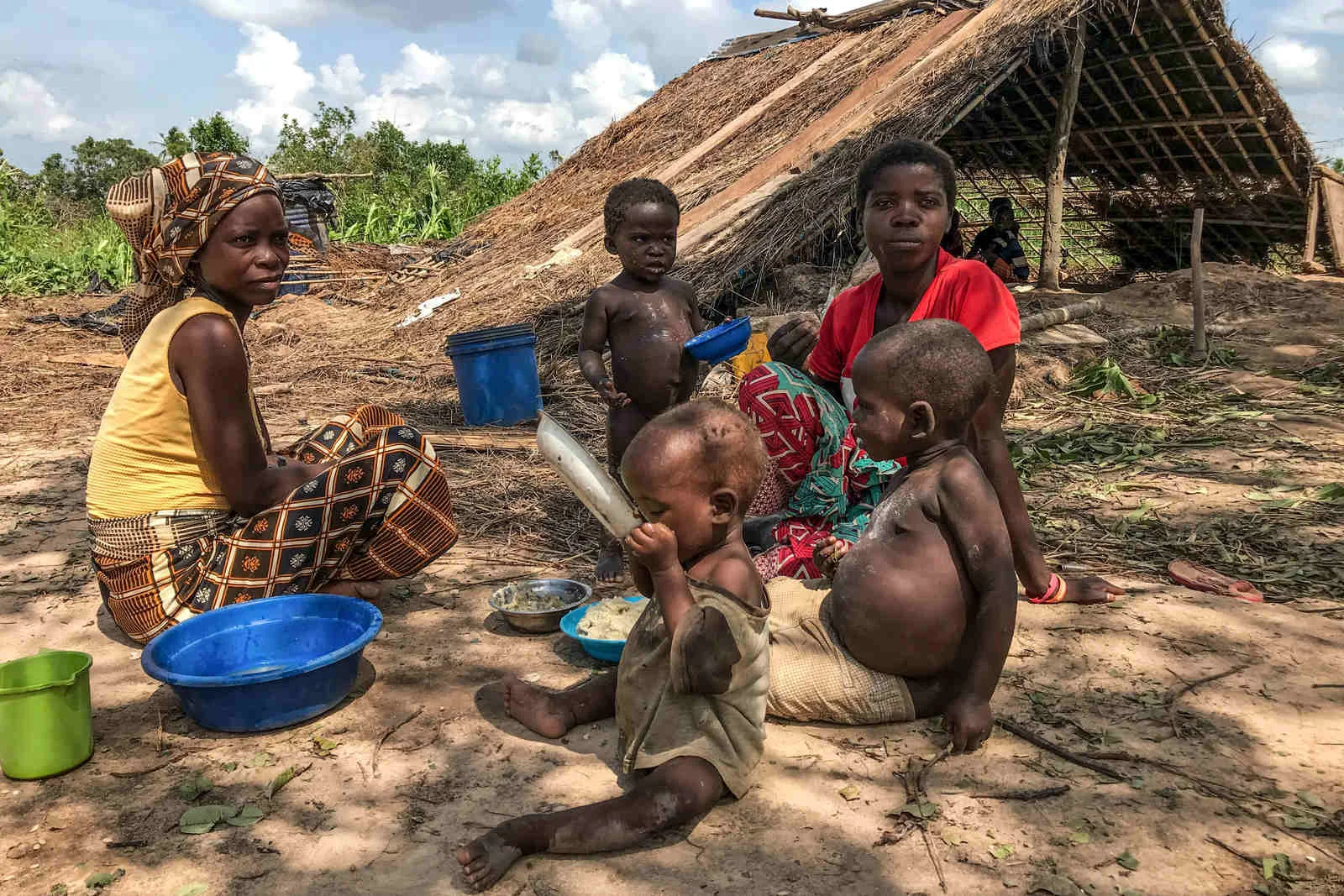
The warning comes as thousands of families continue to recover from successive extreme weather events, including floods, while struggling to access food, water and seeds for the upcoming agricultural season.
According to the organisation, the prospect of another drought could undermine agricultural production, worsen food shortages and increase the vulnerability of rural communities, particularly in the southern and central regions of the country.
"After years of repeated climate shocks, [communities] have few resources left, and another failed harvest could push them even deeper into hunger," CARE said in a statement released on Friday.
According to the latest Integrated Food Security Phase Classification (IPC) analysis, cited by the organisation, approximately 1.84 million people could experience crisis-level food insecurity or worse by March 2027. Of these, around 254,000 could face emergency levels of food insecurity.
The figures represent a deterioration compared with the July–September 2026 period, when approximately 1.19 million people were experiencing acute food insecurity, including 81,000 facing emergency conditions.
The same projections indicate a significant risk of acute malnutrition, potentially affecting more than 103,600 children under the age of five and approximately 11,100 pregnant or breastfeeding women.
CARE warns that women and girls are likely to be among those most affected by worsening food insecurity, as access to water, agricultural resources and essential supplies becomes increasingly difficult.
A rapid assessment conducted in September across 14 communities in Gaza, Inhambane and Nampula provinces found that water shortages are forcing women and girls to travel increasingly long distances to collect water for their families, while continuing to manage agricultural activities and household responsibilities.
The assessment also identified growing risks of early marriage, school dropout and deteriorating health and hygiene conditions, particularly among vulnerable populations.
Despite warnings of a worsening crisis, the humanitarian organisation considers the assistance currently available to drought-affected communities insufficient. According to CARE, approximately 93% of surveyed communities reported receiving no support related to the threat of water and food shortages.
In Cabo Delgado and parts of Nampula province, the effects of armed conflict and population displacement continue to disrupt agricultural activities and limit access to seeds and other farming inputs. Meanwhile, in southern Mozambique, successive droughts and floods have destroyed crops and depleted food reserves among many households.
Against this backdrop, CARE Mozambique Country Director Kátia dos Santos Dias called for urgent measures to protect community livelihoods before climate conditions deteriorate further.
"Early warnings are important, but warnings alone do not put seeds in the ground or food on the table," she said.
The organisation urged the Government, donors and international partners to strengthen support for farmers by providing drought-resistant seeds, improving access to water and delivering immediate food assistance to the most vulnerable households.
El Niño, characterised by the abnormal warming of surface waters in the central and eastern Pacific Ocean, influences rainfall and temperature patterns across different parts of the world, potentially triggering prolonged droughts and other extreme weather events.
In Mozambique, authorities have already warned of the risk of below-normal rainfall in several parts of the country, particularly in southern and central regions, with potentially serious consequences for agricultural production, water availability and food security.
The Government has announced preparations for measures to respond to and mitigate the impacts of drought, including initiatives aimed at protecting agricultural production, improving water supplies and supporting communities exposed to the effects of the climate phenomenon.
Meanwhile, the Food and Agriculture Organization of the United Nations (FAO) has requested $10 million in funding to strengthen agricultural assistance for vulnerable households, while the World Food Programme (WFP) has identified a need for $20 million to support early warning initiatives and financial assistance.
Humanitarian organisations warn that the speed of resource mobilisation and the implementation of preventive measures will be crucial to reducing agricultural losses and preventing a further deterioration in food security over the coming months.