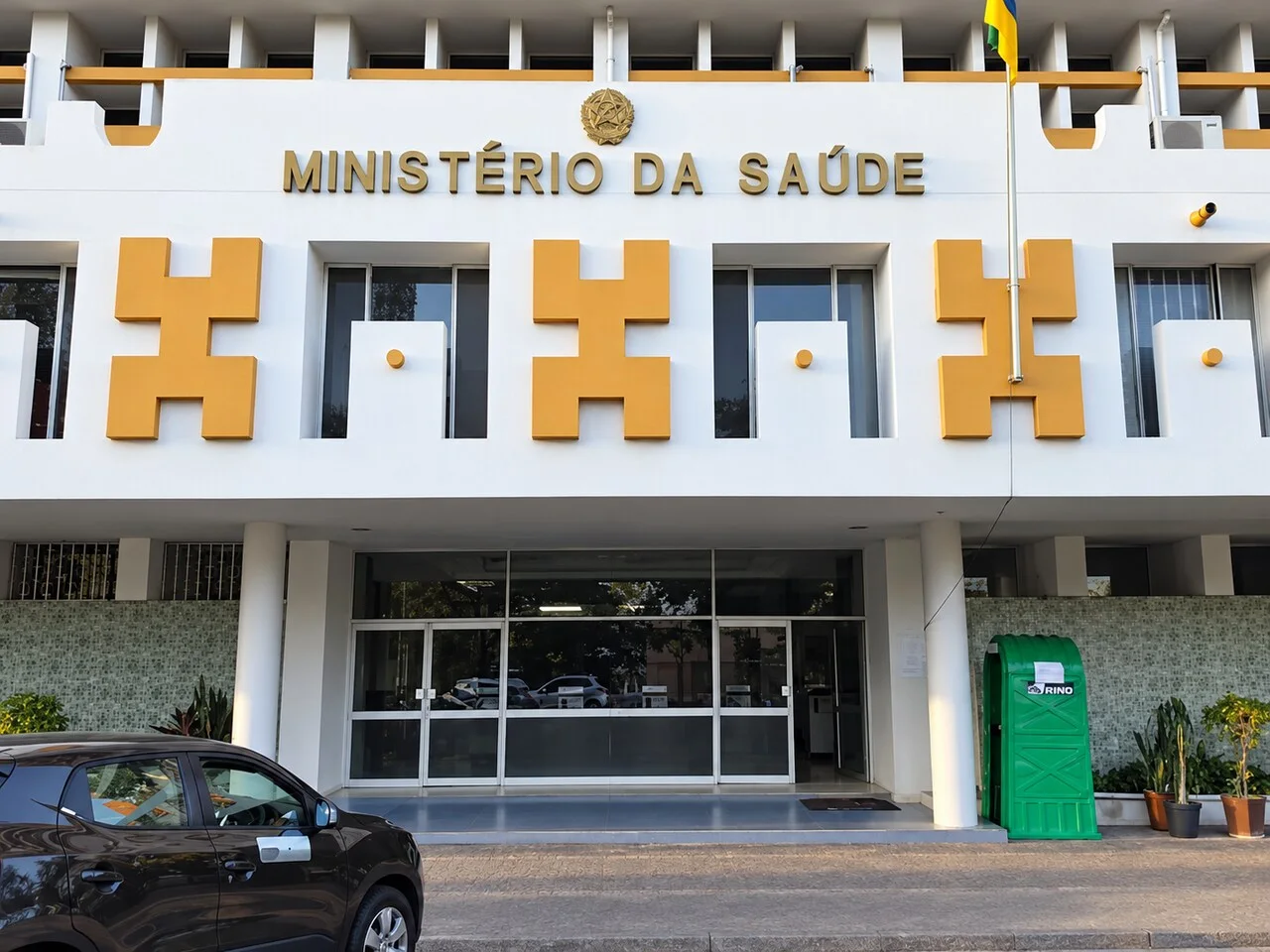
The forecast covers diseases considered sensitive to climate change and was presented by the National Institute of Health (INS) during the National Climate Outlook Forum in Maputo.
According to Américo José, Head of the Monitoring and Analysis Division at the National Health Observatory, malaria is expected to account for the largest share, with more than 4.5 million cases projected.
Febrile syndrome could reach around 1.3 million cases, while other diseases are expected to make up the remainder of the projected total for the coming rainy season.
In response to the risk, the health sector says it is strengthening preventive measures, including awareness campaigns promoting the use of mosquito nets.
MISAU has also been distributing mosquito nets during antenatal consultations at health facilities across the country, targeting pregnant women, children and other vulnerable groups.
Other preventive measures include regular handwashing and boiling drinking water in order to reduce the risk of diarrhoea and cholera.
“We believe that implementing these interventions, including vaccination against cholera, which has already been carried out in some provinces and is expected to expand across the country, could reduce the risk of infections,” Américo José said.
The projections were presented during the National Climate Outlook Forum, which brought together government institutions and cooperation partners to assess the potential impact of the next rainy season.