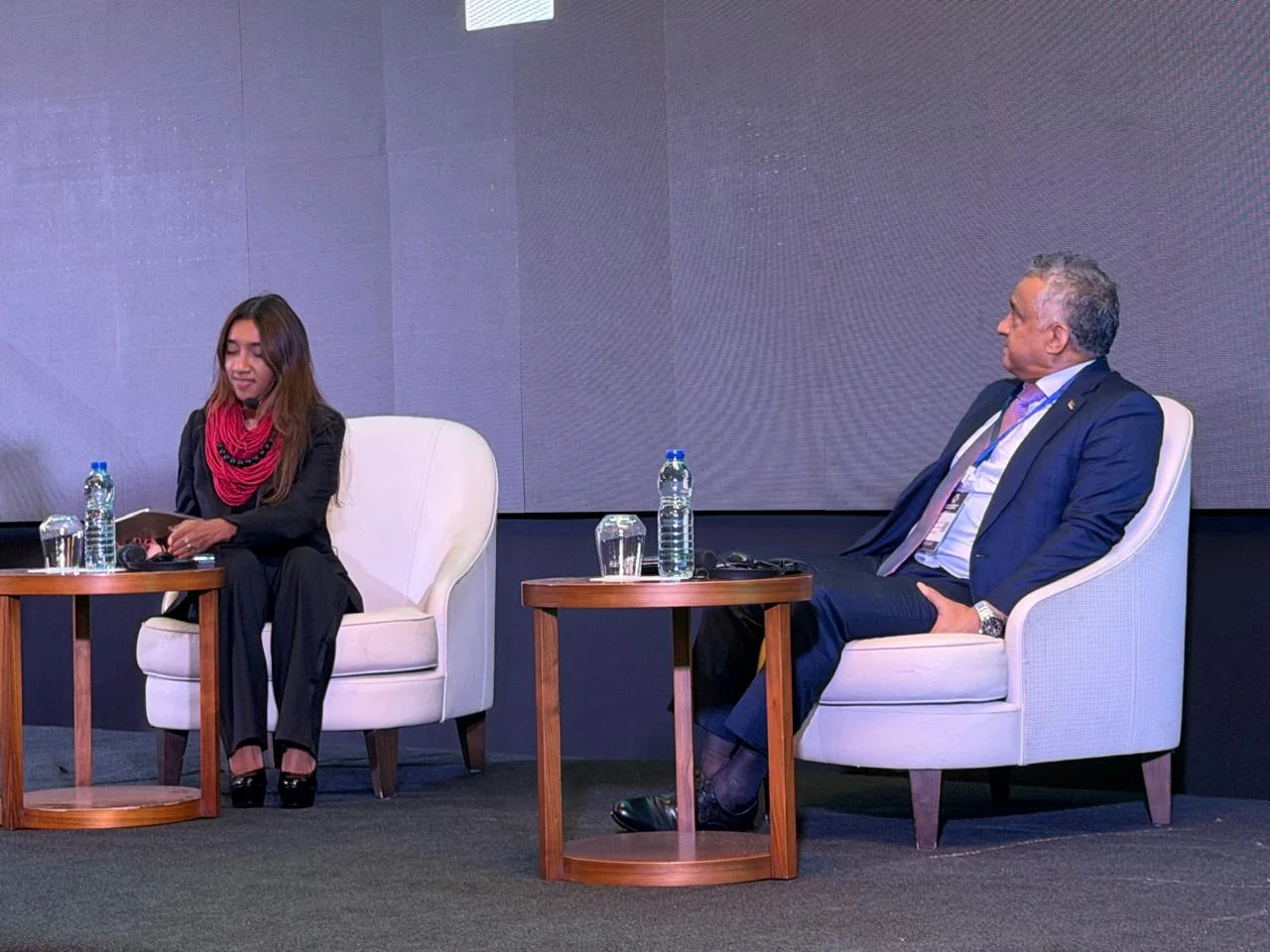
Tax revenues from Mozambique's major liquefied natural gas (LNG) projects are expected to become significant only from 2029 or 2030, according to projections outlined by Minister of Planning and Development Salim Cripton Valá in a document prepared for an interview with Forbes Lusophone Africa, dated October 27, 2026, in Cape Verde.
The minister argues that while major energy investments move forward, Mozambique must strengthen agriculture, industry, tourism and small and medium-sized enterprises (SMEs), reducing its dependence on natural resource exports.
"Gas revenues will finance agriculture, industry, tourism and infrastructure, which are the sectors that create jobs for Mozambicans," reads one of the statements included in the interview preparation document.
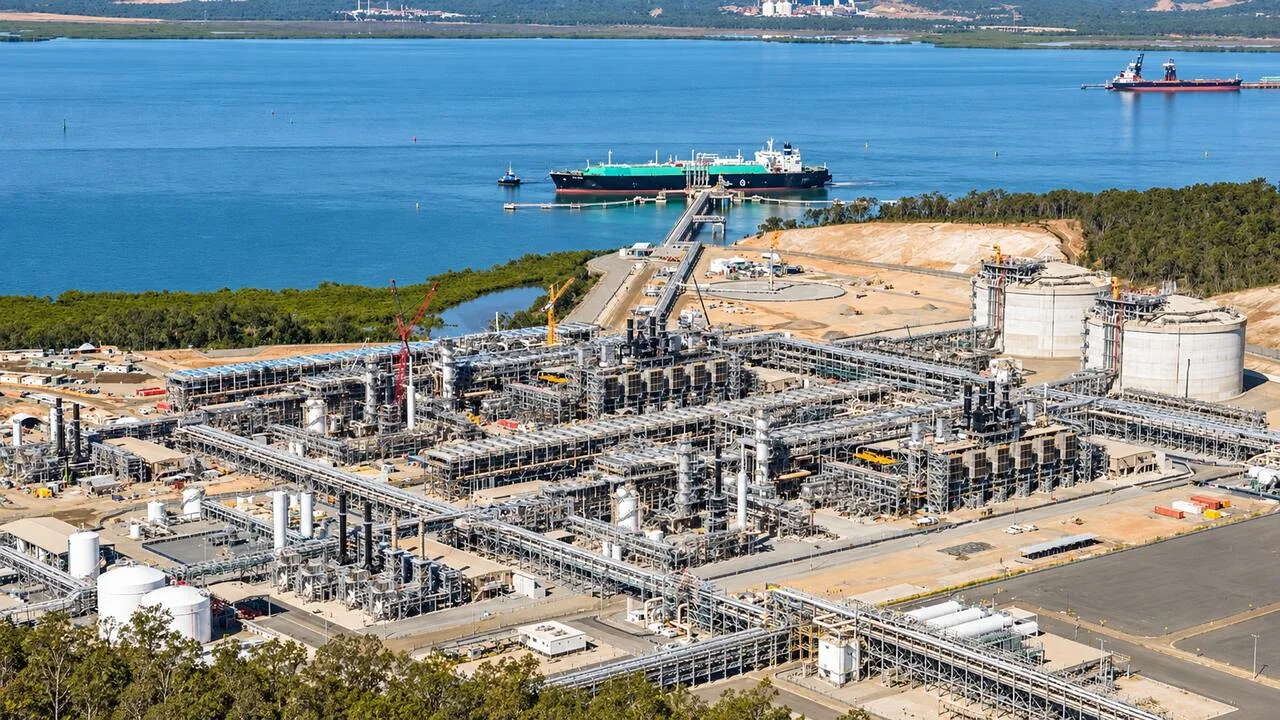
The main natural gas projects in the Rovuma Basin represent an estimated combined investment of approximately $50 billion. These include Coral Sul, which has been producing gas since 2022; Coral Norte, scheduled to begin production in 2028; and Mozambique LNG, led by TotalEnergies, which is estimated to be around 40% complete.
The document also indicates that Mozambique LNG has awarded contracts worth more than $4 billion to local companies, highlighting the potential for Mozambican businesses to benefit from large-scale energy investments.
Despite this potential, Valá warns in the document against repeating the experience of the Mozal aluminium smelter, which operated for 25 years without generating sufficient downstream industrial processing of its output within Mozambique.
The government's strategy is to ensure that natural gas investments create opportunities for local suppliers, promote industrialisation and support job creation.
Mozambique therefore aims to channel future gas revenues into productive sectors, infrastructure development and broader economic transformation, in line with its National Development Strategy 2025–2044.
However, the realisation of these expectations will depend on project implementation schedules and the successful commissioning of new LNG production facilities.