According to information released on Monday, 26 October, by the Mozambique News Agency (AIM), the process involves verifying outstanding amounts and establishing phased payment arrangements, taking into account the Government’s financial capacity.
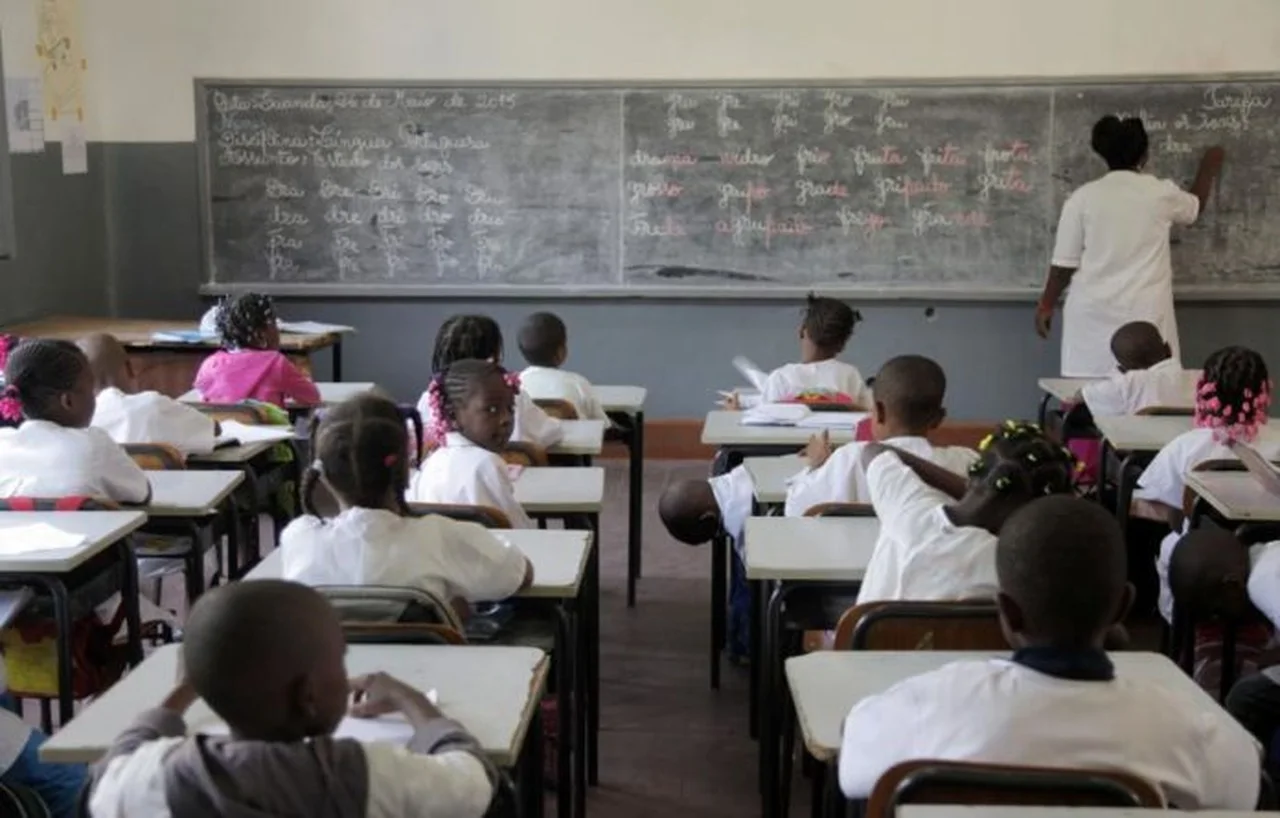
The initiative comes at a time when several financial obligations remain unsettled in the education sector, particularly additional compensation owed to teachers for work carried out in previous years.
According to the Ministry of Education and Culture, phased payments for overtime work performed in 2023 are currently underway, while the verification of outstanding amounts relating to the 2024–2026 period continues.
The settlement of the 2023 arrears remains dependent on the availability of financial resources, and no definitive timetable has been announced for the full payment of the outstanding amounts.
Regarding 2024, 2025 and 2026, the authorities are continuing to verify the amounts claimed, with the aim of determining the financial obligations to be assumed by the State.
In addition to overtime payments, the assessment covers outstanding compensation for teaching additional classes, unpaid salaries, career progression adjustments and other administrative decisions with financial implications for education professionals.
Meanwhile, the two ministries are working to identify funding sources to secure the production and distribution of textbooks required for the 2027 academic year.
The timely availability of these learning materials remains a priority for the Ministry of Education and Culture as the Government seeks to ensure adequate conditions for the start of the next school year.
However, the information released does not specify the amount of funding required to print the textbooks, the number of copies planned or the expected dates for the beginning of production and distribution.
As part of the ongoing discussions, the Minister of Education and Culture, Edson Macuácua, and the Minister of Finance, Carla Louveira, have committed to holding monthly meetings to monitor progress in settling outstanding payments and mobilising financial resources.
These meetings are expected to assess progress, identify potential obstacles and explore solutions to accelerate the fulfilment of the Government’s financial obligations to teachers.
Coordination between the two ministries also includes reviewing amounts already recognised as outstanding, verifying pending claims and establishing payment priorities according to available resources.
Despite the commitments made, the Government has yet to announce an overall timetable for settling outstanding payments to teachers or indicate when the verification of amounts relating to the 2024–2026 period will be completed.
The deadlines for printing and distributing textbooks for the 2027 academic year also remain unclear, with implementation dependent on securing the necessary financial resources.
Settling outstanding payments to teachers and ensuring the availability of school materials for the next academic year therefore remain two of the main financial challenges that the Ministries of Education and Culture and Finance are seeking to address through institutional coordination.