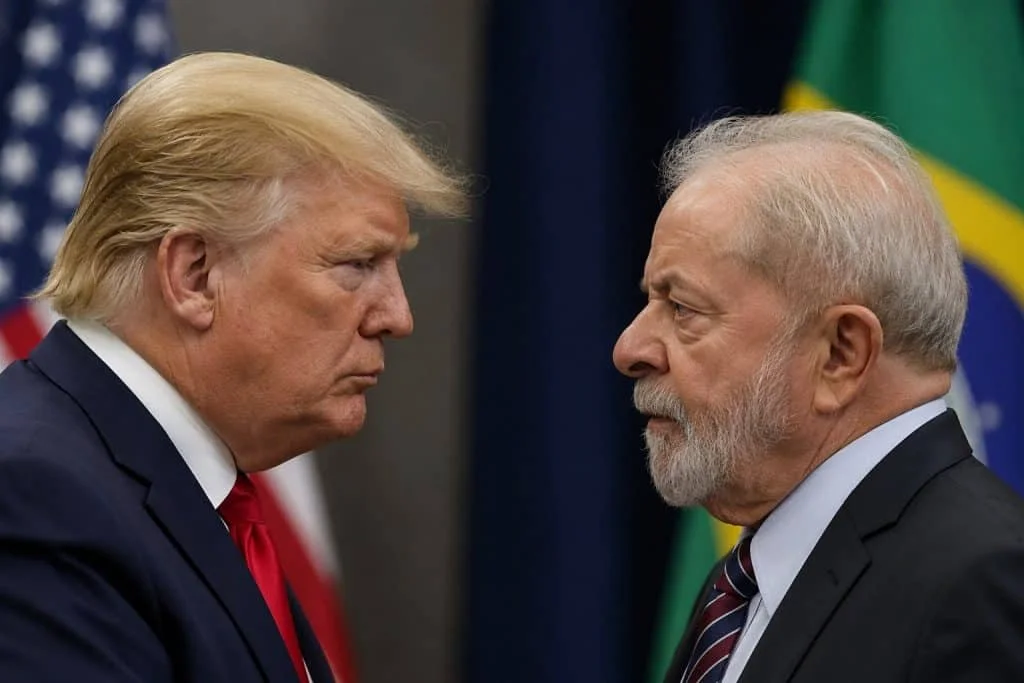
According to electoral results reported by BBC News Brasil, with 96% of ballots counted, Lula had received more than 64 million votes, establishing a lead of over four million votes against Liberal Party (PL) candidate Flávio Bolsonaro.
The victory marks a historic milestone in Brazilian politics, making Lula the first president in the country's democratic history to win re-election twice. It is also the first time a presidential candidate has won the election after finishing second in the first round.
In the first round, held on October 4, Lula trailed Flávio Bolsonaro by approximately 2.2 million votes. However, over the following three weeks, the PT candidate managed to reverse the result, supported by widespread public demonstrations, grassroots mobilisation and an intensive social media campaign.
The digital strategy, largely coordinated by federal deputy André Janones, played a significant role in Lula's electoral recovery. The campaign mobilised millions of supporters, including a WhatsApp community with more than 10 million participants.
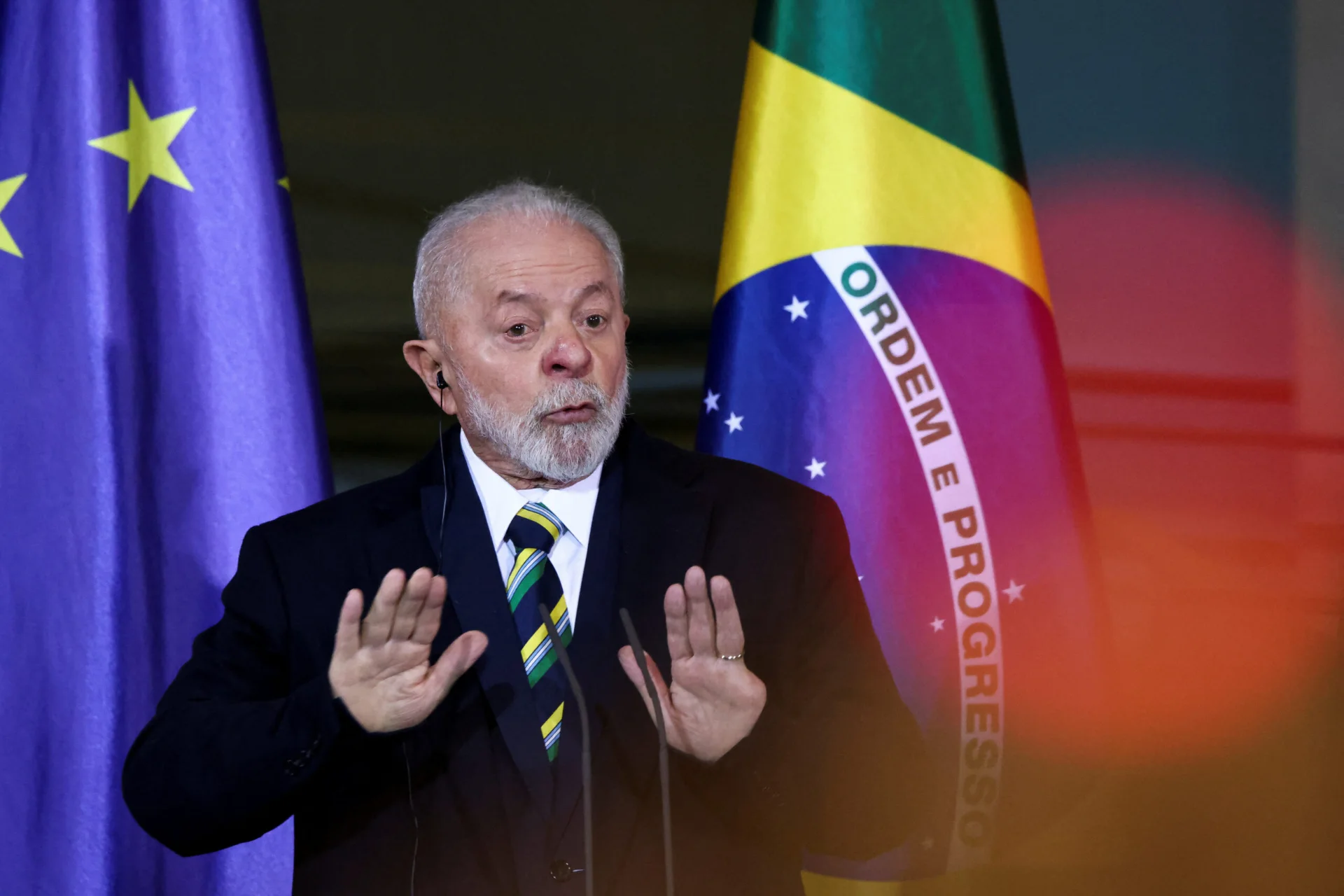
During his victory speech, Lula thanked his supporters and emphasised the need for a new approach to governance, characterised by greater public participation in political decision-making.
"No one is obliged to like the elected president, but he was elected to govern for everyone," Lula declared.
Lula Pledges to Regulate Digital Platforms
One of the central messages of the re-elected President's victory speech concerned the operation of digital platforms and their influence on electoral processes.
Lula defended the need for stronger regulation of major technology companies, accusing some platforms of enabling political interference and failing to contribute fairly through taxation despite generating substantial revenues.
"It was an election in which we had to overcome interference coming from outside the country through digital platforms. And we will have to regulate them," he said.
The President also argued that crimes committed in the digital environment should be treated in the same way as crimes committed in the physical world.
Fourth Term to Be Marked by Economic and Political Challenges
Despite his electoral victory, Lula will face a complex political environment when his next presidential term begins on January 5, 2027.
Brazil's Congress will have a stronger right-wing presence, particularly from the Liberal Party, which secured 121 seats in the Chamber of Deputies and will hold 28 seats in the Senate.
This political configuration could make it more difficult for the Government to pass legislation, forcing the administration to negotiate with different political groups to maintain stability and advance its agenda.
On the economic front, Lula will have to address concerns over public debt, household financial pressures, the cost of living and the need to balance public finances.
According to Brazilian Central Bank figures cited by the BBC, the country's gross public debt reached 11.1 trillion reais in August, equivalent to 82.9% of Gross Domestic Product (GDP).
Pressure on public finances comes amid expectations of slower economic growth in 2027 and increasing demands from financial markets for greater fiscal discipline and sustainable public spending.
Victory Strengthens Lula's Political Legacy
At the age of 80, Lula is preparing to begin another term leading Latin America's largest economy, further consolidating a political career that reached the presidency for the first time following his electoral victory in 2002.
The former trade union leader governed Brazil from 2003 to 2010, returned to the presidency in 2023 and, following his victory on October 25, 2026, has secured another term extending until 2030.
However, his re-election comes at a time of deep political polarisation in Brazil, where a strengthened opposition and persistent economic difficulties could limit his ability to fulfil campaign promises.
How Lula balances fiscal responsibility, social reforms and negotiations with an increasingly conservative Congress will be crucial in determining the direction of Brazilian politics over the next four years.