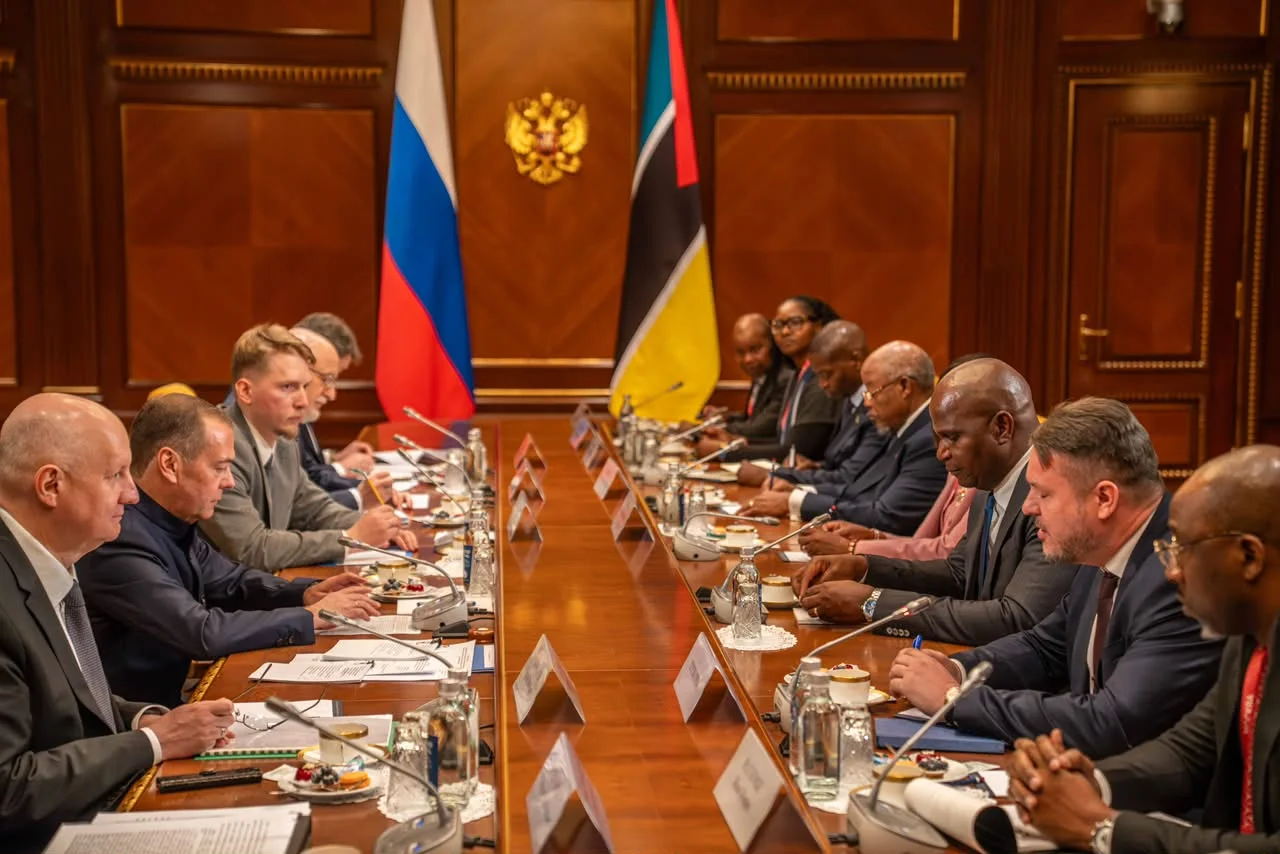
The proposal was presented on Monday, 26 October, during a meeting in Luanda to assess the implementation of the Triennial Agreement on Workers’ Remuneration, signed between the Government and trade union organisations.
Speaking after the meeting, the Minister of Public Administration, Labour and Social Security, Teresa Dias, explained that the Government had proposed a 10% pay rise while also announcing the introduction of health insurance for public sector employees, starting in January 2027.
According to the minister, the health insurance scheme will be implemented through the Public Service Provident Fund, a previously inactive institution that is expected to receive funding from the State Budget. Priority will be given to employees who currently have no health insurance coverage.
Teresa Dias said union representatives welcomed the health insurance initiative but expressed reservations about the proposed salary adjustment.
She explained that trade unions would consult their internal governing bodies before presenting a final position, while urging the Government to make an additional effort to improve the offer.
The minister also stated that approximately 80% of the Triennial Agreement had been implemented, although several measures remained outstanding. She emphasised the Government's commitment to ensuring the financial sustainability of its decisions and avoiding measures that could undermine public finances.
Meanwhile, Francisco Jacinto, Secretary-General of the General Confederation of Independent and Free Trade Unions of Angola (CG-SILA), argued that the proposal fell significantly short of workers' expectations and the commitments made in 2024.
The union leader recalled that the Government had granted a 25% salary increase in 2025, followed by a further 10% in 2026, stressing that these adjustments remained insufficient to meet the agreed target.
“There is also another issue: the commitment was 100%. If they gave 25%, plus another 10%, that makes 35%. The Government says it exceeds 40%, but that is not true,” Jacinto said.
He added that even under the Government's calculations, a substantial gap remained between the increases already granted and the original commitment.
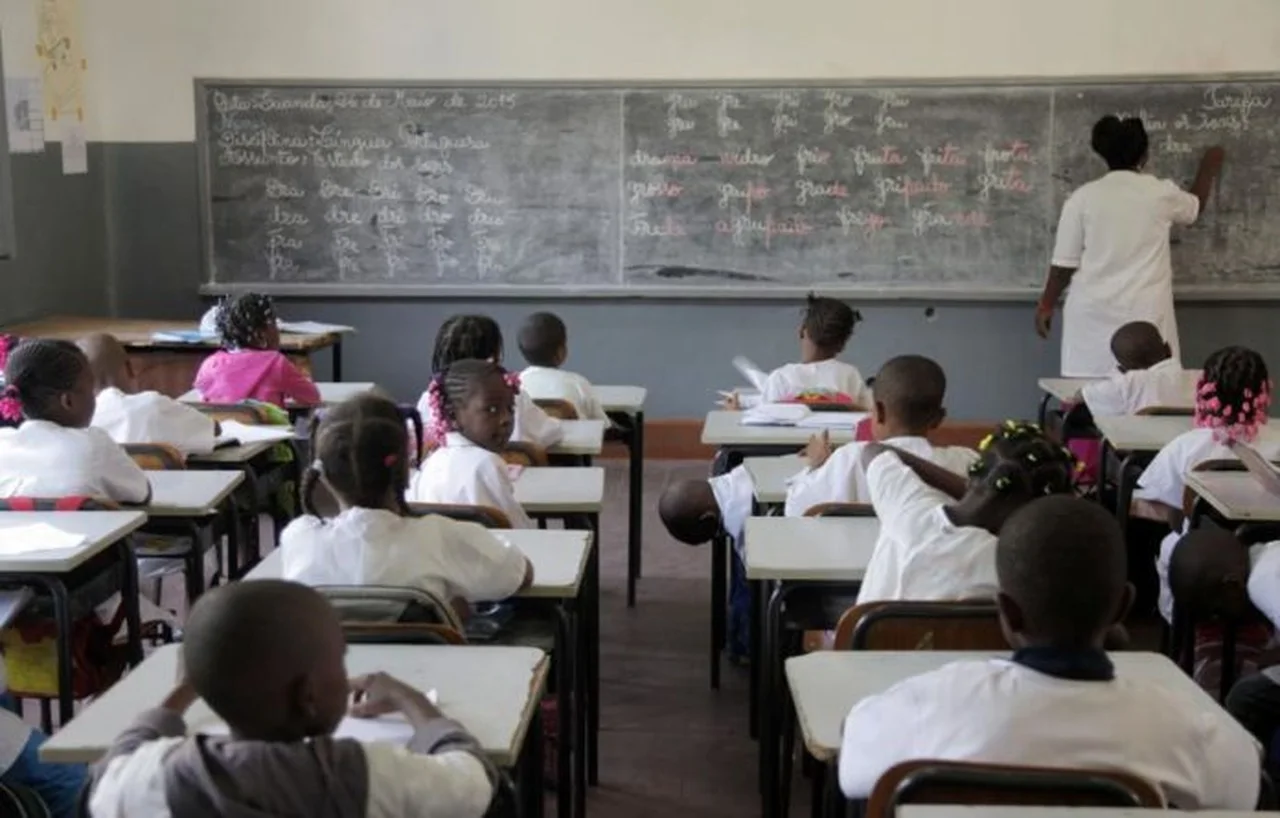
Jacinto also recalled that unions accepted the 10% increase in 2026 after the Government raised concerns regarding the reclassification of more than 70,000 public sector employees.
According to the union representative, more than 5,000 workers are unable to retire under appropriate conditions because their professional classifications have not been updated, potentially affecting the value of their pensions.
However, the union leader argued that the explanations presented by the Government no longer justified such a limited salary adjustment for 2027.
“We consider it far below what is still needed to fulfil the 100% commitment. It remains very far from that target. Even under a possible renegotiation, I believe 10% is far below what we expected,” Jacinto stated.
Despite their criticism, the trade unions have not formally rejected the proposal. It will first be submitted to their members for consideration before union representatives communicate their official position to the Government.
The disagreement leaves negotiations over public sector salaries unresolved, with trade unions insisting on the fulfilment of previous commitments while the Government stresses the need to maintain fiscal sustainability.