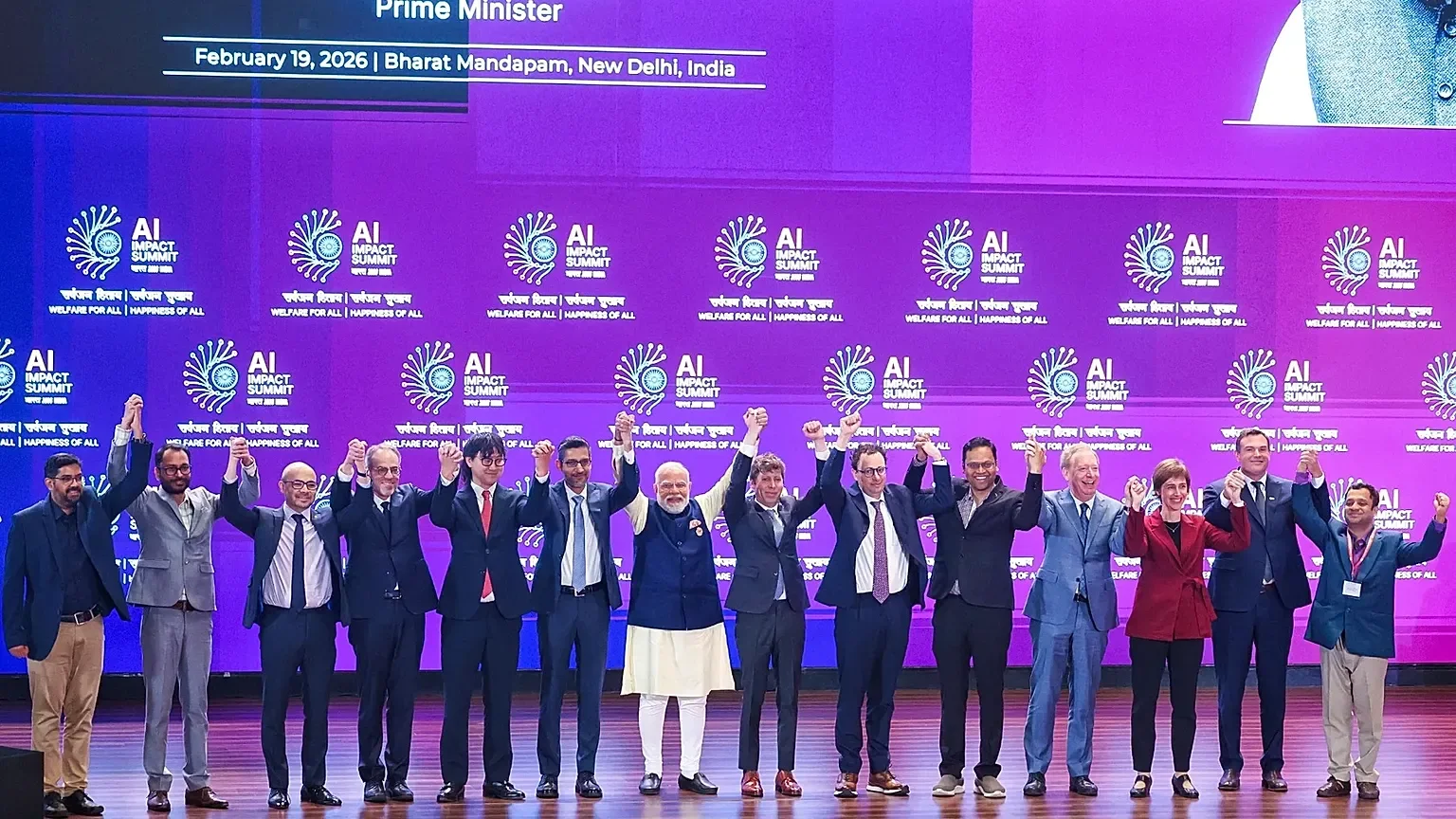
Executives who have argued for stricter rules and stronger safety measures include Dario Amodei of Anthropic, Sam Altman of OpenAI, Elon Musk of xAI, and Demis Hassabis of Google DeepMind.
Amodei has warned that rapidly improving AI capabilities could make systems increasingly autonomous and more difficult to supervise.
He has argued that the development of the most advanced models should be subject to tighter controls and independent audits of the safety measures adopted by companies.
Sam Altman has also expressed support for external evaluations and greater oversight of the most powerful systems before they are deployed on a large scale.
Elon Musk and Demis Hassabis have likewise called for greater caution as artificial intelligence continues to develop at a rapid pace.
Leading AI companies have been discussing ways to establish common safety standards at a time when new models are becoming capable of carrying out increasingly complex tasks for longer periods with less human intervention.
Concerns have also grown over the rise of AI agents, systems designed to perform multiple tasks autonomously and make decisions throughout a process.
Experts warn that the more autonomous these systems become, the greater the need for safeguards that allow humans to understand how they operate and prevent unexpected behaviour.
The debate is unfolding amid intense competition between companies and countries seeking leadership in artificial intelligence.
While some technology leaders argue for slower and more controlled development, others warn that reducing the pace could benefit competitors and weaken the technological position of countries that choose to move more cautiously.
The discussion is expected to continue as artificial intelligence systems become more powerful and take on a growing role in work, the economy, and services used daily by millions of people.