Nigeria Bans Official Visits to South Africa After Attacks on Immigrants

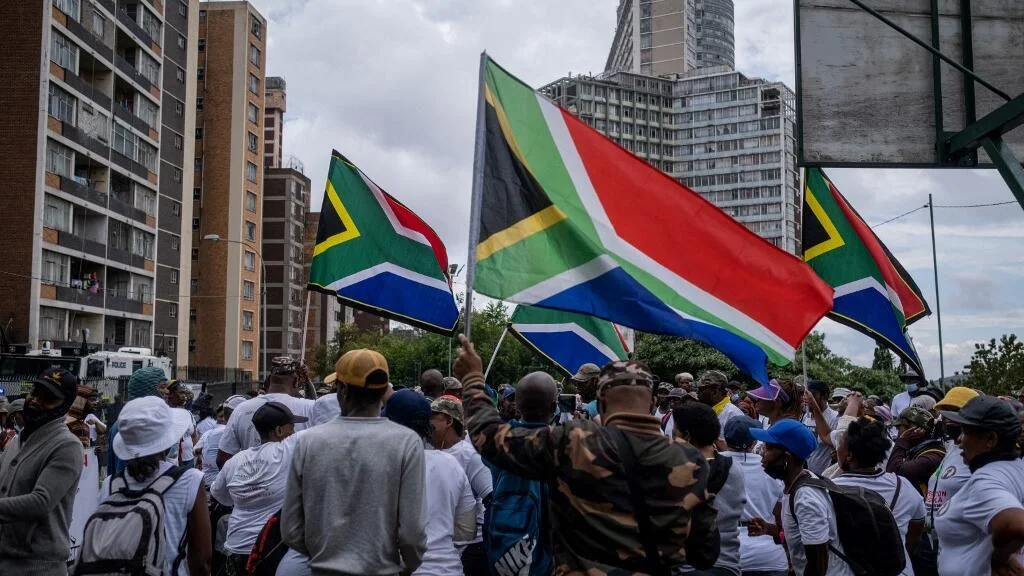
Nigeria’s National Assembly has banned all official visits by Nigerian representatives to South Africa in response to continuing violence against immigrants in the country.
Add BNEWS to your preferred sources.

Nigeria’s National Assembly has banned all official visits by Nigerian representatives to South Africa in response to continuing violence against immigrants in the country.
The decision also covers official interactions conducted through digital platforms and follows reports of attacks on Nigerian citizens living in South Africa.
According to Nigerian authorities, several citizens have reportedly been killed, injured, displaced or forced to abandon their businesses as a result of the violence.
Nigeria says South Africa has not done enough to prevent and combat attacks against foreign nationals.
Tensions have increased in recent days, particularly in Durban, where protesters reportedly entered a camp housing Congolese nationals, leading to violent clashes.
South Africa has for many years attracted immigrants from across the African continent, but the country has also experienced recurring incidents of violence targeting foreigners.
High unemployment, pressure on public services and high crime levels have contributed to growing social tensions.
In several cases, immigrants have been blamed for economic and social problems, although analysts also point to structural challenges and governance failures as major contributing factors.
Nigeria has been pressing South African authorities to strengthen protection for foreign nationals and take tougher action against xenophobic violence.
With the new decision, Abuja is increasing diplomatic pressure on Pretoria and signalling that further measures could follow if the attacks continue.

Five Premier League clubs are interested in signing Mozambican international Geny Catamo and are monitoring his situation at Sporting, with a possible move in the January transfer window.

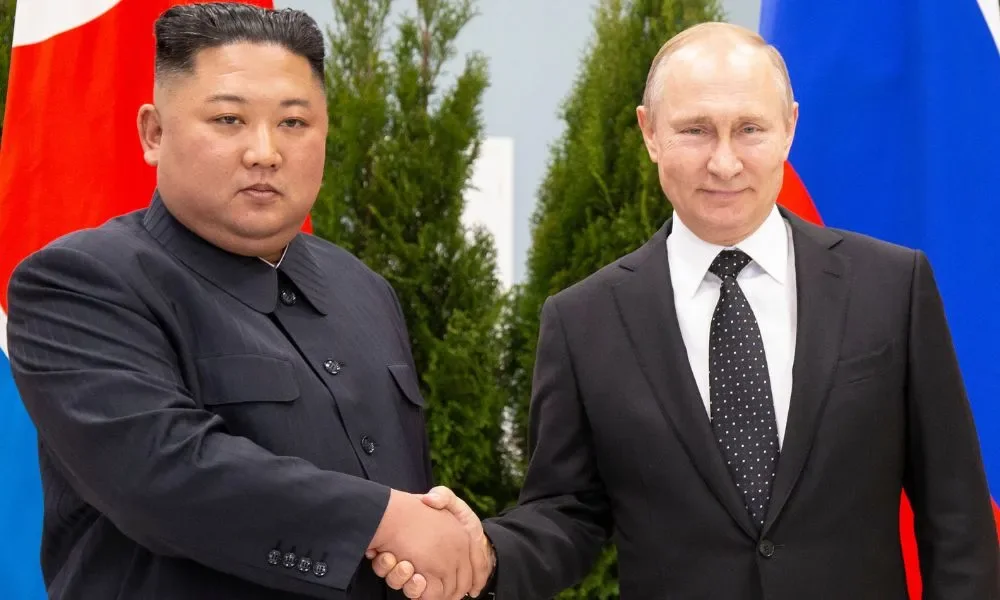
North Korean leader Kim Jong-un has reaffirmed his country’s support for Russia in the war against Ukraine and expressed his intention to deepen cooperation with Moscow.

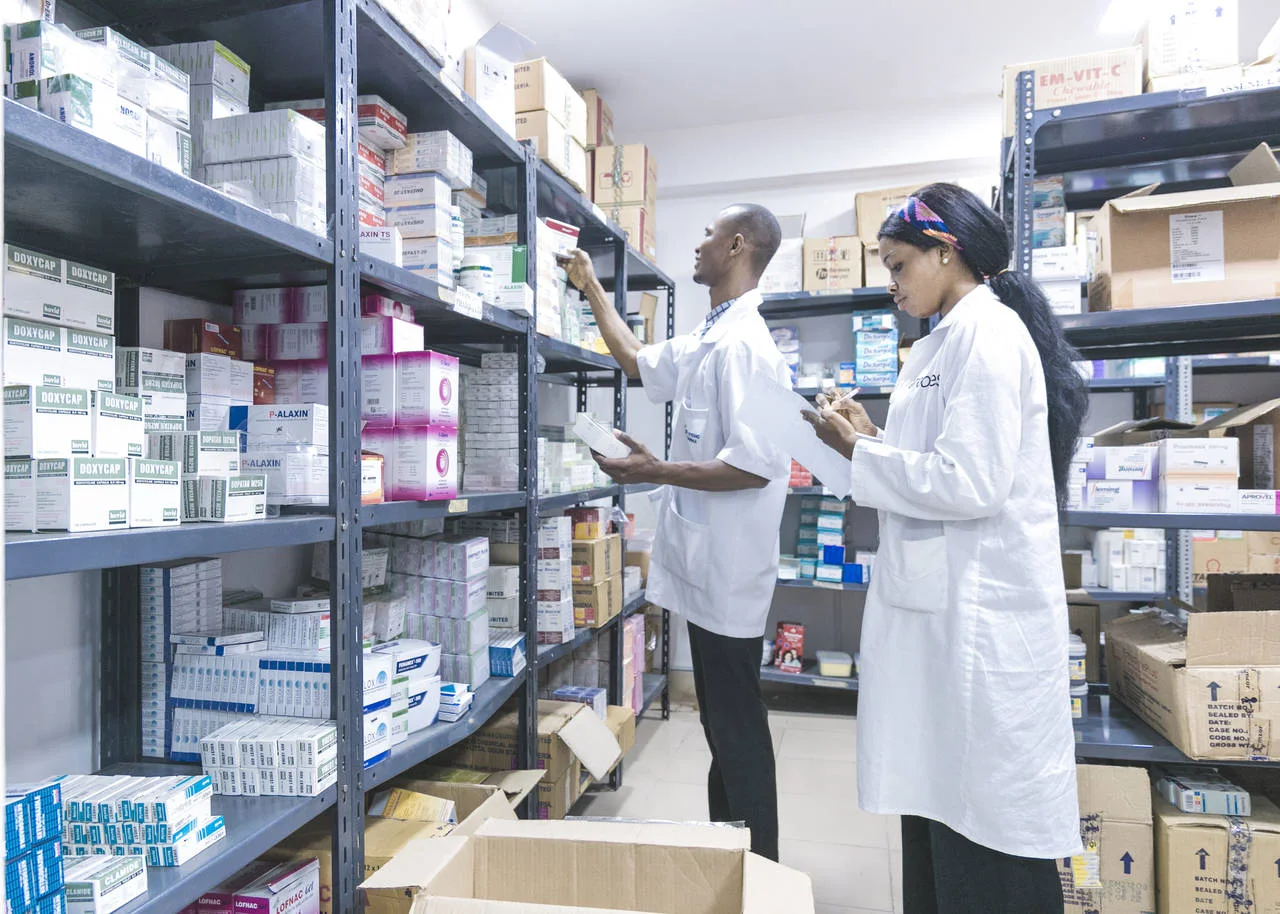
Mozambique’s Ministry of Health (MISAU) has introduced a traceability seal for medicines and medical supplies distributed through the National Health Service (SNS), in a move aimed at strengthening control and preventing theft and diversion.

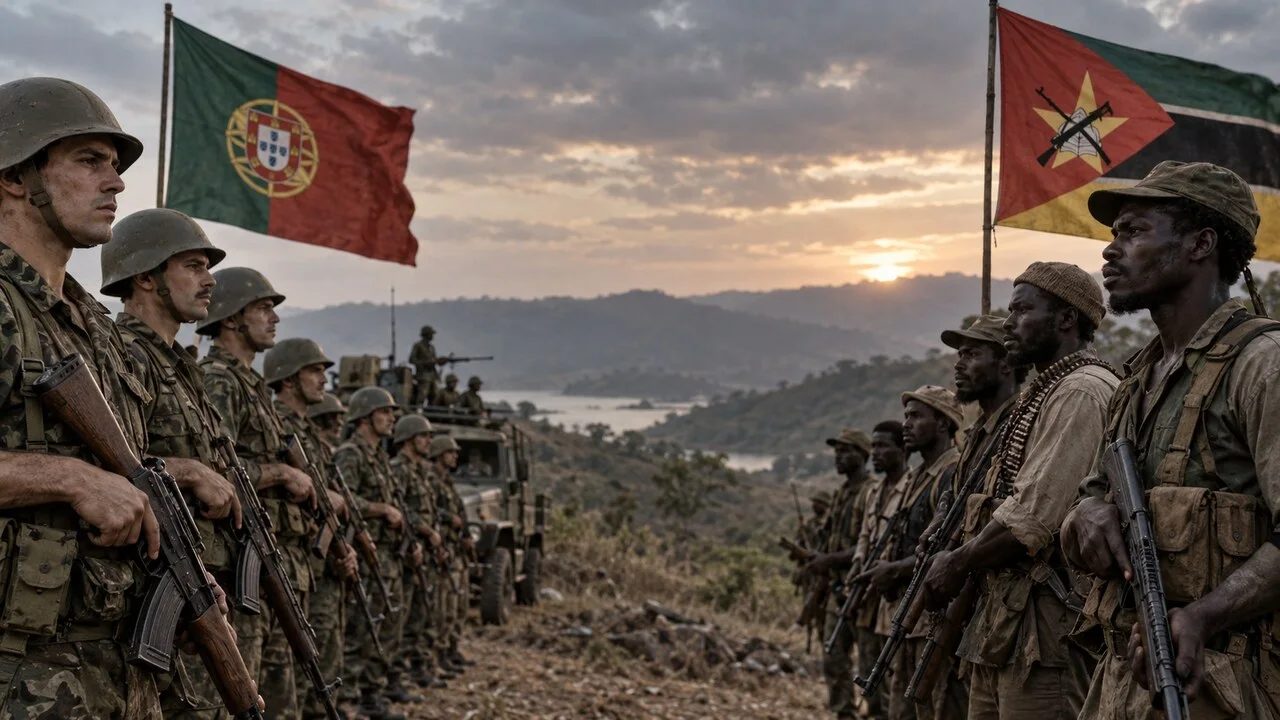
Mozambique has requested access to military archives held in Portugal to deepen research into the country’s national liberation struggle and complete historical records related to Mozambican combatants.

ANAMOLA has appointed James Njiji as interim secretary-general, replacing Messias Uarreno, who was removed from the position after about a year in office.

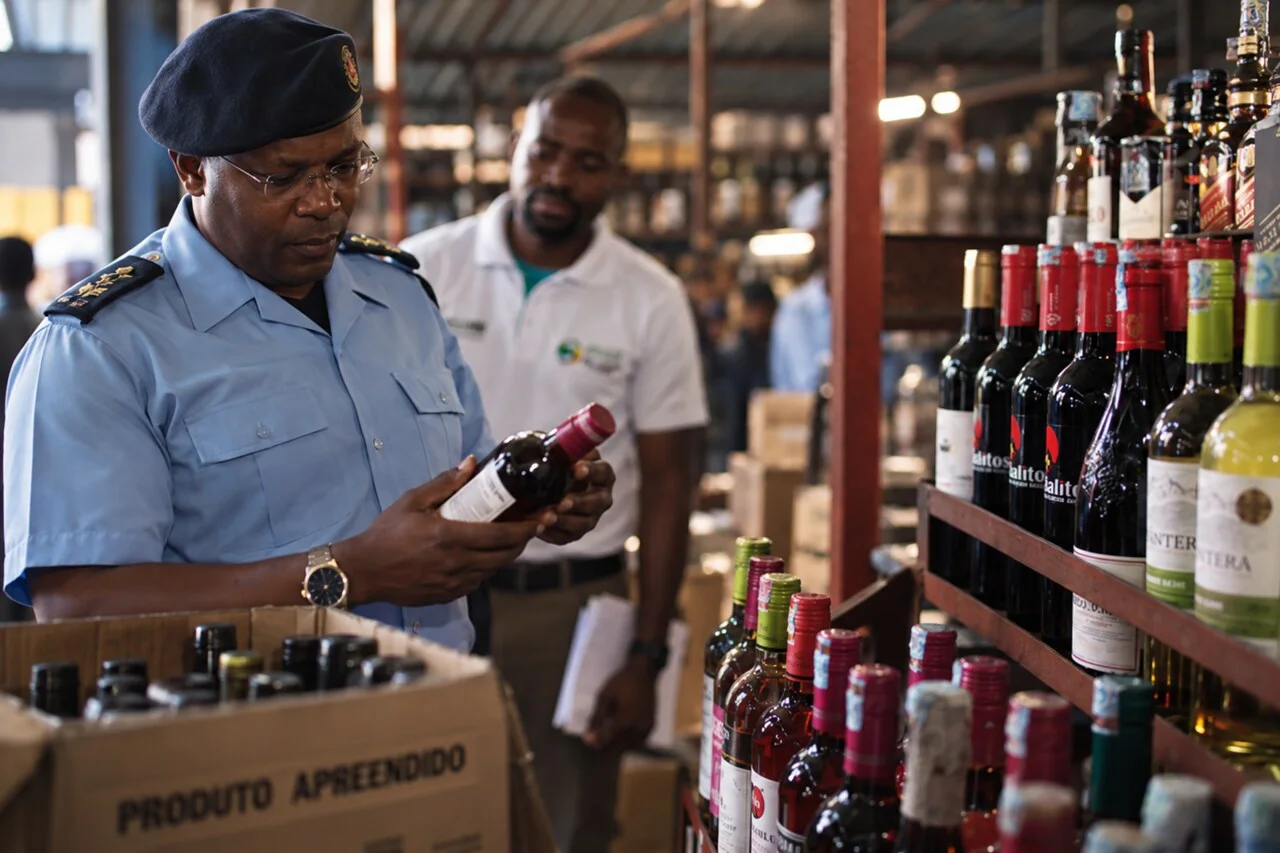
Authorities have seized 17,279 units of alcoholic beverages valued at around 1.3 million meticais during an inspection operation carried out in Matola, Maputo Province.

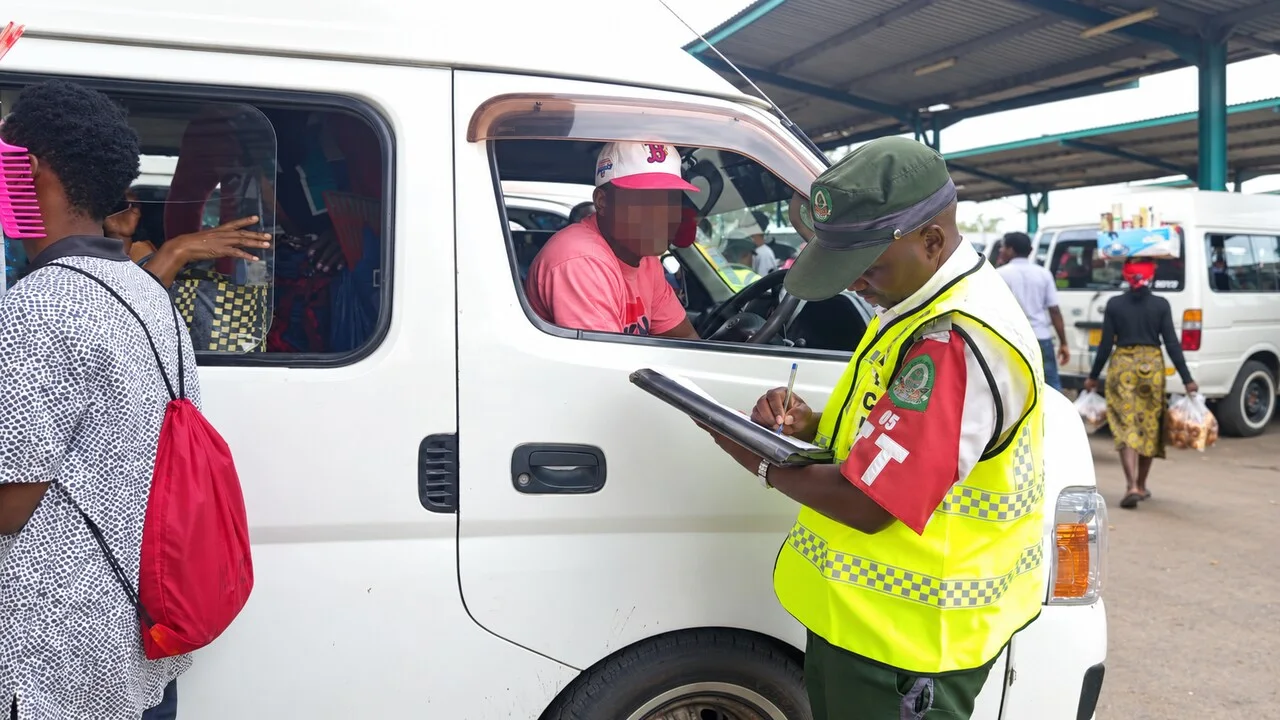
Public minibus operators in Maputo City will be required to use standardised route identification signs, in a move aimed at improving monitoring and making it easier for passengers to identify and report irregularities.

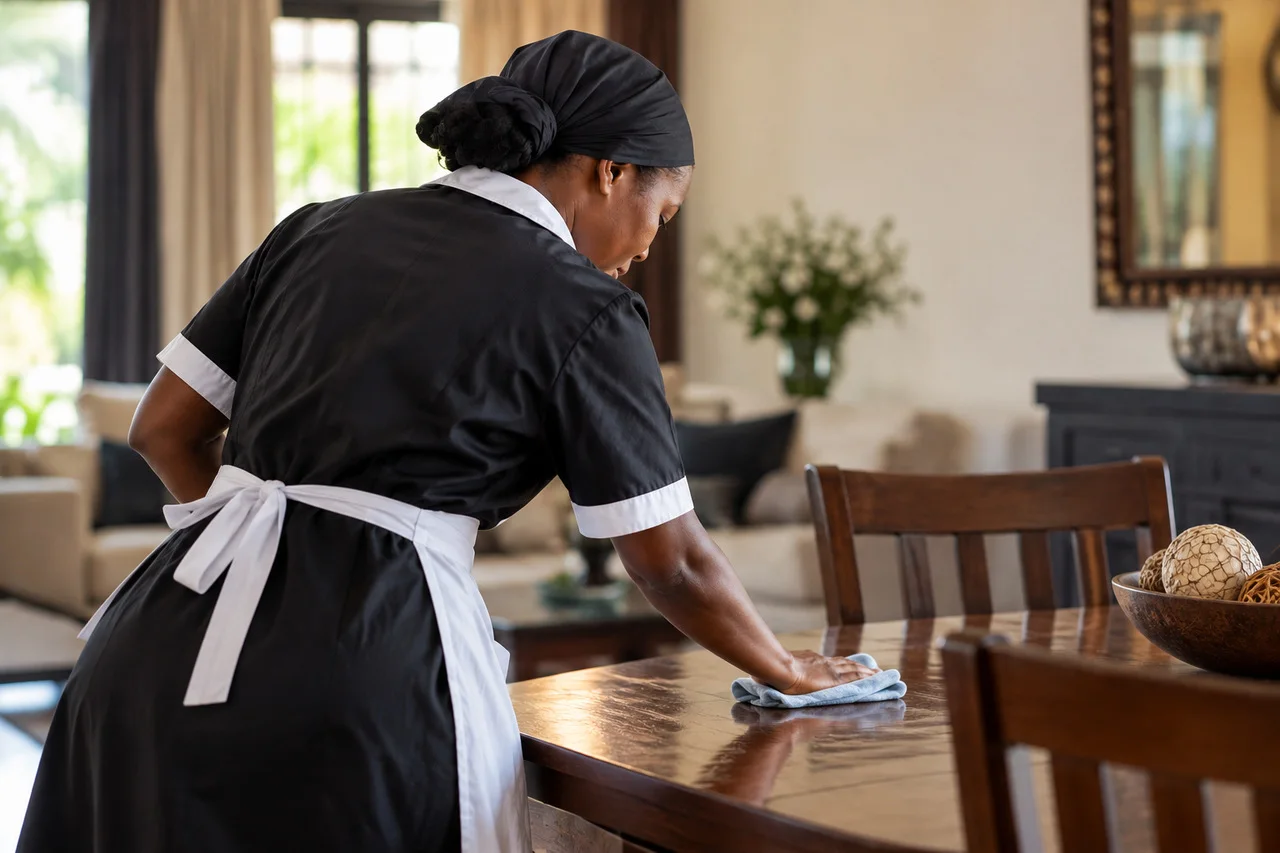
Domestic workers in Mozambique are set to benefit from new labour protections, including written employment contracts, mandatory registration with the Social Security system, paid leave and stronger safeguards against harassment.

Carregando mais actualizações