

US Steps Up Pressure on Russia With New Sanctions
By Hemerson Chiziane 2 min
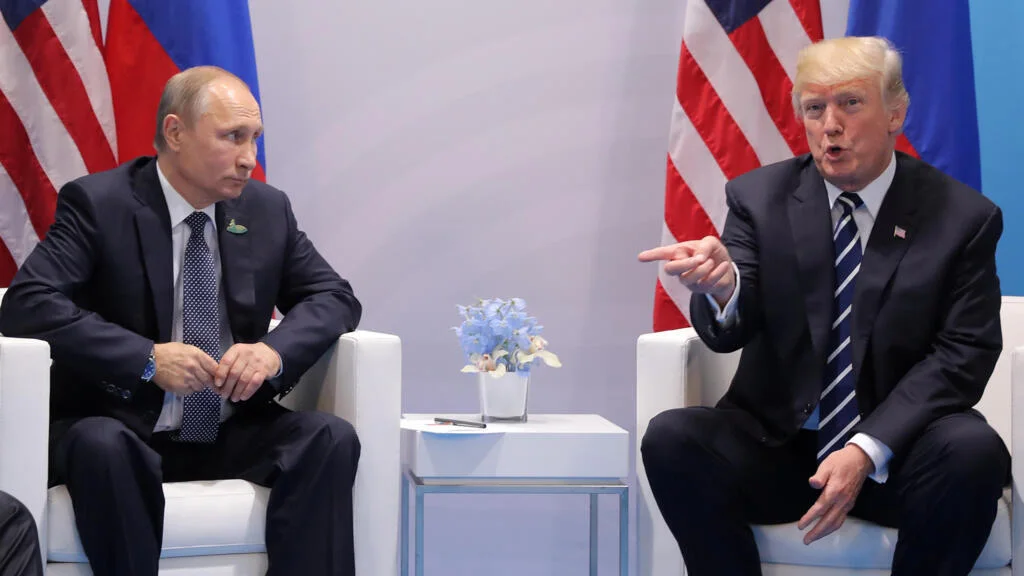
The US House of Representatives has approved a broad new package of sanctions aimed at increasing economic pressure on Russia over the war in Ukraine.
Add BNEWS to your preferred sources.
The US House of Representatives has approved a broad new package of sanctions aimed at increasing economic pressure on Russia over the war in Ukraine.
The bill was approved by 262 votes to 159 and now heads to US President Donald Trump for signature. The Senate had already approved the proposal last month by 86 votes to 11.
The measures target Russian officials, banks and financial institutions, as well as sectors considered important to the country’s economy, including energy and defence.
The package also seeks to target Russia’s so-called “shadow fleet”, made up of vessels used to transport oil and bypass some of the international sanctions imposed on Moscow.
One of the most significant provisions allows Donald Trump to impose tariffs of up to 100% on major countries that continue to buy large quantities of Russian oil or natural gas.
China and India are among the countries particularly affected by the measure because of the volume of Russian energy they import. Supporters of the legislation say the goal is to reduce Moscow’s revenue from oil and gas sales, which remain an important source of income for the Russian economy during the war.
The bill, however, provides exemptions for certain countries, including those that have significantly reduced their dependence on Russian energy.
The legislation received support from both Republicans and Democrats, but it also triggered disagreements in Congress. Some Democratic lawmakers expressed concern over the additional powers granted to Trump to impose tariffs, warning that the measures could also affect US partners and allies.
Other members of Congress argued that increasing economic pressure on Moscow could help push the Russian Government towards negotiations to end the war.
Ukrainian President Volodymyr Zelensky had publicly called for the package to be approved, arguing that stronger sanctions were important to reduce Russia’s financial capacity to sustain its military operations in Ukraine.
The package was named after the late Republican Senator Lindsey Graham of South Carolina, who spent more than a year working to build political support for the initiative.
The approval represents one of the most significant measures adopted by the US Congress in recent years to increase economic pressure on Moscow since Russia launched its full-scale invasion of Ukraine in February 2022.
With approval from both the House of Representatives and the Senate, the package now requires Donald Trump’s signature before it can take effect.
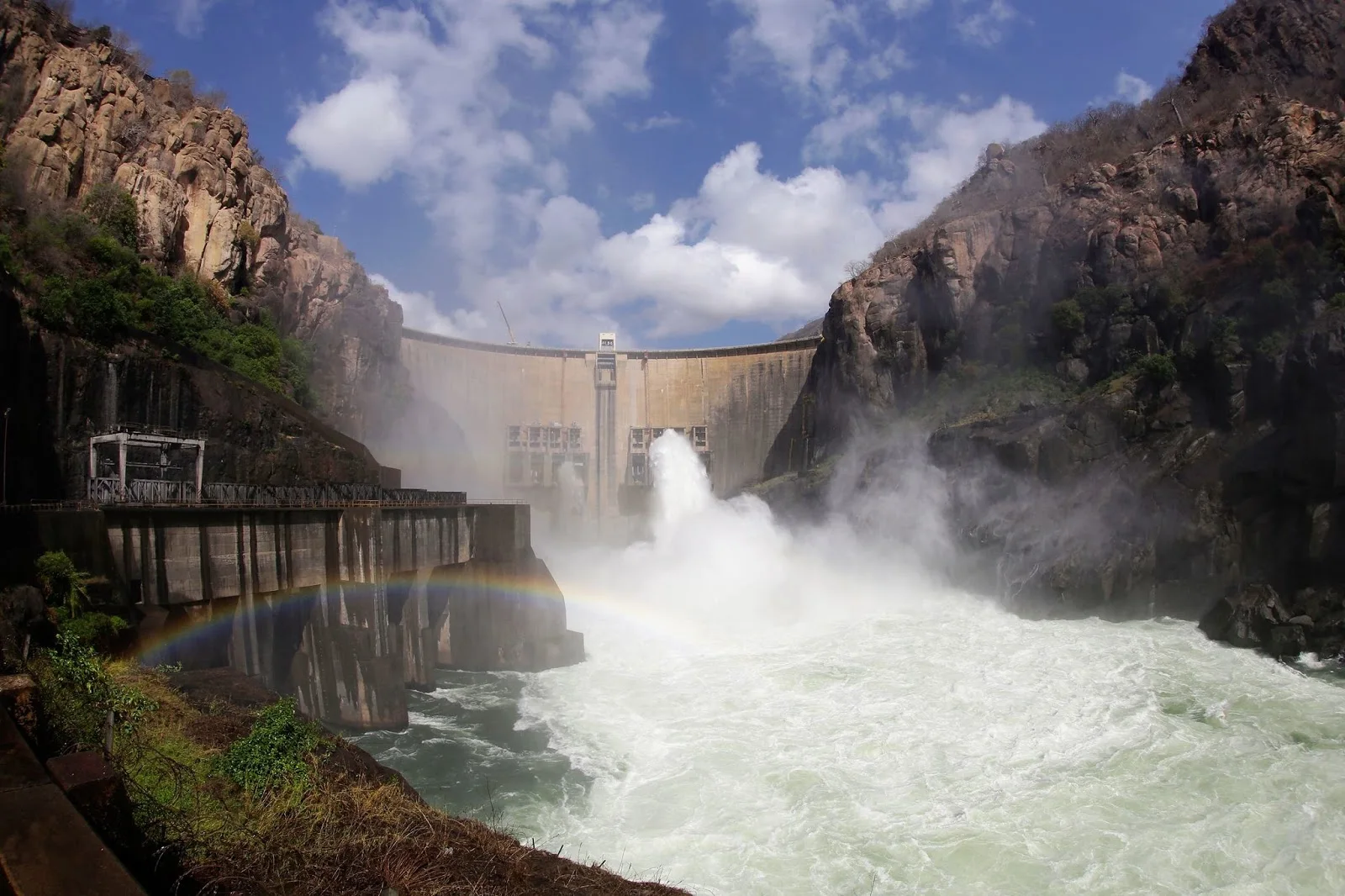
Hidroeléctrica de Cahora Bassa (HCB) will open the dam’s mid-level spillway on Sunday, 20 September, to ensure the continued flow of the Zambezi River during a scheduled maintenance shutdown.
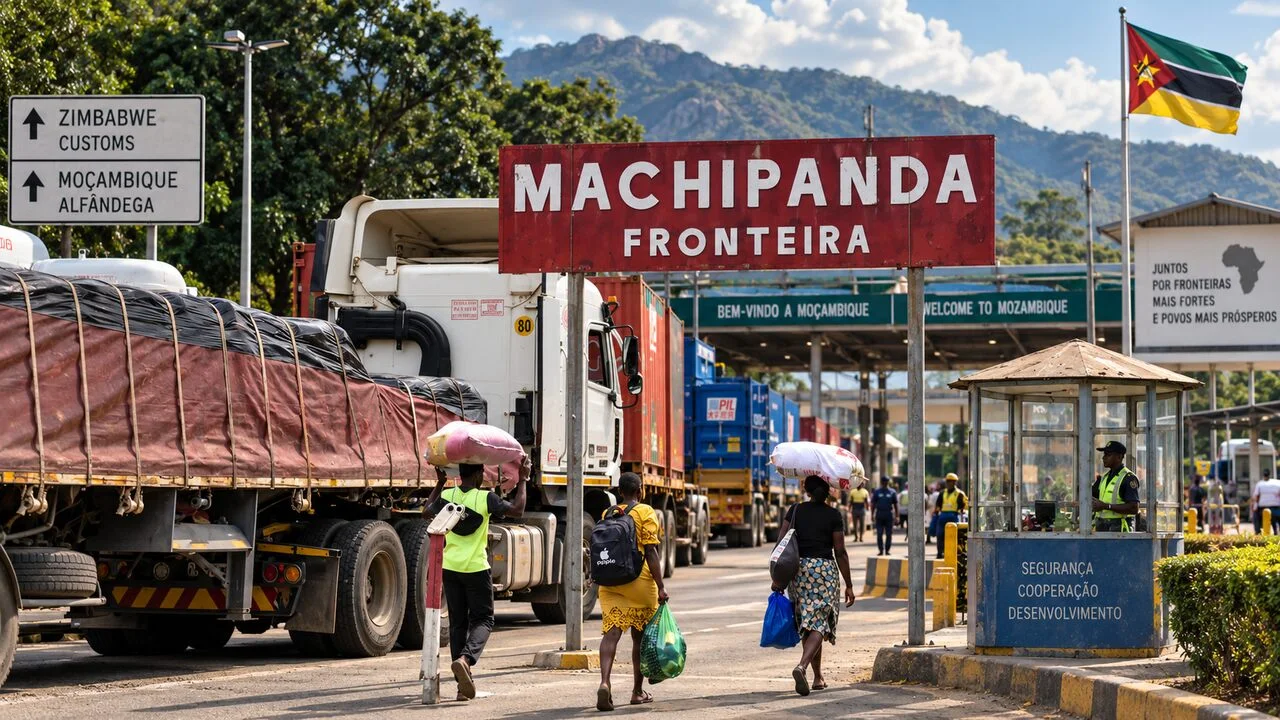
A Chinese consortium will manage the Machipanda One-Stop Border Post in Manica Province for 25 years under a concession that includes an investment of around USD 30 million to modernise and expand one of the main land crossings between Mozambique and Zimbabwe.
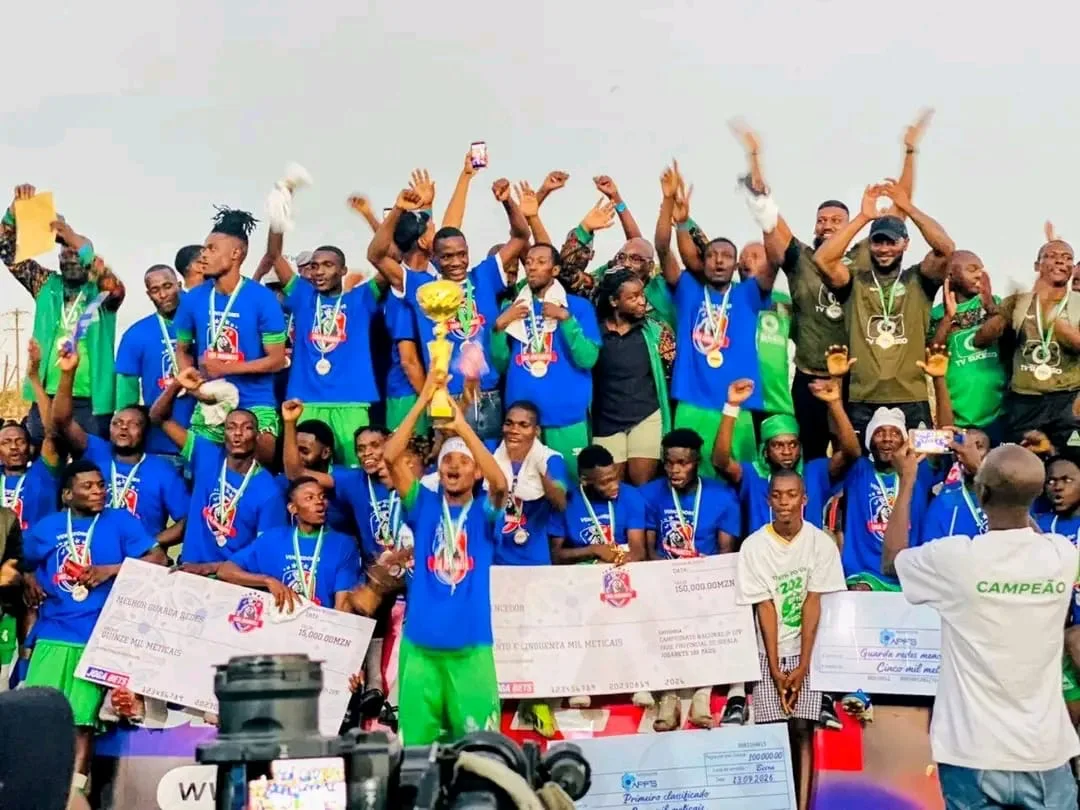
The clubs set to compete in the qualification play-offs for the 2026 Moçambola have learned their opponents following the draw that determined the groups across Mozambique’s Southern, Central and Northern zones.
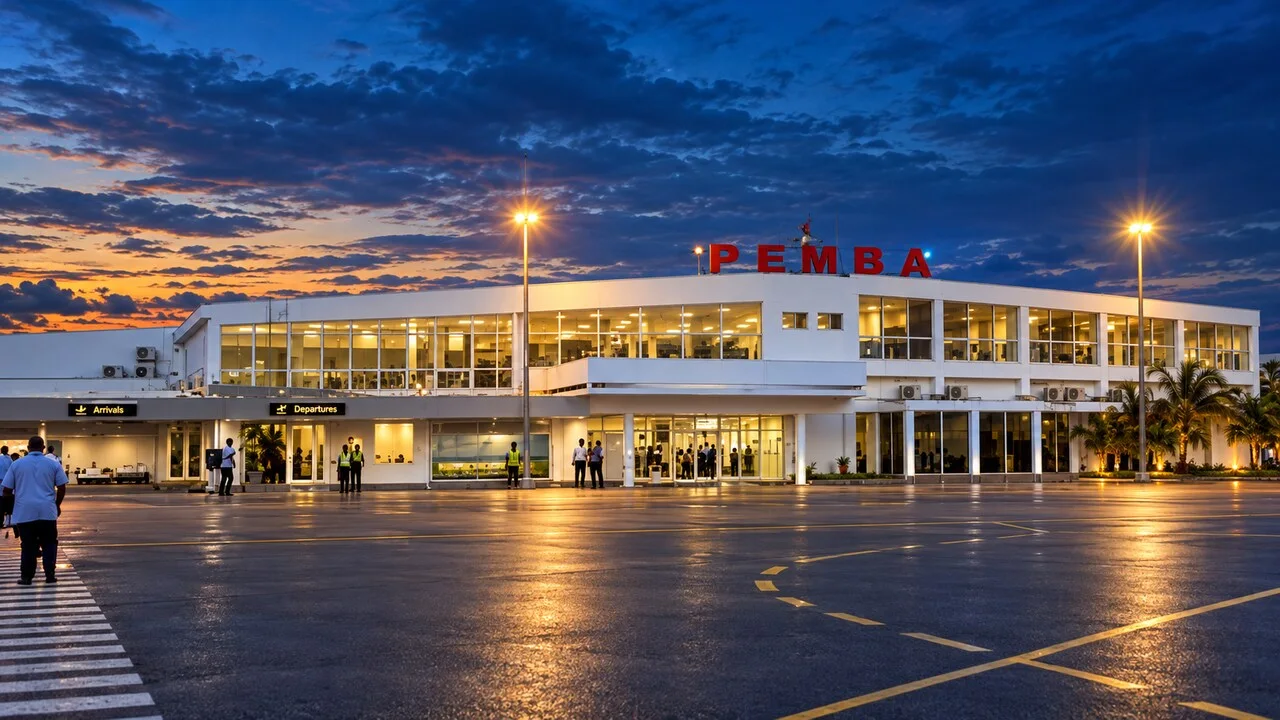
The Mozambican Government has upgraded Pemba Airport, in Cabo Delgado Province, and Vilankulo Airport, in Inhambane Province, to the status of international airports as part of a new reorganisation of the country’s airport network.
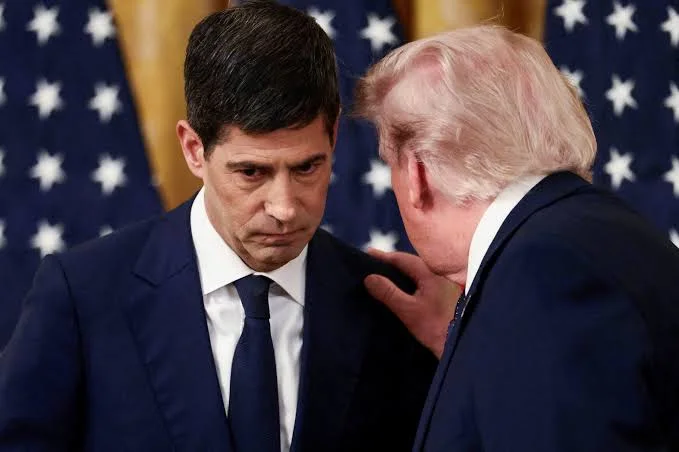
The US Federal Reserve has raised interest rates for the first time in more than three years in an effort to contain inflation and slow the rise in prices.
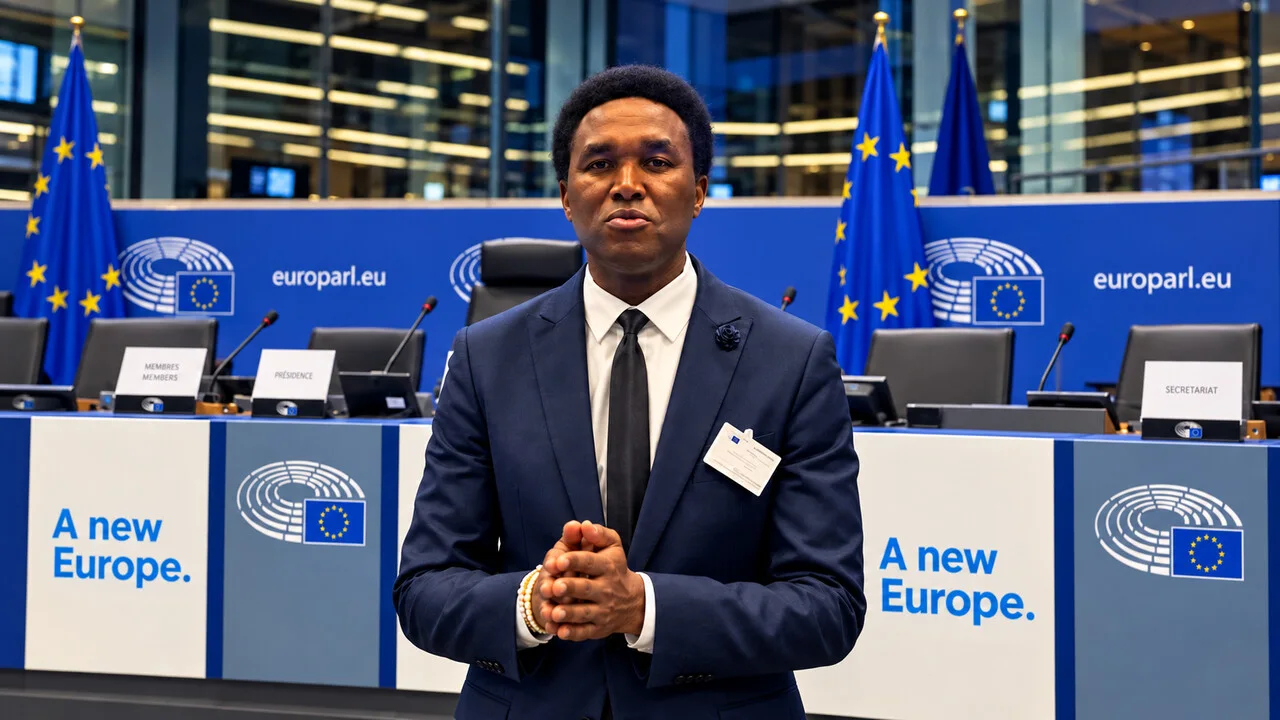
Venâncio Mondlane, president of the National Alliance for a Free and Autonomous Mozambique (ANAMOLA), has taken his concerns over Mozambique’s political situation to Europe as part of a series of meetings with Members of the European Parliament and other European political figures.
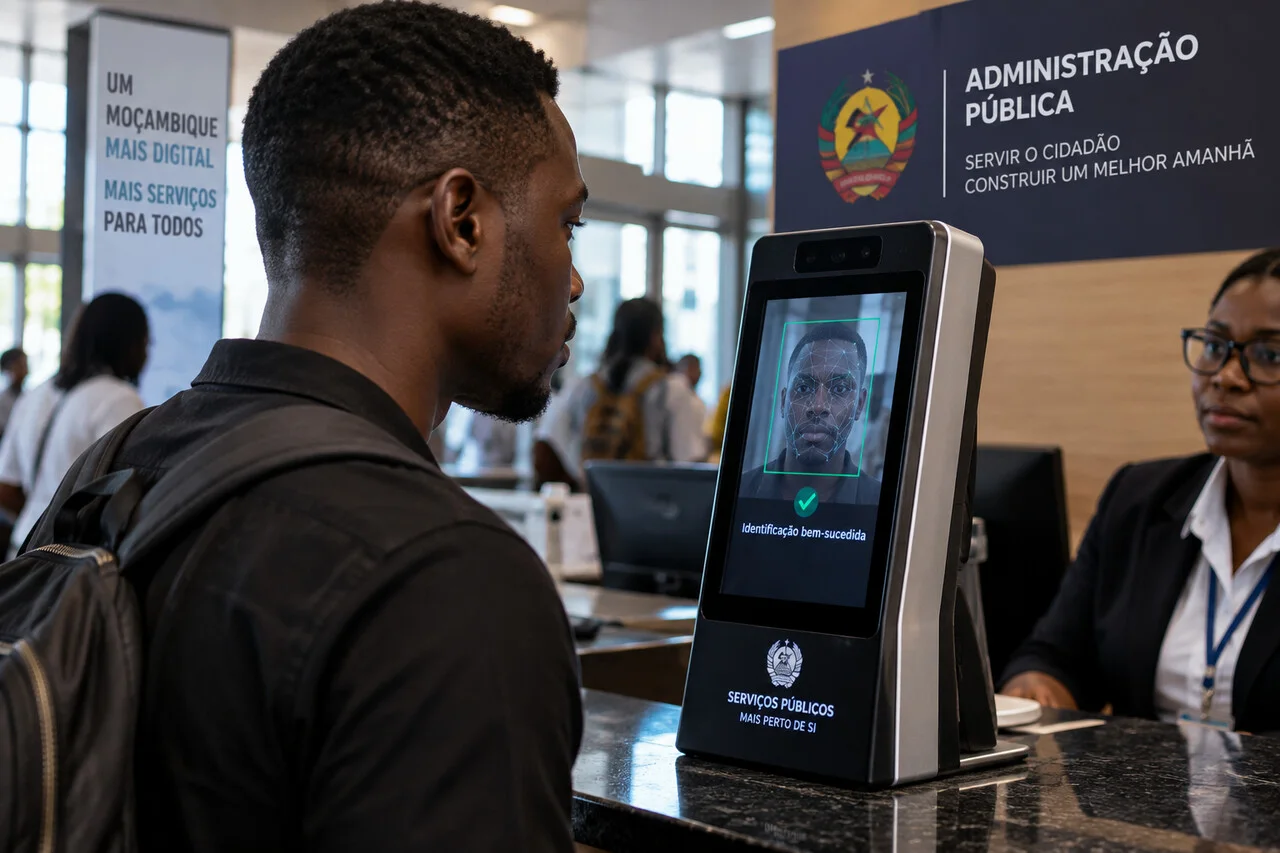
The Mozambican Government is preparing to introduce facial recognition, biometric technologies and integrated data systems in public administration as part of a partnership with Brazil aimed at accelerating the digitalisation of state services.
Maputo Municipal Council has approved new regulations governing the establishment and concession of small businesses, infrastructure and tourism ventures along the capital’s coastline and beaches.