

Nigeria: Adulterated Drink Tragedy Leaves 48 Dead
By Délio Timane 2 min
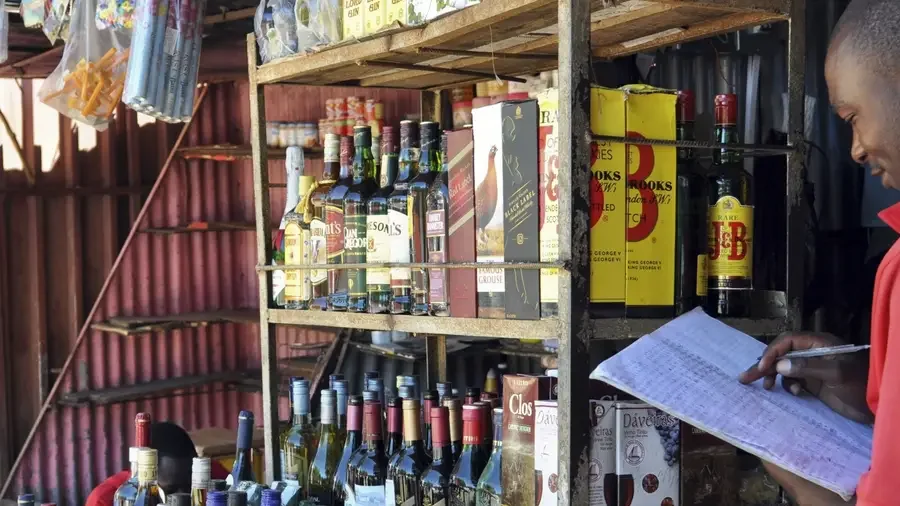
At least 48 people have died and around 100 others are receiving treatment in Ondo State, southern Nigeria, after consuming a drink suspected of containing methanol.
See more BNEWS on Google
At least 48 people have died and around 100 others are receiving treatment in Ondo State, southern Nigeria, after consuming a drink suspected of containing methanol.
According to authorities, the cases were mainly recorded in the Odigbo and Irele areas, where an estimated 182 people have been affected.
Ondo State Health Commissioner Banji Ajaka said the effects appeared rapidly in many of the victims.
According to the official, consuming the drink can cause kidney failure, loss of vision and brain damage, depending on the amount consumed.
Some patients have already been discharged, while dozens remain under medical care.
Police said 15 people have been arrested in connection with the incident.
Among those detained is a person believed to have produced the suspected drinks and who is reportedly cooperating with investigators.
Authorities are still working to determine the exact composition of the beverage and how it was produced and distributed.
According to local media, the first death linked to the incident was recorded about two weeks ago.
The tragedy comes as Nigeria strengthens controls on alcoholic drinks sold in small packages.
The National Agency for Food and Drug Administration and Control is implementing a nationwide ban on alcohol sold in sachets and small plastic containers, arguing that such products are easily accessible to children and young people.
Locally produced alcoholic drinks remain widely consumed in several parts of Nigeria, particularly in rural areas.
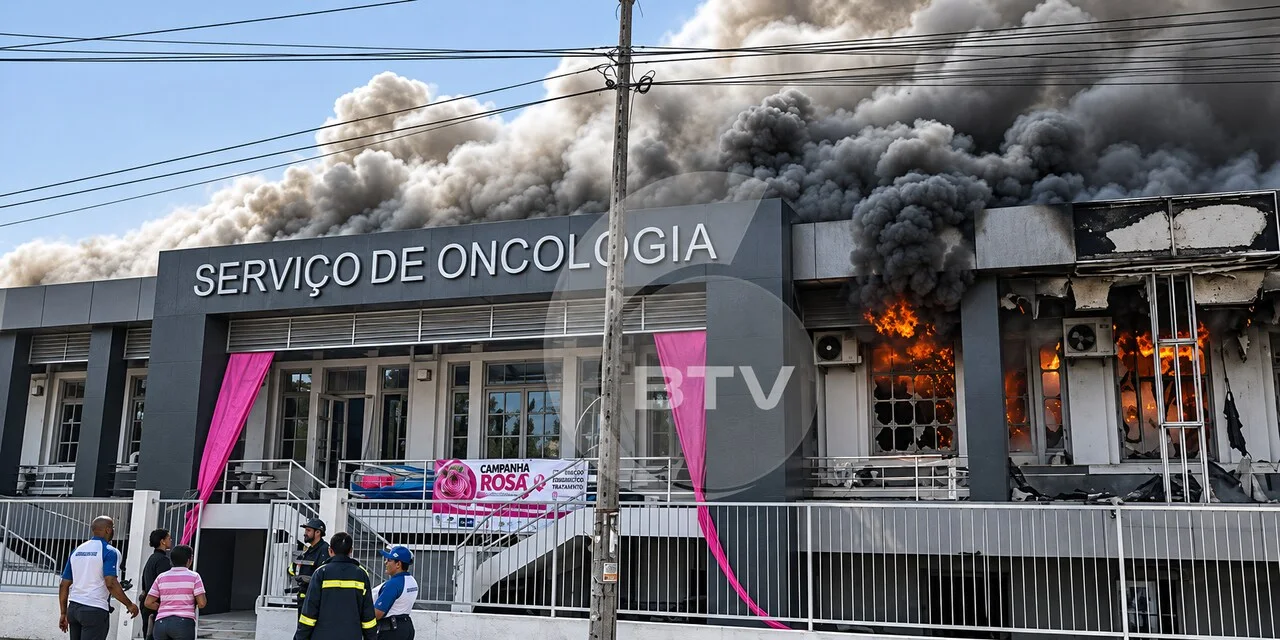
**A major fire broke out on Sunday morning, November 1, at the Oncology Department of Maputo Central Hospital (HCM), a medical facility responsible for diagnosing, treating and monitoring cancer patients. The cause of the fire and the extent of the damage remain unknown.**
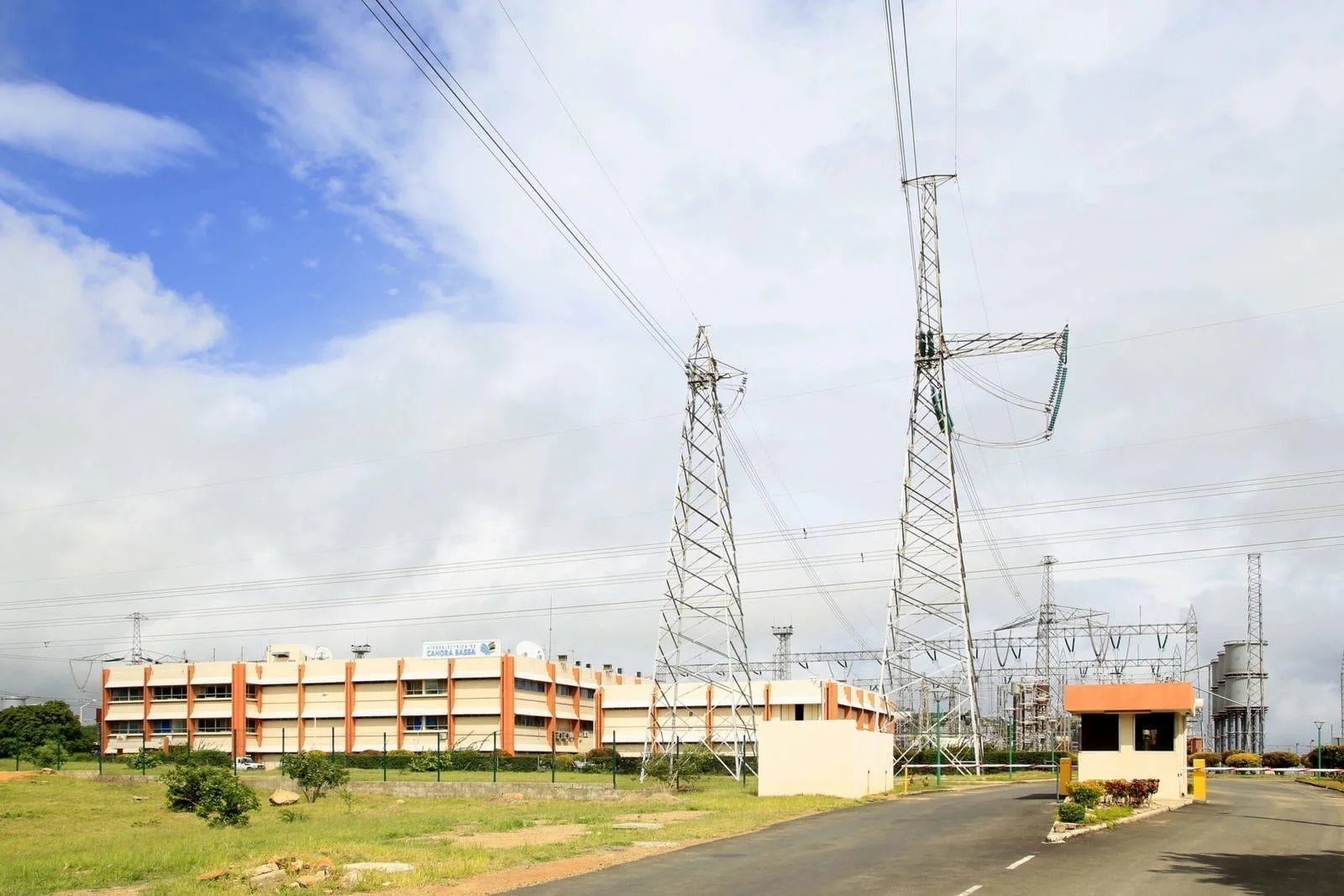
Electricidade de Moçambique (EDM) has announced scheduled power outages for Saturday, 31 October, and Sunday, 1 November, affecting several areas of Maputo City and the provinces of Gaza, Sofala, Manica and Zambézia, as part of preventive and corrective maintenance work on electricity infrastructure.
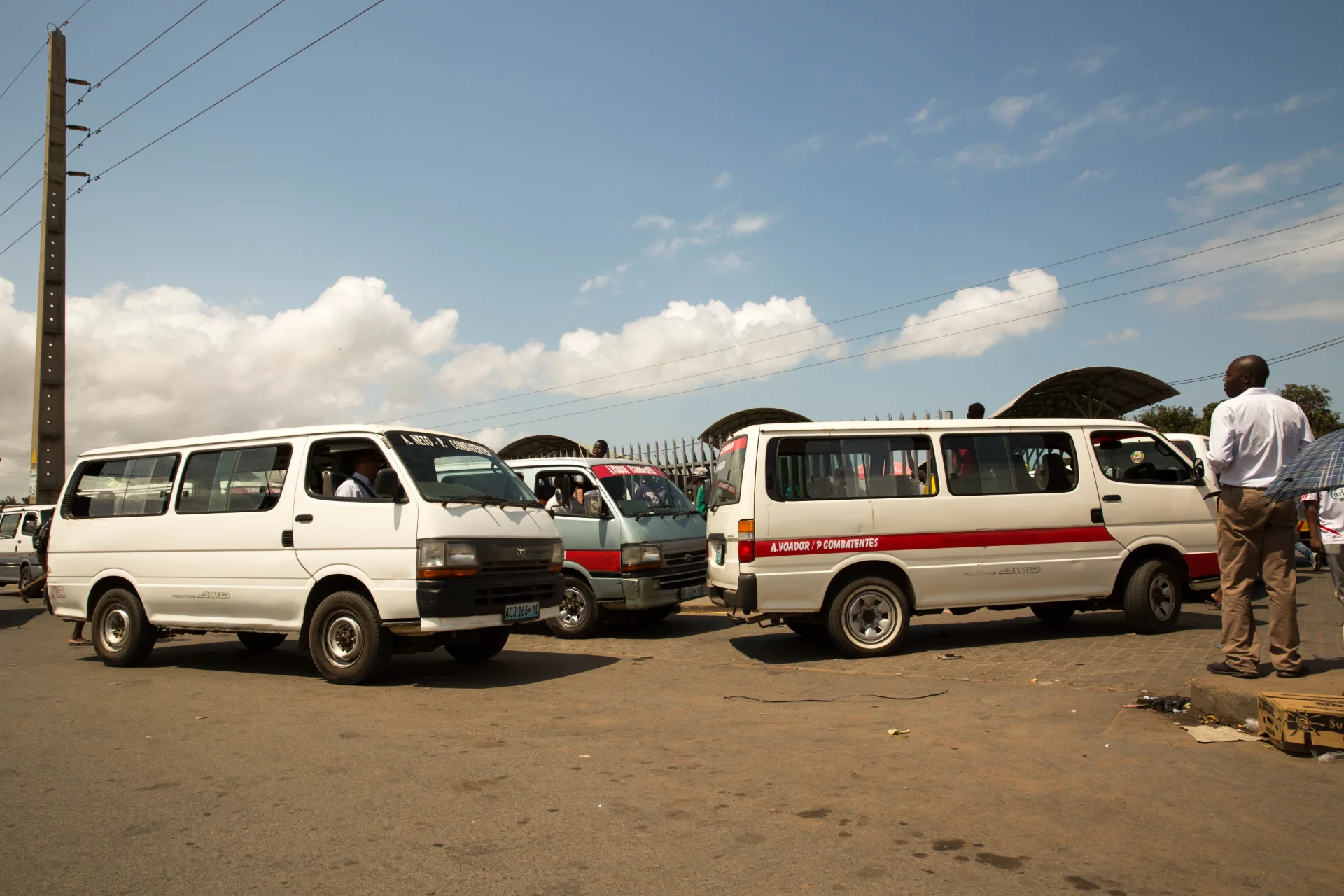
The Mozambican Government and the Mozambican Federation of Road Transport Operators' Associations (FEMATRO) have reached an agreement to increase fares for semi-collective passenger transport services in the Greater Maputo metropolitan area by five meticais, with the new rates expected to take effect on 7 November 2026.
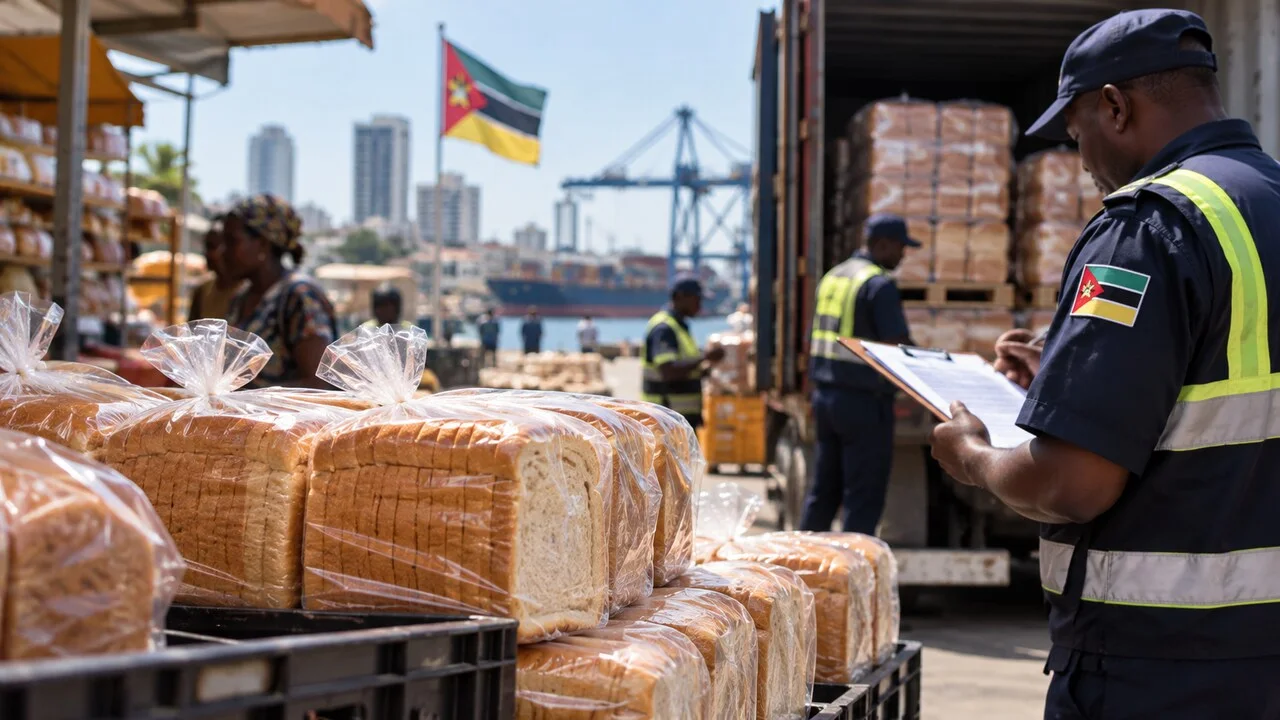
The Mozambican Government has approved new restrictions on the importation of sliced bread, introducing mandatory prior licensing, specific fees and limits on imported quantities as part of measures aimed at protecting the domestic bakery industry and stimulating local production. The new regulations will take effect on 27 November 2026.
Choose BNEWS as a preferred source and see more of our reporting when you search on Google.
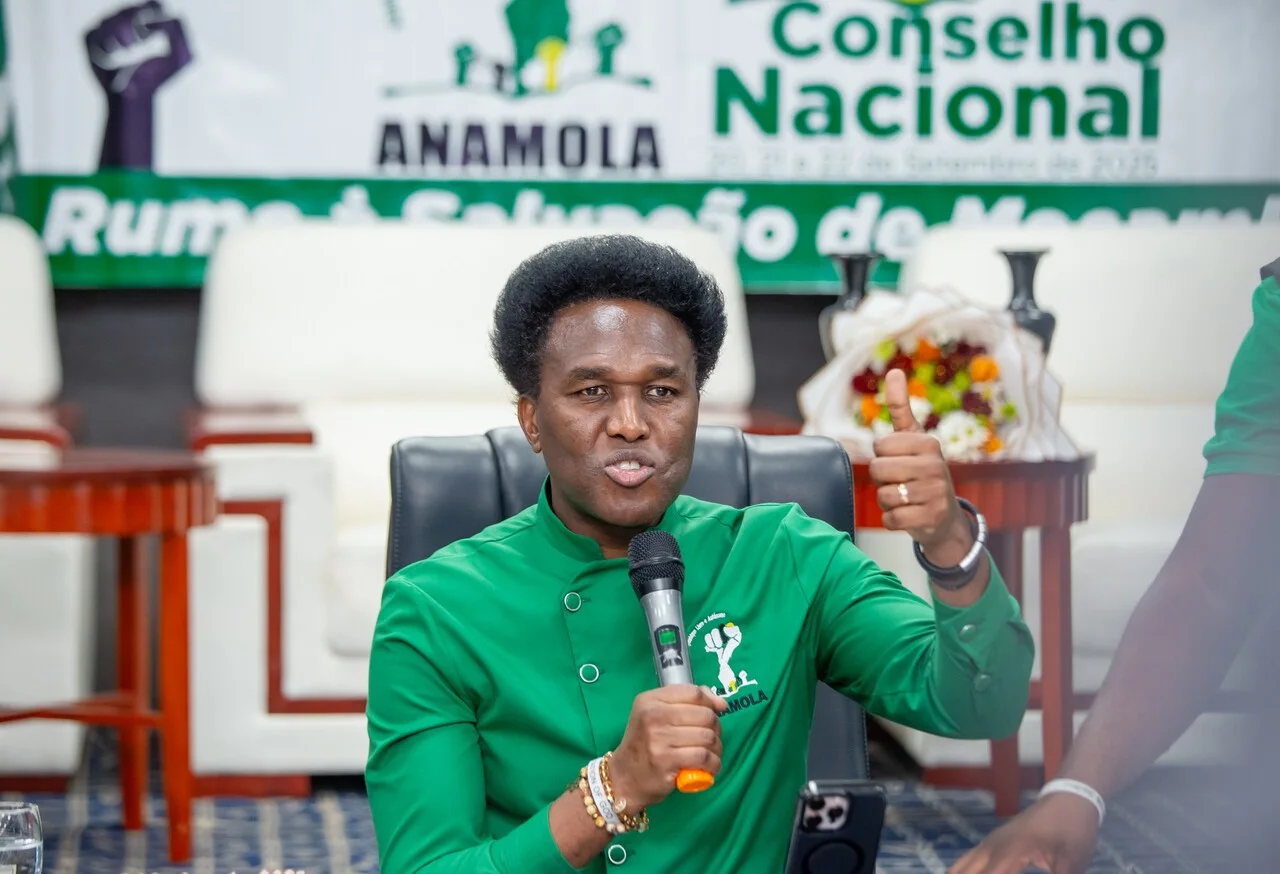
Mozambican politician Venâncio Mondlane has pledged to expose alleged irregularities and political interference in state institutions during his trial, scheduled for 17 November at the Supreme Court, describing the proceedings as an opportunity to reveal what he claims are mechanisms of political influence over Mozambique's justice system.
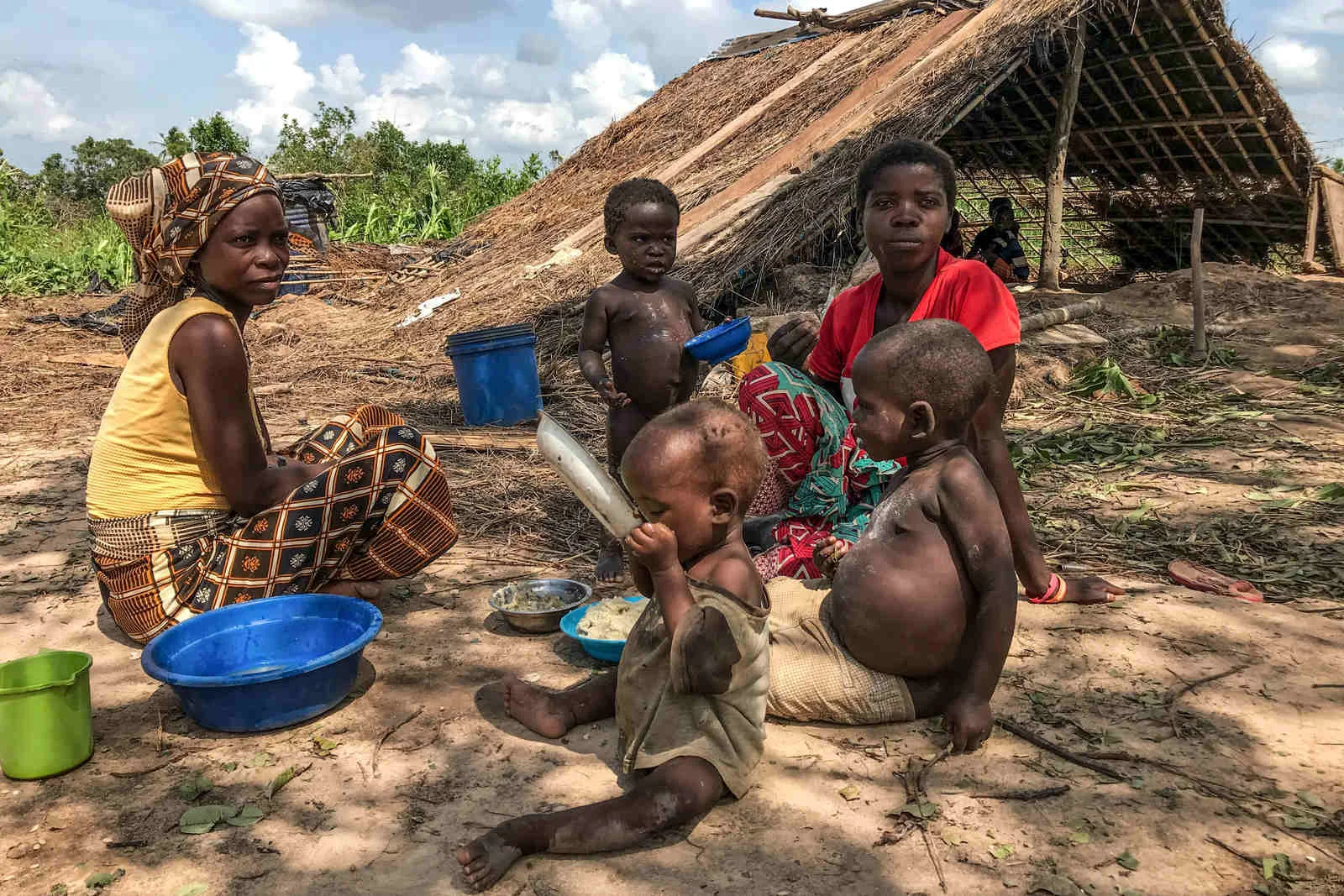
More than 1.8 million Mozambicans could face severe food insecurity between October 2026 and March 2027 due to the combined effects of drought associated with the El Niño phenomenon, armed conflict and dwindling food reserves, humanitarian organisation CARE Mozambique warned on Friday (30 October).
Mozambique's Parliament approved three International Labour Organization (ILO) conventions on Friday (30 October), aimed at strengthening the protection of Mozambican workers abroad, combating labour exploitation and regulating private employment agencies, amid growing demand for job opportunities outside the country.

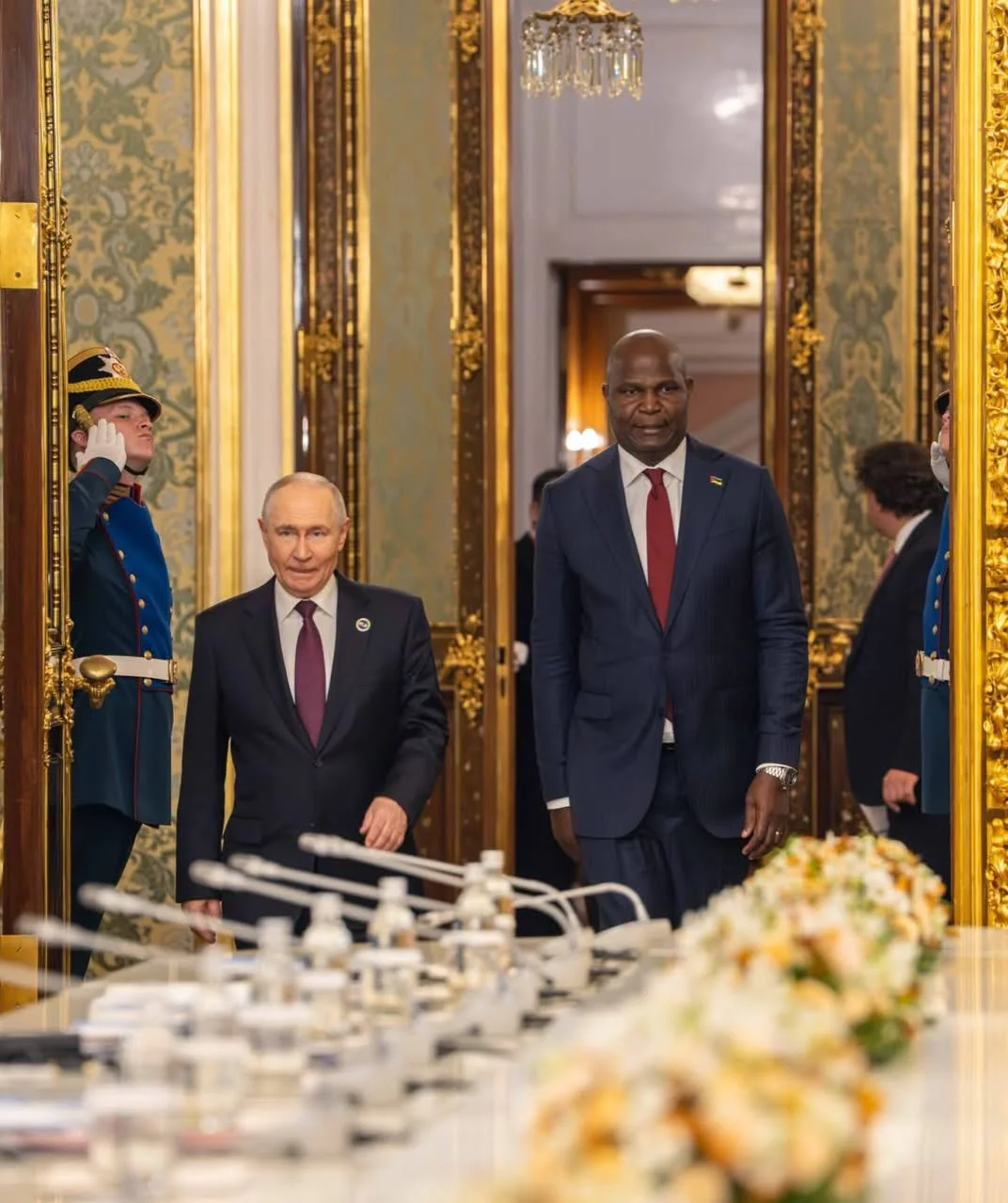
Mozambique's participation in the Third Russia-Africa Summit has opened up new prospects for economic, technological and digital cooperation with the Russian Federation, as the Government seeks to attract investment, promote technology transfer and accelerate the structural transformation of the national economy.