

Mozambique Sovereign Wealth Fund Grows More Than 31% Since December 2025
By Délio Timane 3 min
Mozambique’s Sovereign Wealth Fund (FSM) has grown by more than 31% since December 2025, reaching a market value of US$144.4 million in September.
See more BNEWS on Google
Mozambique’s Sovereign Wealth Fund (FSM) has grown by more than 31% since December 2025, reaching a market value of US$144.4 million in September.
According to the latest investment report, dated 25 September, the fund reached approximately US$144.4 million, compared with around US$110 million transferred for its establishment on 10 December 2025.
The figures represent an accumulated increase of about US$34.5 million in less than a year.
The Sovereign Wealth Fund is managed by the Bank of Mozambique and was created to invest part of the country’s revenues from natural gas exploitation.
On 25 September alone, the value of the portfolio increased by around US$152,000, with a daily return of 0.11%.
The US dollar-denominated component recorded a daily gain of 0.13%, while the euro-denominated portfolio advanced by 0.04%.
Despite the accumulated increase since its establishment, the fund’s more recent performance continues to be affected by developments in international bond markets.
Since the beginning of September, the portfolio had accumulated losses of 1.08%, while the quarterly decline stood at 0.63%.
The US dollar-denominated portfolio accounted for around US$101.2 million, equivalent to approximately 70% of the fund’s total assets.
The remaining 30%, corresponding to about US$43.2 million, was invested in euro-denominated assets.
The current structure reflects the implementation of a long-term investment strategy launched by the Bank of Mozambique in the second quarter of this year, following approval of the Investment Master Plan by the Ministry of Finance.
Previously, the Sovereign Wealth Fund’s resources were mainly held in bank deposits.
From the second quarter, the central bank began shifting the assets into a portfolio largely based on international sovereign debt denominated in US dollars and euros.
At the end of June, the Sovereign Wealth Fund had a market value of about US$118.4 million. This means that its assets increased by more than US$26 million in roughly three months.
The Investment Master Plan provides that 70% of the resources should be managed in line with the ICE BofA 0-5 Year US Treasury Index, which is composed of US Treasury bonds.
The remaining 30% is managed in line with the ICE BofA 0-3 Year Euro Government Index, which tracks sovereign debt issued in the euro area.
The portfolio’s geographical exposure is therefore mainly concentrated in the United States, while the European component is spread across countries including Germany, Austria, Finland, France and the Netherlands.
Investment rules also require at least 75% of the fund’s resources to remain invested in sovereign bonds included in the benchmark indices.
The regulations prohibit investments in assets issued by Mozambican companies or directly linked to the domestic economy.
Investments with exposure to the oil and gas sector are also prohibited, despite the fund being financed by revenues from natural gas exploitation.
Eligible assets must carry a minimum credit rating of A-.
Created under Law No. 1/2024, the Mozambique Sovereign Wealth Fund aims to support economic and social development, build savings for future generations and contribute to the stabilisation of the State Budget.
The legislation requires 40% of annual revenues from natural gas exploitation to be channelled into the fund.
The government estimates that these revenues could reach around US$6 billion per year during the 2040s.
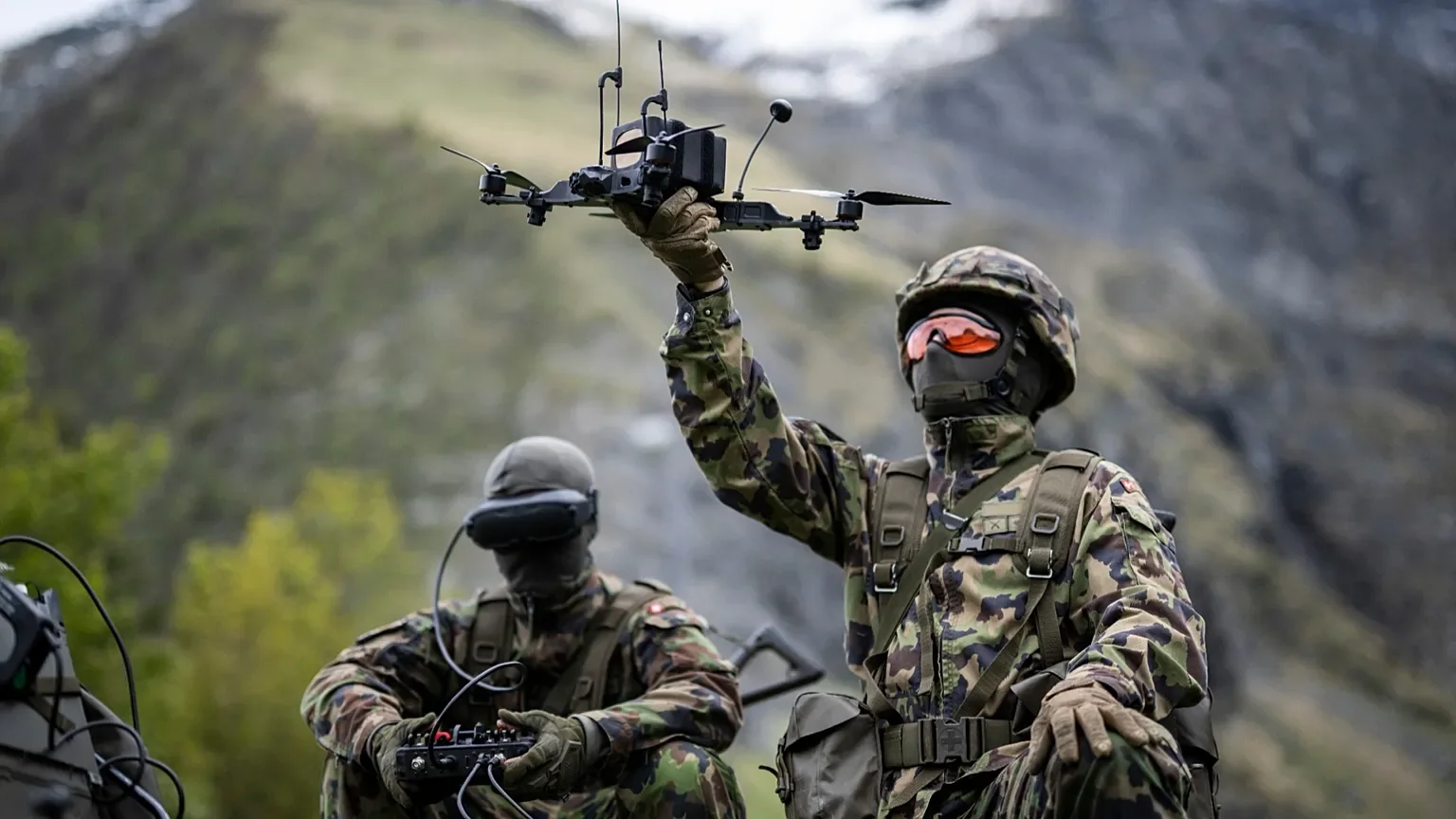
Mozambican President Daniel Chapo on Monday (16) called for the establishment of a national defence industry capable of developing and manufacturing military equipment, including drones, counter-drone systems and other technologies aimed at strengthening national security and enhancing the operational capabilities of the Defence and Security Forces (FDS).
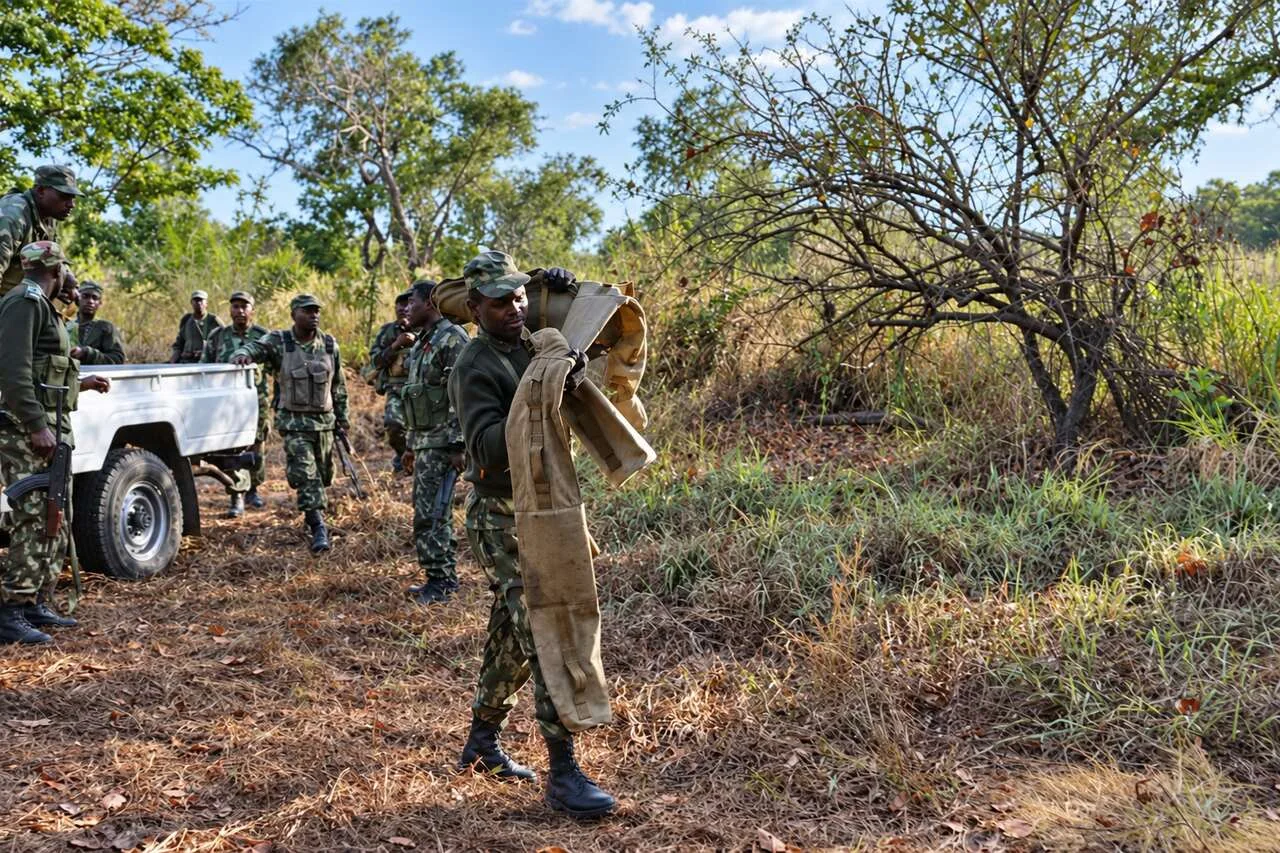
Mozambican President Daniel Chapo has acknowledged that terrorism continues to pose a threat to national security, despite progress in the fight against armed groups operating in the northern province of Cabo Delgado. The Head of State said the security situation has improved in recent years but admitted that sporadic attacks on some villages are still taking place.
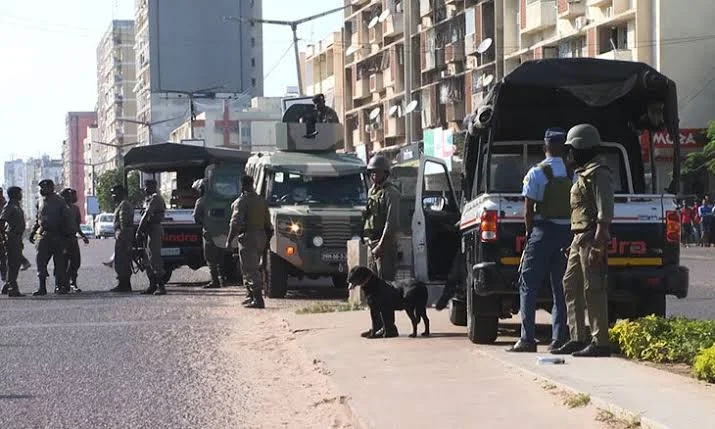
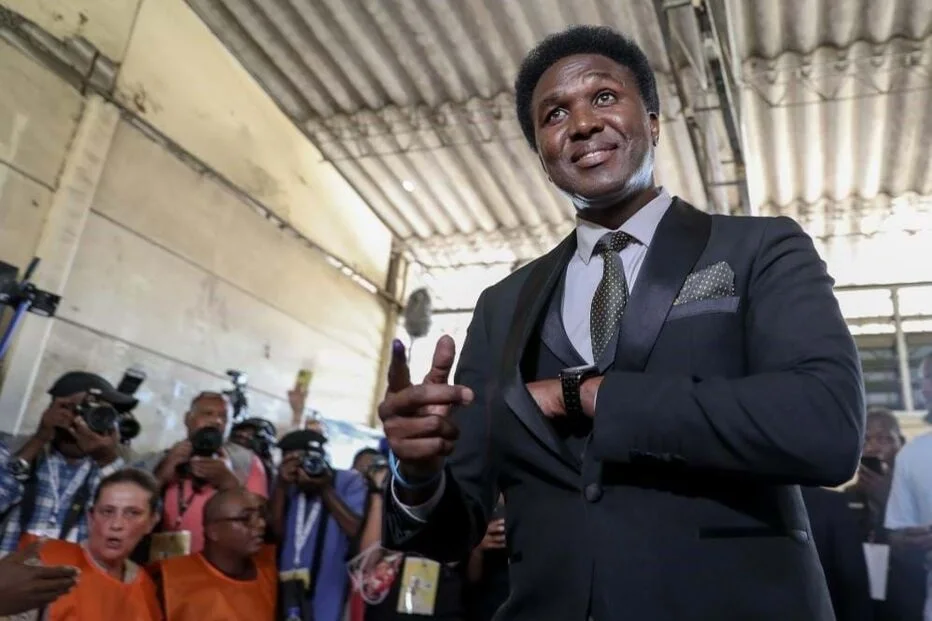
The Mozambique Republic Police (PRM) on Monday (16) called on the public to remain calm and maintain public order during the trial of former presidential candidate Venâncio Mondlane, scheduled to begin on Tuesday (17) at the Supreme Court in Maputo.
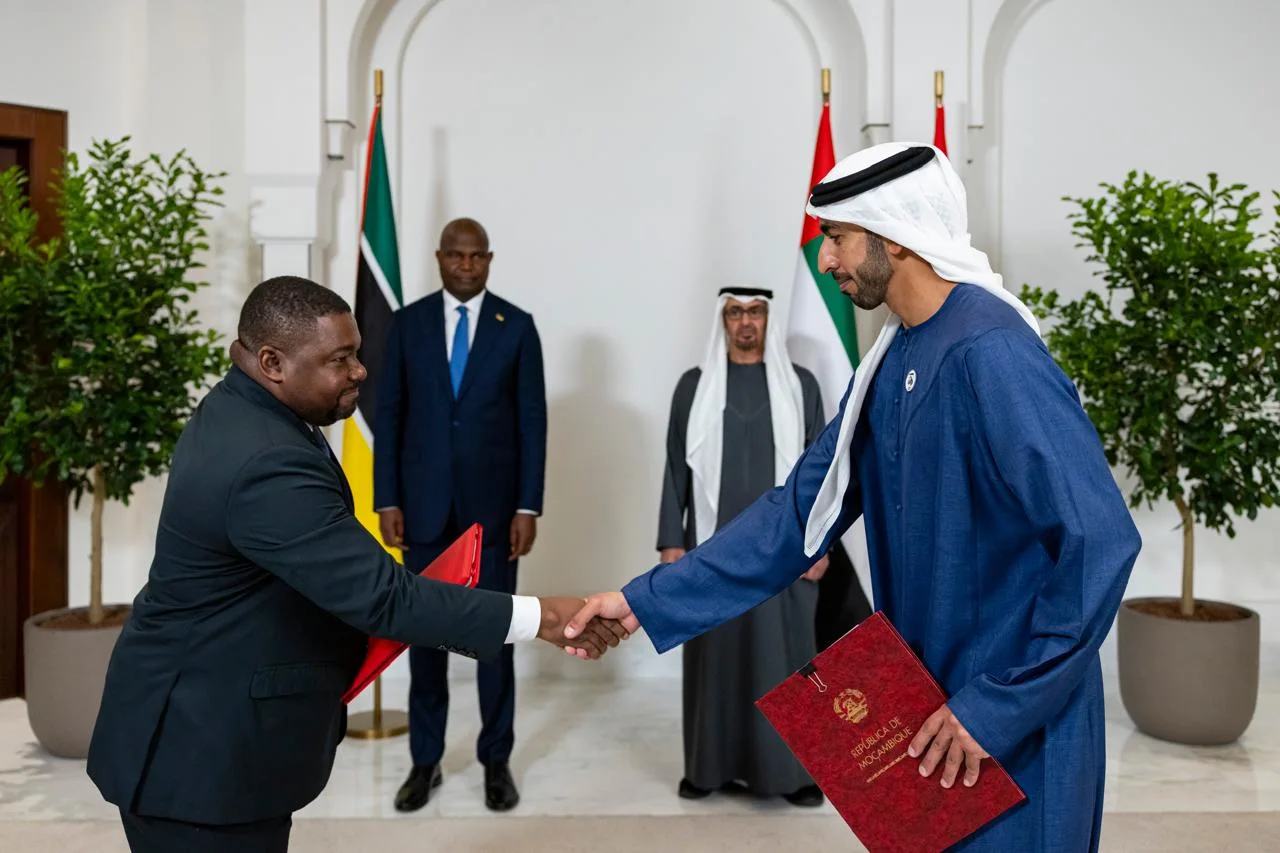
Mozambique is seeking to attract new investment from the United Arab Emirates (UAE) into strategic sectors of its economy, including agriculture, industry, energy and infrastructure, through a Comprehensive Economic Partnership Agreement (CEPA), negotiations for which were concluded on Saturday (14) in Abu Dhabi.
Choose BNEWS as a preferred source and see more of our reporting when you search on Google.
Mozambique's Supreme Court has decided to restrict media access to the trial of former presidential candidate Venâncio Mondlane, scheduled to begin on Tuesday (17) in Maputo. The court has reserved permanent places for only ten media outlets, leaving the remaining organisations to compete for four rotating slots, a decision that has sparked criticism over press freedom and the transparency of judicial proceedings.
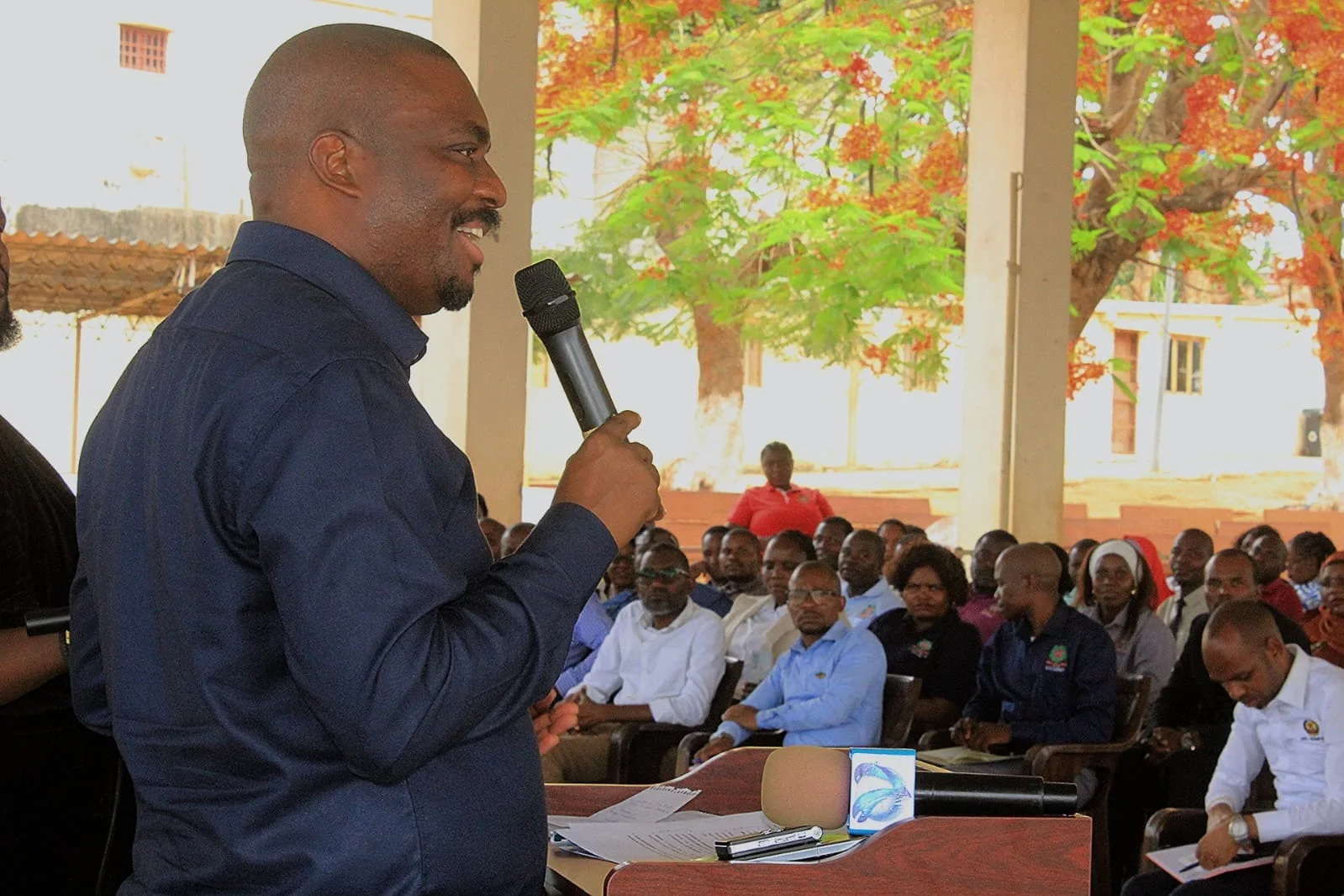
The Mozambican Government is developing a new calculation formula to ensure regular monthly payments for teachers' overtime, in a move aimed at addressing accumulated arrears and providing greater predictability in teachers' remuneration.
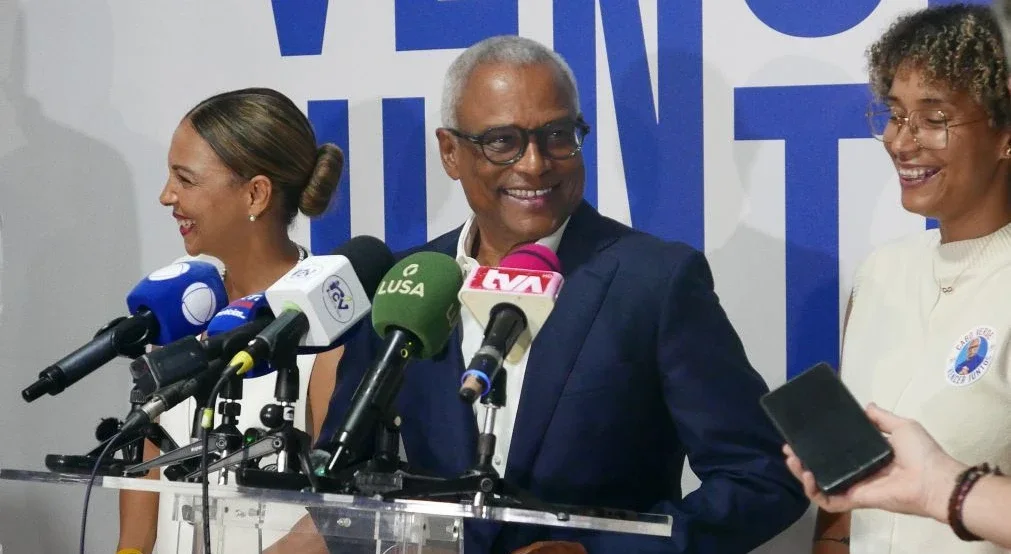
José Maria Neves has been re-elected President of Cape Verde after winning the presidential election held on Sunday (15) with approximately 64% of the vote, securing a second five-year term in office. However, the election was marked by a high abstention rate, with around 68% of registered voters staying away from the polls.
Mozambique's Net International Reserves (NIR) fell by approximately 19.7% between February and September 2026, equivalent to around $838 million, according to the latest data from the Bank of Mozambique. Despite a slight recovery in September, reserves remain at their lowest levels in recent months.