The application was submitted to the US Africa Strategic Investment Program, managed by the United States Department of State, according to information released by the company, formerly known as Altona Rare Earths.
The funding is expected to support additional drilling campaigns aimed at significantly increasing the fluorite resources currently identified at the project.
NeoTerra intends to increase estimated contained fluorite resources from around 716,000 tonnes to approximately four million tonnes, thereby expanding the scale and potential lifespan of the mining operation.
In addition to expanding the resource base, the company plans to conduct a study of the regional fluorite and fluorine market and assess the feasibility of establishing a hydrofluoric acid production facility in Mozambique.
According to the company, the potential funding would help determine whether the resources available at Monte Muambe are sufficient to support a broader industrial value chain in the country.
“This grant would allow us to determine whether there is sufficient scale to support hydrofluoric acid production in Mozambique, combining Monte Muambe resources with potential additional sources of feedstock in the region,” said NeoTerra Chief Executive Officer Cedric Simonet.
Despite the application for US funding, the company says the process will not affect the timetable of the work currently under way.
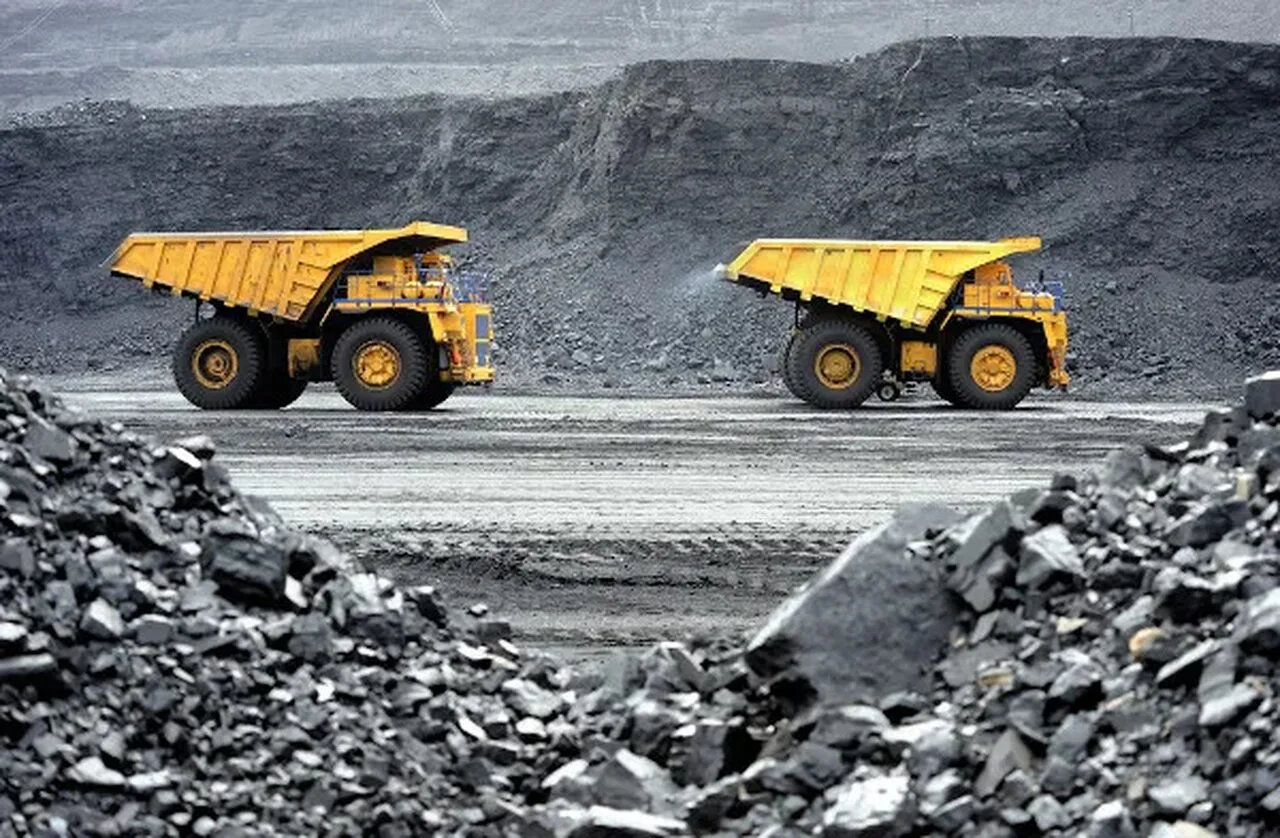
NeoTerra plans to develop a mining operation with an estimated production capacity of 50,000 tonnes of fluorite per year, while the environmental licensing process has already begun.
Fluorite is the main raw material used in the production of hydrofluoric acid, a compound used across several industrial and technological sectors, including refrigerants, batteries, semiconductors and advanced materials.
The Monte Muambe project has recorded a number of developments in recent months.
In August, laboratory tests carried out by Comex and SGS Lakefield achieved an 85% gallium recovery rate, strengthening the project’s potential for the industrial recovery of the critical mineral.
The tests also identified a pre-concentration process based on X-ray transmission technology, which could allow gallium-bearing feldspar to be separated from the remaining rock material.
Gallium is considered a critical raw material by several industrialised economies because of its use in semiconductors, 5G networks, radar systems, satellite communications, solar panels and fast-charging technologies for electric vehicles.
In June, NeoTerra also announced the discovery of xenotime at Monte Muambe, a mineral associated with heavy rare earth elements.
According to the company, drilling campaigns carried out in 2025 confirmed widespread enrichment in heavy rare earth elements and identified xenotime at the project for the first time, creating new prospects for the economic development of mineral resources in the area.
Monte Muambe holds a mining licence valid for 25 years and has previously received a US$1.875 million grant from the United States Trade and Development Agency for studies related to the development of the project’s rare earth component.
Company estimates indicate resources of 13.6 million tonnes of rare earth material, 3.48 million tonnes of fluorite and 11.73 million tonnes of ore with an average grade of 54.7 grams per tonne of gallium oxide.