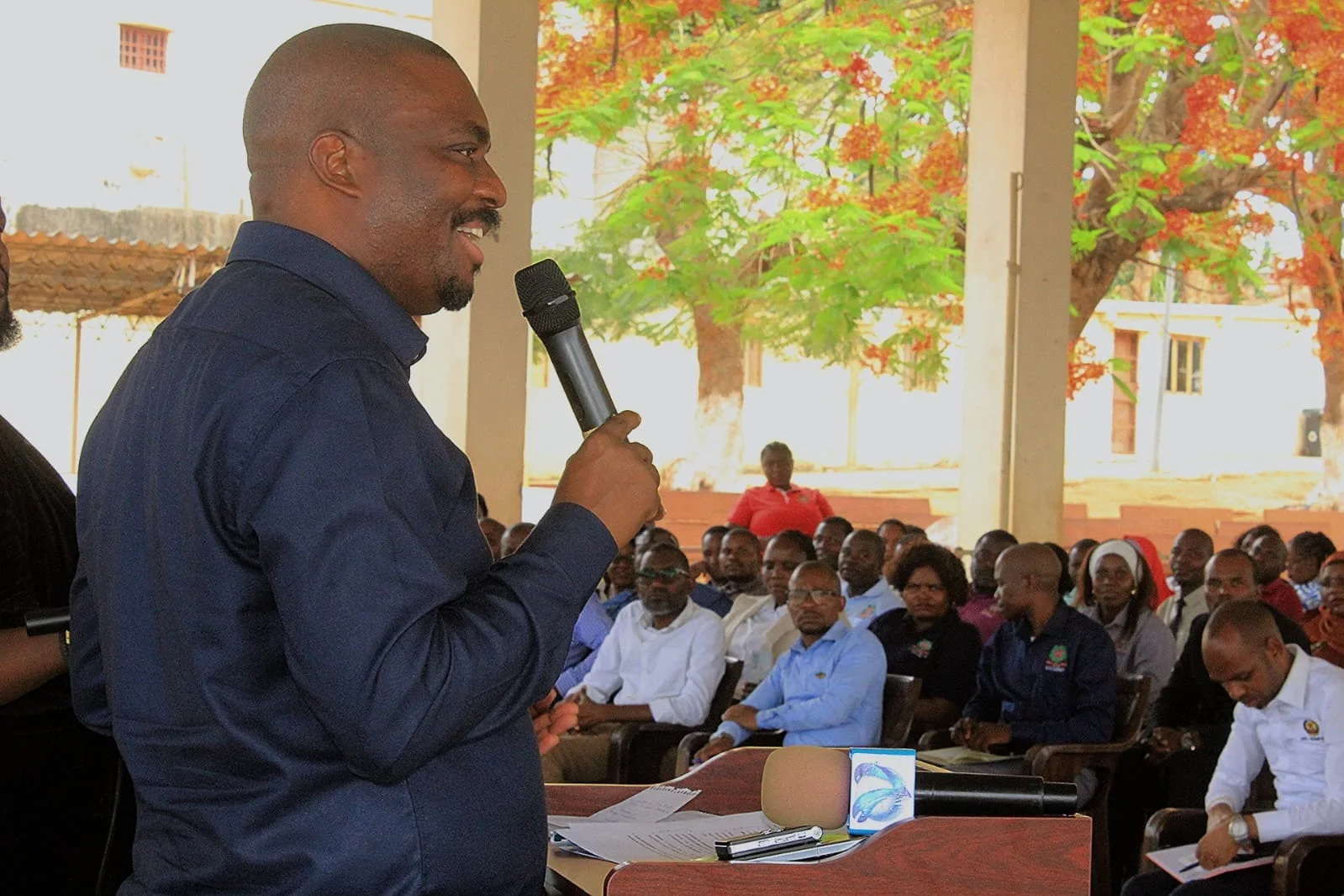
The proposal was presented during a military graduation ceremony at the Lieutenant-General Armando Emílio Guebuza Higher Institute of Defence Studies (ISEDEF), in Matola, Maputo Province, where the Head of State highlighted the importance of investing in scientific research and technological innovation for national defence.
During the ceremony, Daniel Chapo challenged ISEDEF to develop plans for a research and technological innovation centre that could support the Government in establishing a domestic defence industry, progressively reducing dependence on military equipment and technological solutions developed abroad.
"The State is already considering establishing a defence industry," the President stated, encouraging the institution to develop concrete studies and proposals to turn this ambition into a national capability for manufacturing military equipment.
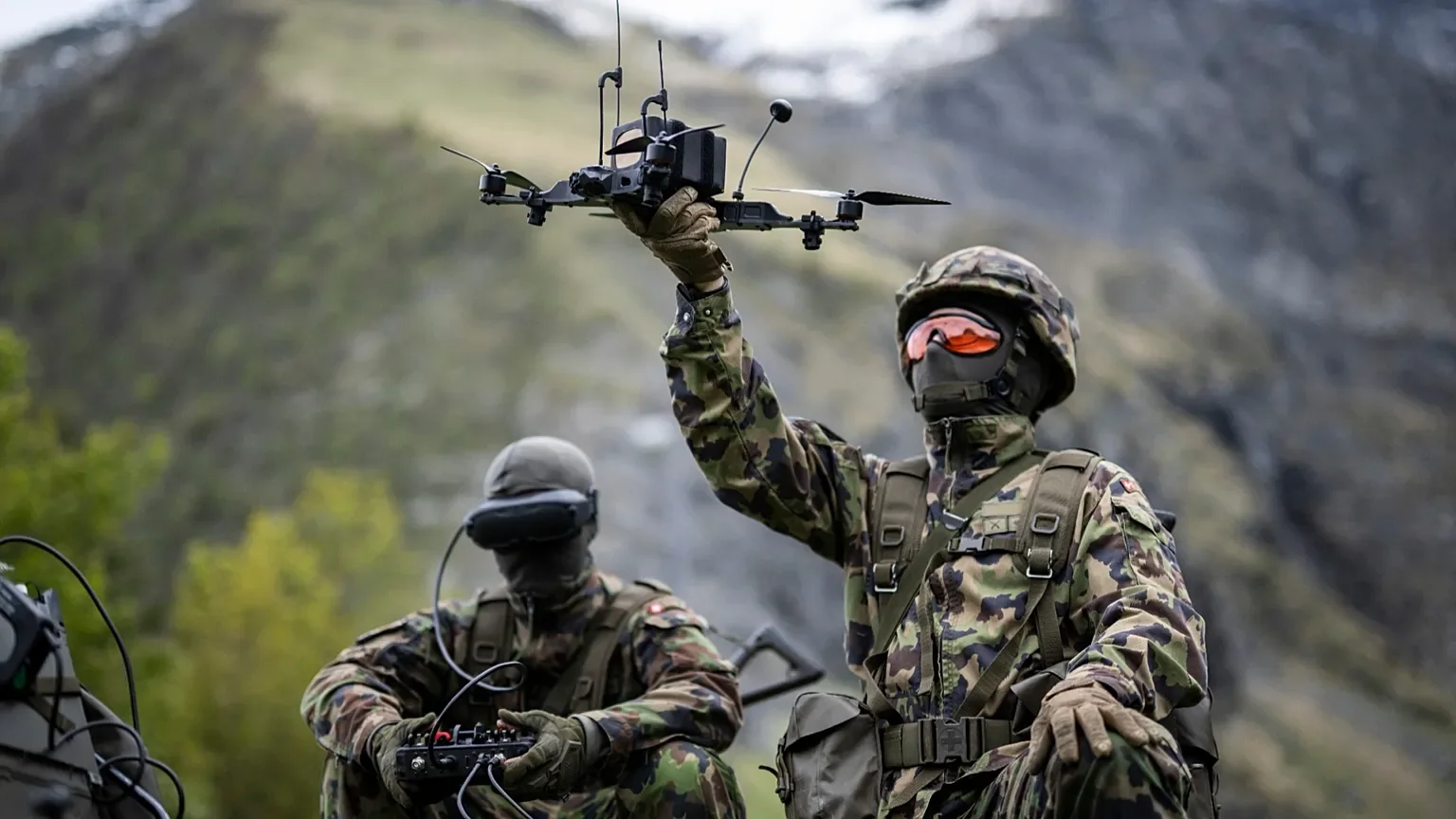
According to the Head of State, the proposed technology centre should contribute to the development of drone prototypes, counter-drone systems, unmanned ground vehicles, precision weapons, geospatial intelligence solutions and cyber defence systems.
Daniel Chapo explained that the focus on these technologies reflects changes in modern warfare, where unmanned systems are playing an increasingly important role in military operations.
The President argued that Mozambique must keep pace with these developments by investing in specialist training and building technological capabilities that will enable its armed forces to respond effectively to threats against national security and sovereignty.
The ambition to establish a national defence industry is not new. In November 2025, the Government acknowledged the absence of a consolidated military manufacturing sector and expressed its intention to develop domestic capabilities for producing ammunition, weapons, drones and surveillance systems.
The President's latest remarks reinforce this ambition, positioning ISEDEF as one of the institutions that could play a significant role in researching, designing and developing technological solutions for the defence sector.
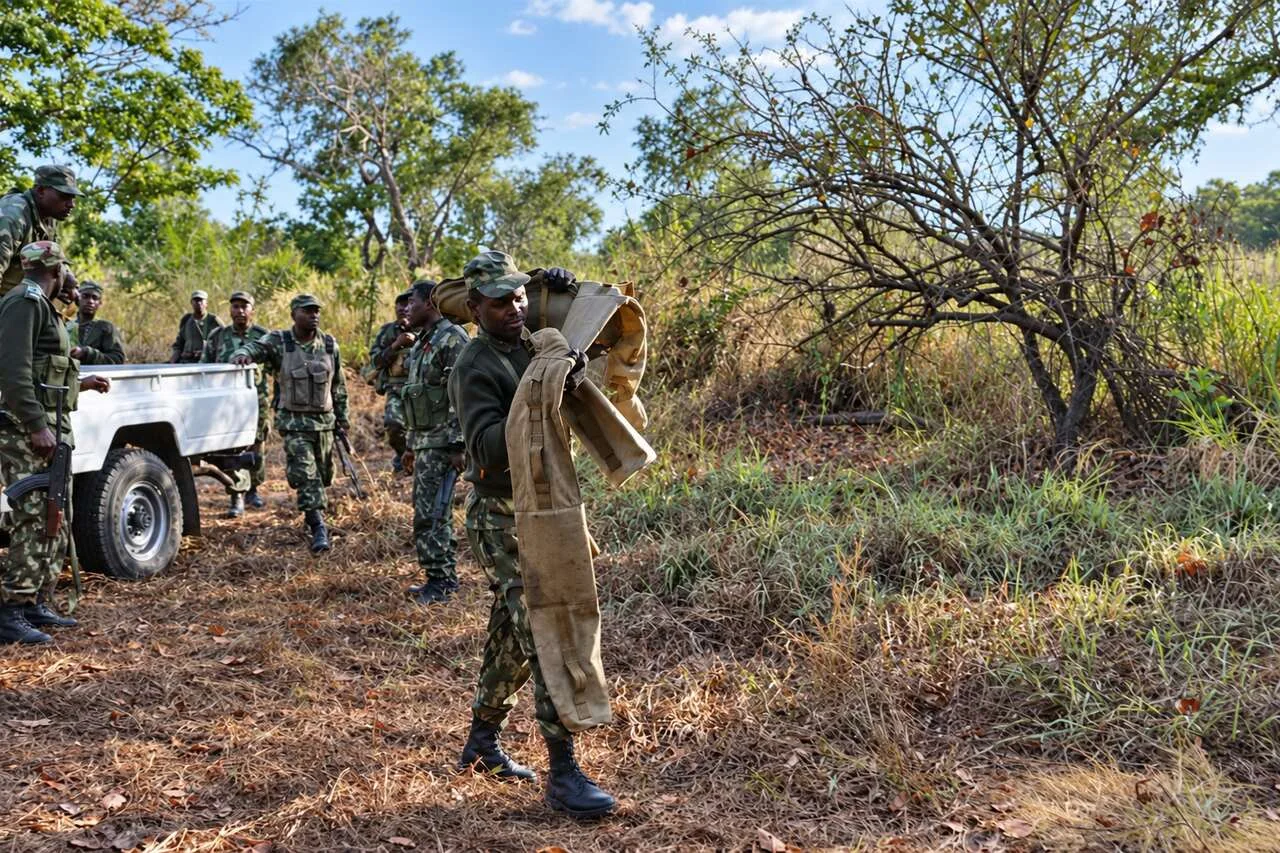
During his address, Daniel Chapo also urged newly trained military personnel to apply the knowledge they had acquired to address the country's practical challenges, particularly the fight against terrorism in Cabo Delgado Province.
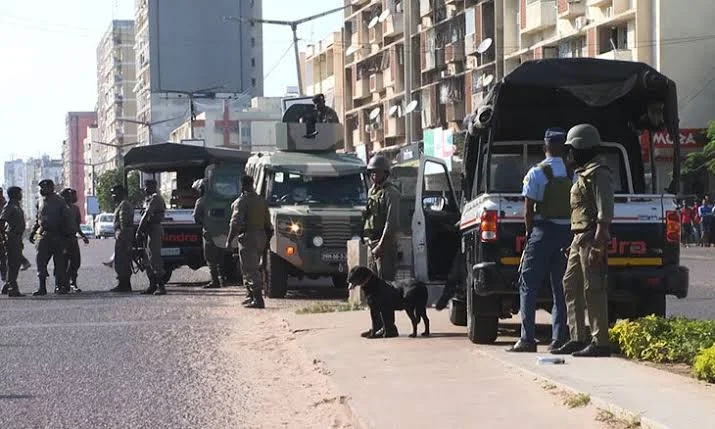
The Head of State acknowledged that, despite progress in the province, terrorist groups continue to pose a threat, with sporadic attacks still being carried out against some communities.
"We are not saying that terrorism no longer exists in Cabo Delgado. No. We are simply saying that today we are in a better position than we were before," he stated, emphasising that national forces remain engaged in security operations in coordination with international partners.
Daniel Chapo also acknowledged the difficulties facing the Defence and Security Forces, particularly shortages of equipment and financial resources, and called for alternative funding mechanisms to strengthen military capabilities.
In this context, the proposed defence industry could become a strategic component of the modernisation of Mozambique's armed forces. However, the Government has yet to announce a budget, implementation timetable or financing model for the establishment of the technology centre and manufacturing facilities.
The ceremony marked the completion of several military training programmes, including National Defence, Senior Command, Promotion to Senior Officer and Tactical-Operational Planning, aimed at strengthening leadership, planning and command capabilities within Mozambique's Defence and Security Forces.