South Africa: Two Mass Shootings Leave 27 Dead

At least 27 people were killed and another 26 injured in two mass shootings recorded within a few hours of each other in South Africa, on the outskirts of Johannesburg and Cape Town.
See more BNEWS on Google

At least 27 people were killed and another 26 injured in two mass shootings recorded within a few hours of each other in South Africa, on the outskirts of Johannesburg and Cape Town.
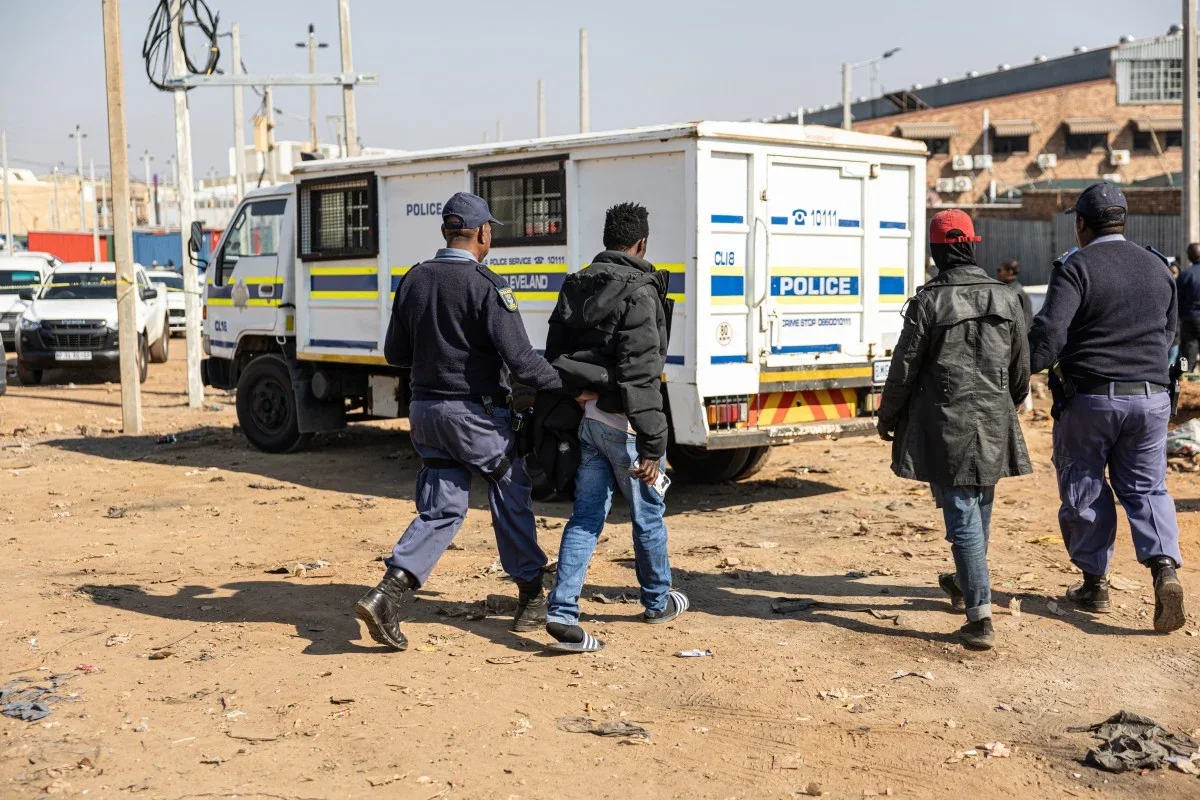
The first attack took place on the night of Saturday, 26 September, in the township of Wedela, southwest of Johannesburg, where eight men armed with AK-47 rifles and pistols opened fire on people at a bar.
According to South African police, 17 people were killed and another 15 injured. The dead included 13 men and four women.
The attackers first opened fire on people who were outside the establishment and then entered the venue, where they continued shooting.
Before fleeing, the suspects allegedly searched some of the victims and stole mobile phones. Authorities said the men left the scene in two vehicles.
Around four hours later, a second shooting was recorded in Lwandle, near Cape Town.
Ten people were killed and another 11 injured in that attack. Police set up a specialised team to investigate the case and locate the suspects.
So far, no arrests have been announced in connection with the two attacks.
Authorities have not established any link between the two shootings, although both occurred within a few hours of each other and during a period marked by several incidents of gun violence in the country.
Days earlier, another attack had been recorded in KwaMakhutha, south of Durban, where gunmen stormed a residence during a party.
That attack initially left 11 people dead, a figure that later rose to 12 after one of the hospitalised victims died from injuries.
The succession of shootings has once again raised concern over the levels of gun violence in South Africa.
The country has faced high levels of violent crime for several years, with firearms among the most commonly used weapons in homicides.
The circulation of illegal firearms, criminal group activity and gang-related violence are among the factors identified by authorities as contributing to the situation.
Between April and June, South Africa recorded 5,427 murders, equivalent to nearly 60 deaths per day, according to official police statistics.
Security forces have intensified operations in several parts of the country in an effort to combat organised crime and remove illegal firearms from circulation.
In one operation carried out in September, more than 17,000 suspects were arrested for various crimes, including murder, illegal possession of firearms, drug trafficking and robbery. Authorities also seized more than one hundred unlicensed firearms.
In March, President Cyril Ramaphosa ordered the deployment of soldiers to some of the areas most affected by crime, in an operation aimed at strengthening the authorities’ response to violent crime.
Investigations into the Wedela and Lwandle attacks are continuing, while police maintain operations to identify those responsible and determine the motives behind the two shootings.

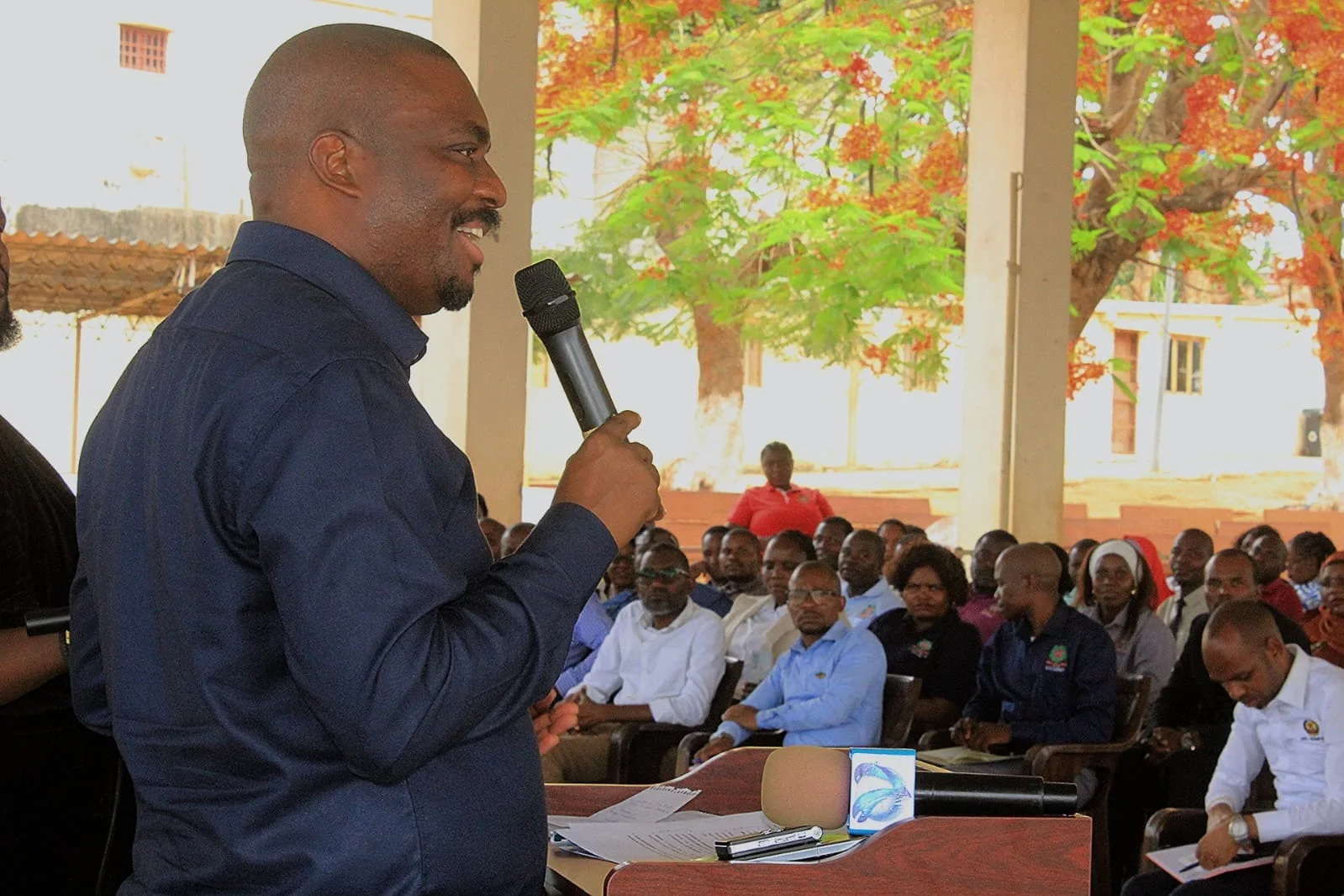
Mozambican President Daniel Chapo on Monday (16) called for the establishment of a national defence industry capable of developing and manufacturing military equipment, including drones, counter-drone systems and other technologies aimed at strengthening national security and enhancing the operational capabilities of the Defence and Security Forces (FDS).

Mozambican President Daniel Chapo has acknowledged that terrorism continues to pose a threat to national security, despite progress in the fight against armed groups operating in the northern province of Cabo Delgado. The Head of State said the security situation has improved in recent years but admitted that sporadic attacks on some villages are still taking place.

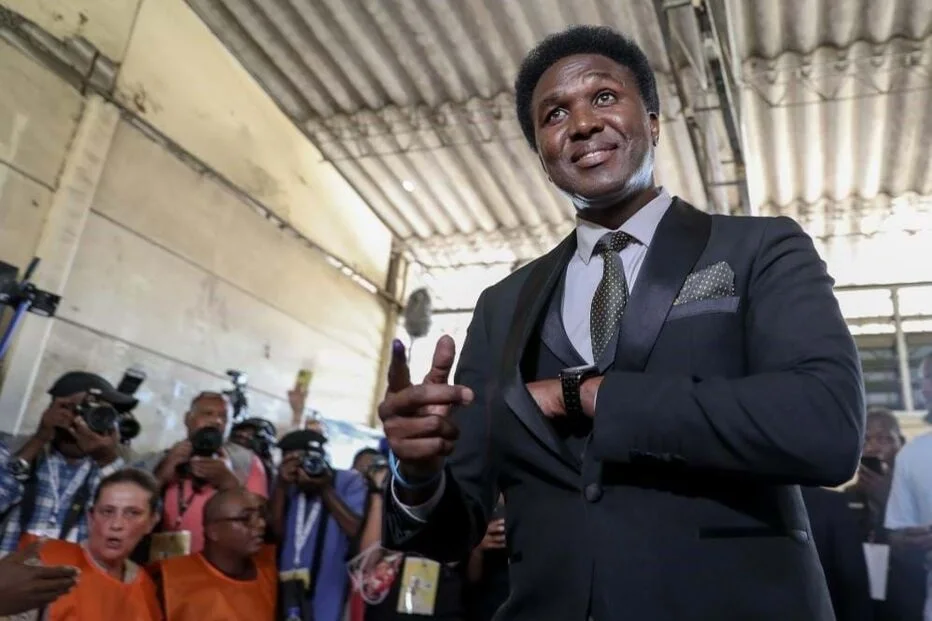
The Mozambique Republic Police (PRM) on Monday (16) called on the public to remain calm and maintain public order during the trial of former presidential candidate Venâncio Mondlane, scheduled to begin on Tuesday (17) at the Supreme Court in Maputo.

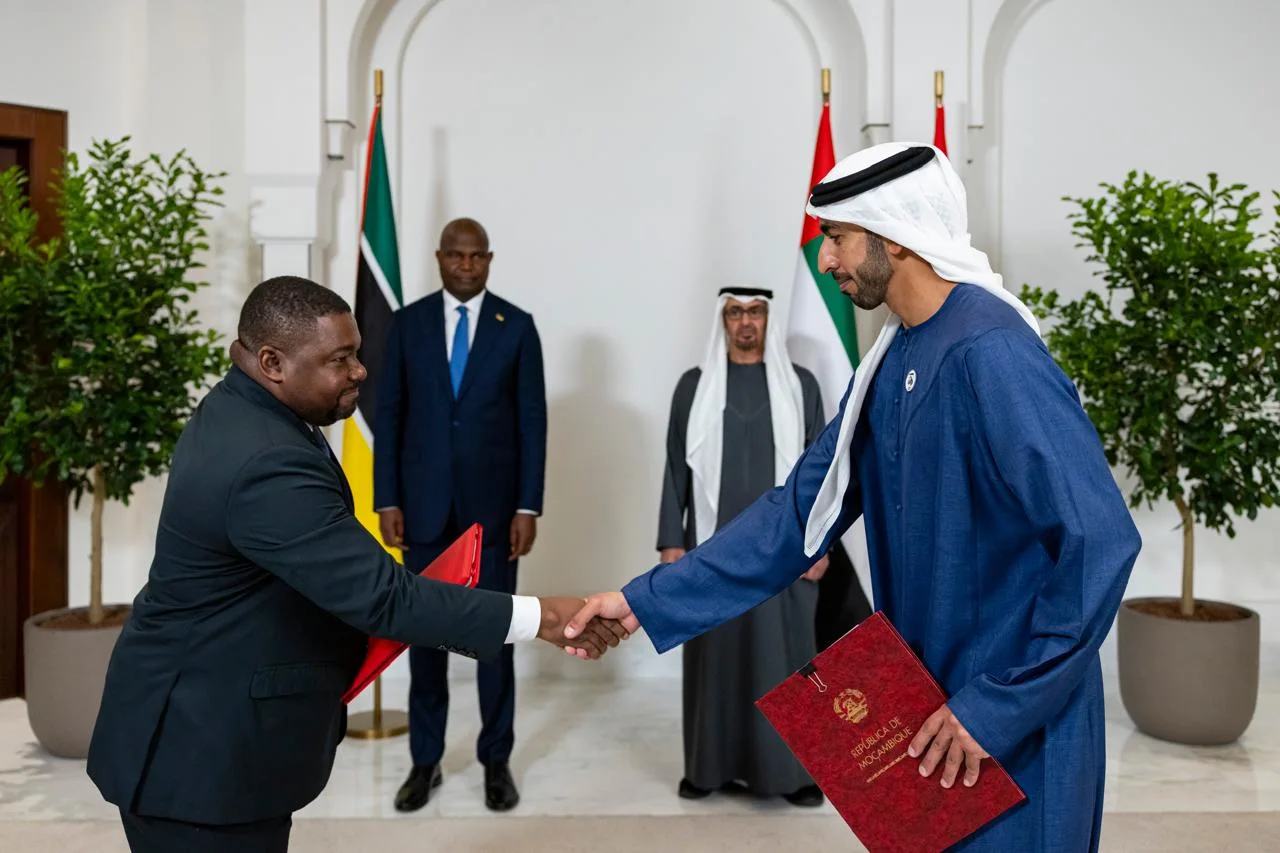
Mozambique is seeking to attract new investment from the United Arab Emirates (UAE) into strategic sectors of its economy, including agriculture, industry, energy and infrastructure, through a Comprehensive Economic Partnership Agreement (CEPA), negotiations for which were concluded on Saturday (14) in Abu Dhabi.

Choose BNEWS as a preferred source and see more of our reporting when you search on Google.
Mozambique's Supreme Court has decided to restrict media access to the trial of former presidential candidate Venâncio Mondlane, scheduled to begin on Tuesday (17) in Maputo. The court has reserved permanent places for only ten media outlets, leaving the remaining organisations to compete for four rotating slots, a decision that has sparked criticism over press freedom and the transparency of judicial proceedings.

The Mozambican Government is developing a new calculation formula to ensure regular monthly payments for teachers' overtime, in a move aimed at addressing accumulated arrears and providing greater predictability in teachers' remuneration.

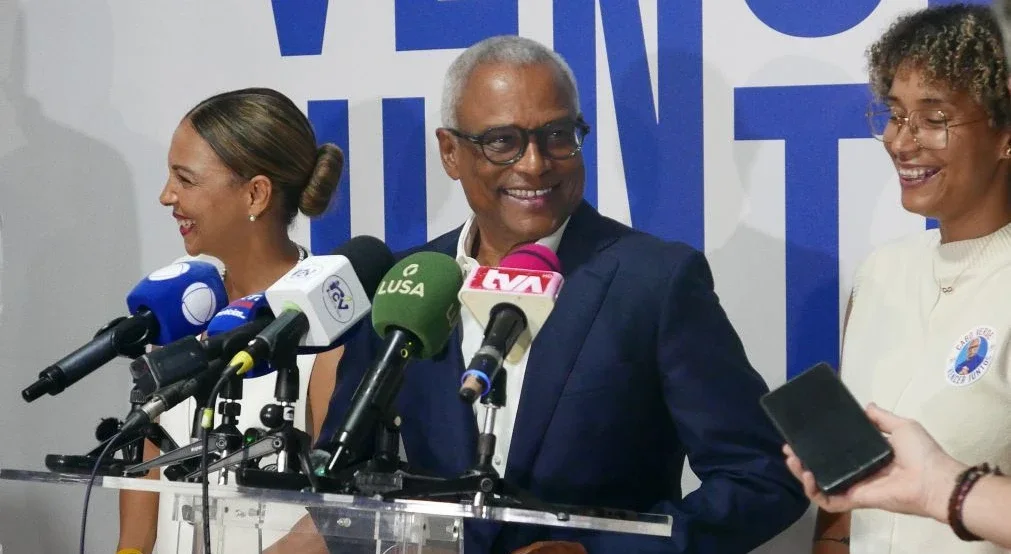
José Maria Neves has been re-elected President of Cape Verde after winning the presidential election held on Sunday (15) with approximately 64% of the vote, securing a second five-year term in office. However, the election was marked by a high abstention rate, with around 68% of registered voters staying away from the polls.

Mozambique's Net International Reserves (NIR) fell by approximately 19.7% between February and September 2026, equivalent to around $838 million, according to the latest data from the Bank of Mozambique. Despite a slight recovery in September, reserves remain at their lowest levels in recent months.

Carregando mais actualizações