Mozambique and Japan Strengthen Economic Cooperation

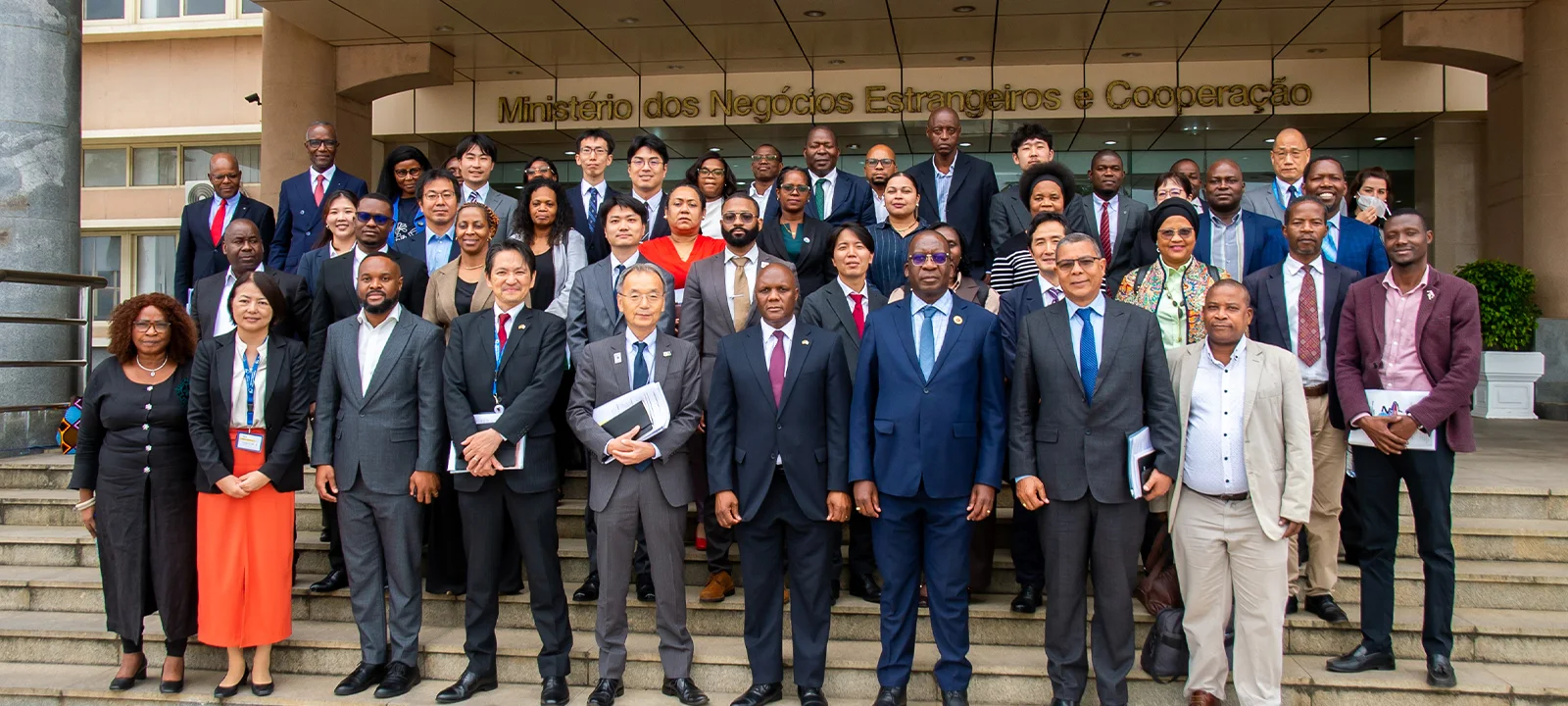
Mozambique and Japan reaffirmed their commitment to deepen bilateral economic cooperation on Thursday in Maputo during the 20th Annual Technical Meeting on Economic Cooperation.
See more BNEWS on Google

Mozambique and Japan reaffirmed their commitment to deepen bilateral economic cooperation on Thursday in Maputo during the 20th Annual Technical Meeting on Economic Cooperation.
The meeting was held to assess progress made in joint projects and identify new areas of partnership between the two countries.
The session was co-chaired by Mozambique’s Ambassador to Japan, Alberto Paulo, and Japan’s Ambassador to Mozambique, Hamada Keiji.
During the opening session, the two diplomats highlighted the progress made in cooperation between Mozambique and Japan over the years.
The partnership currently covers areas such as infrastructure, agriculture, energy, health, education, human resource development, business cooperation and humanitarian assistance.
According to the two sides, the meeting also provided an opportunity to identify challenges affecting the implementation of some projects and discuss strategies to improve the results of bilateral cooperation.
Mozambique and Japan also intend to open new areas of economic collaboration by exploring investment and development opportunities in strategic sectors.
Representatives of both countries stressed the importance of maintaining technical dialogue to monitor ongoing projects and prepare new initiatives.
The 20th Annual Technical Meeting took place in an atmosphere of cooperation and strengthened relations between Maputo and Tokyo.

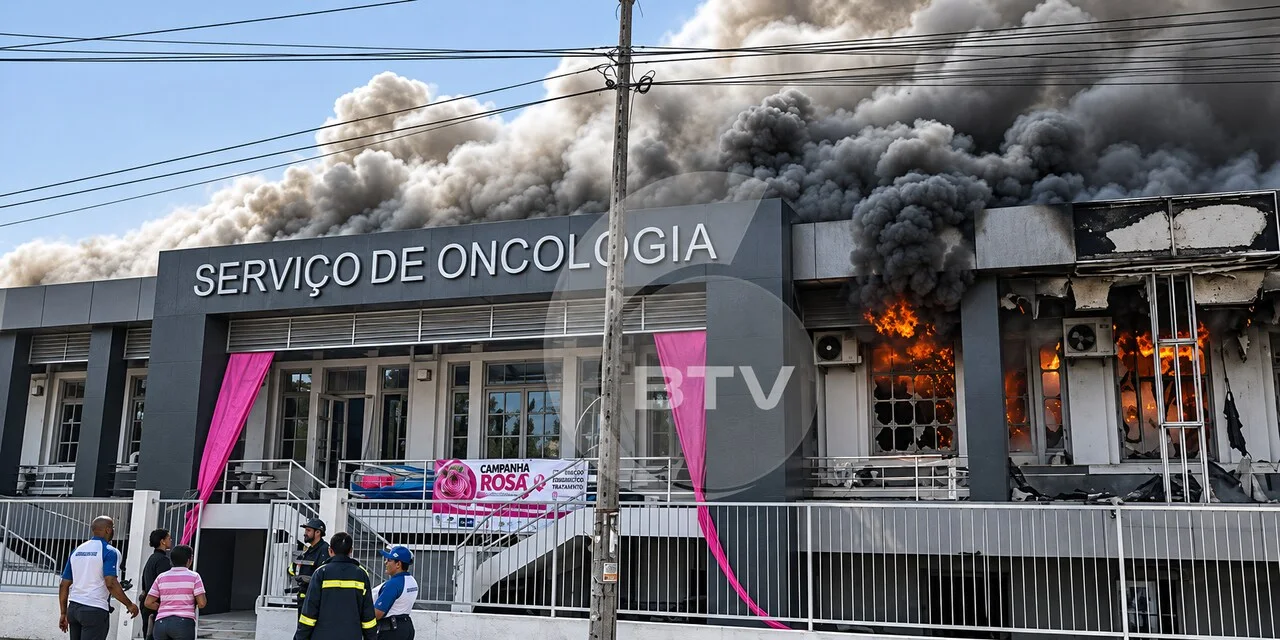
**A major fire broke out on Sunday morning, November 1, at the Oncology Department of Maputo Central Hospital (HCM), a medical facility responsible for diagnosing, treating and monitoring cancer patients. The cause of the fire and the extent of the damage remain unknown.**

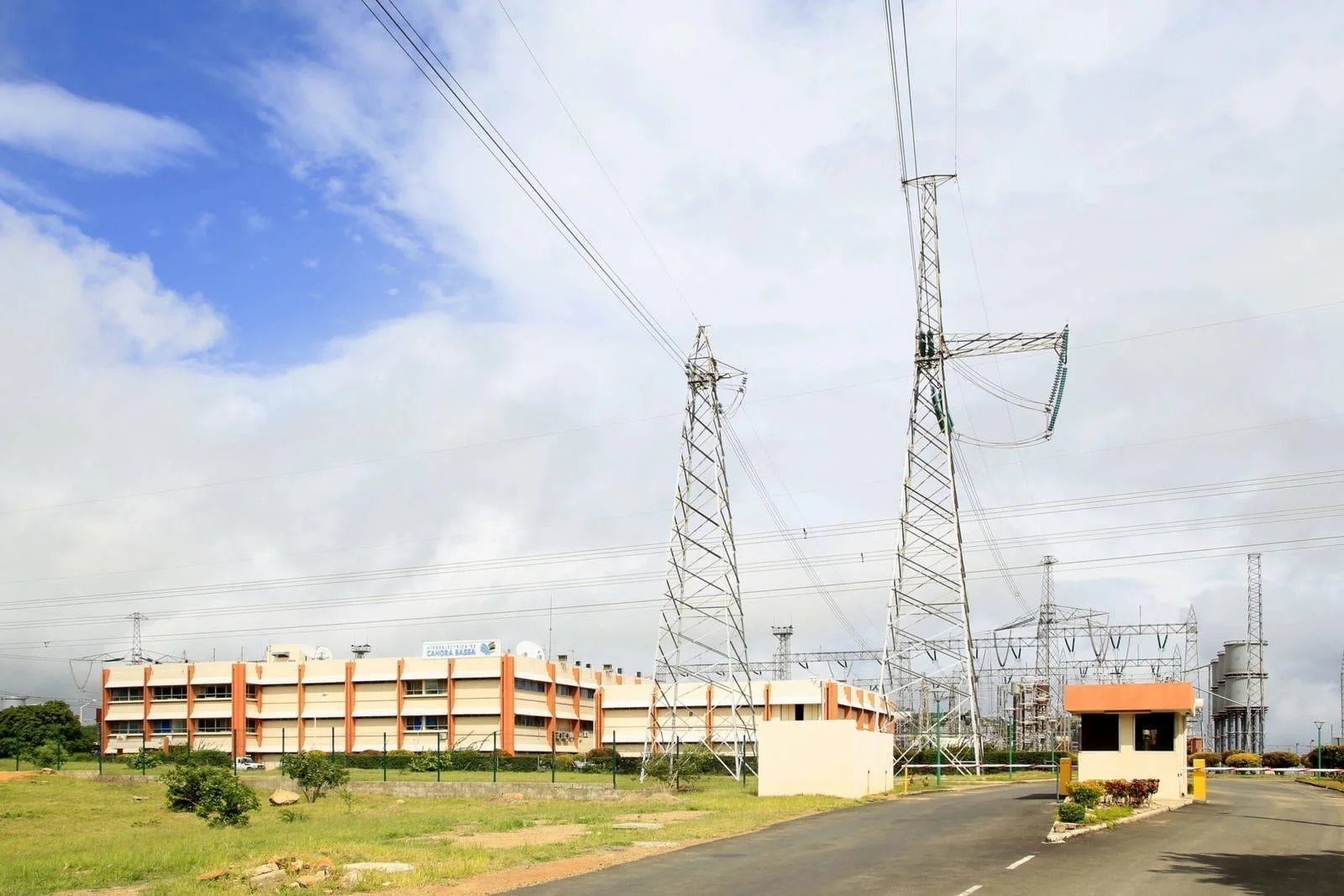
Electricidade de Moçambique (EDM) has announced scheduled power outages for Saturday, 31 October, and Sunday, 1 November, affecting several areas of Maputo City and the provinces of Gaza, Sofala, Manica and Zambézia, as part of preventive and corrective maintenance work on electricity infrastructure.

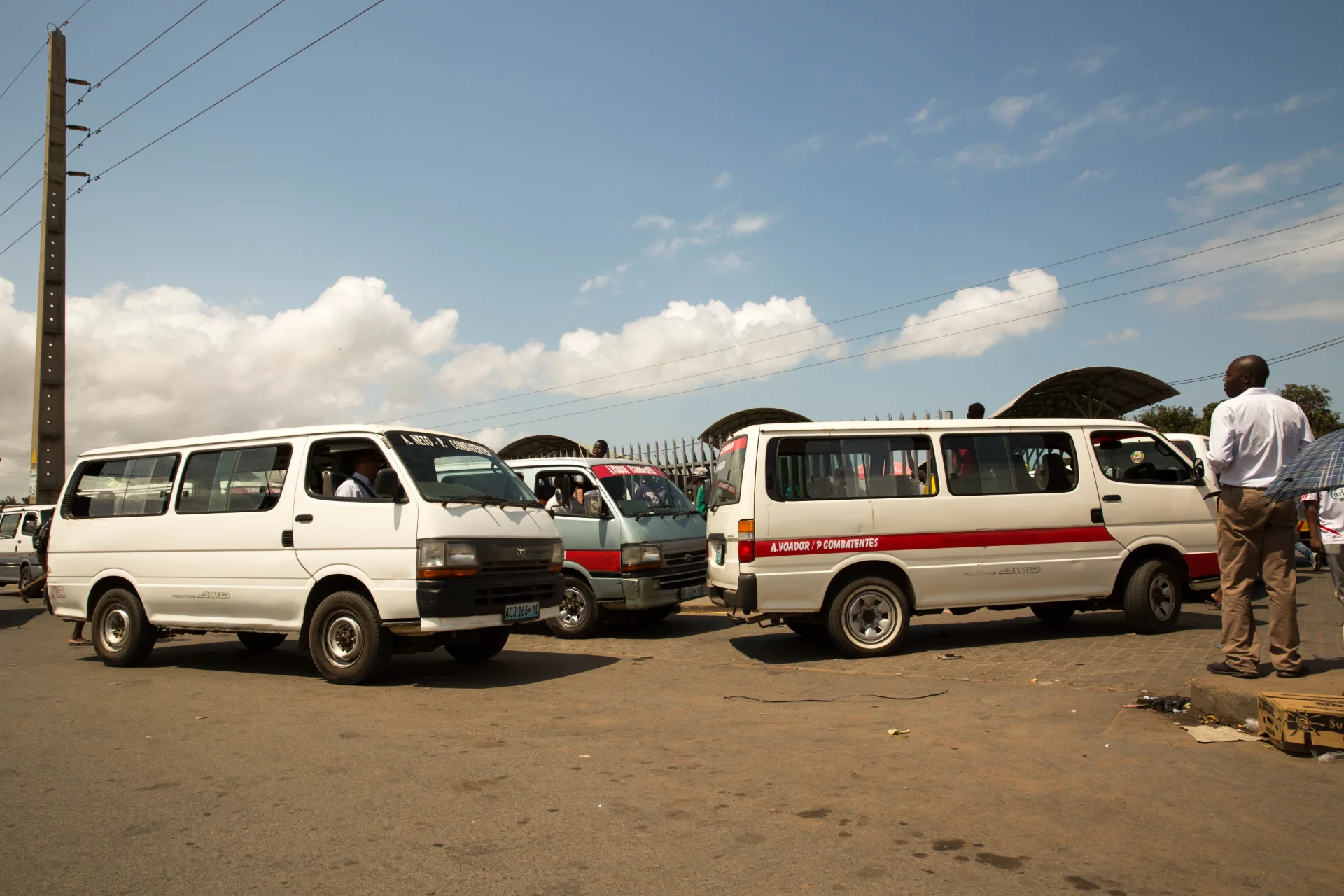
The Mozambican Government and the Mozambican Federation of Road Transport Operators' Associations (FEMATRO) have reached an agreement to increase fares for semi-collective passenger transport services in the Greater Maputo metropolitan area by five meticais, with the new rates expected to take effect on 7 November 2026.

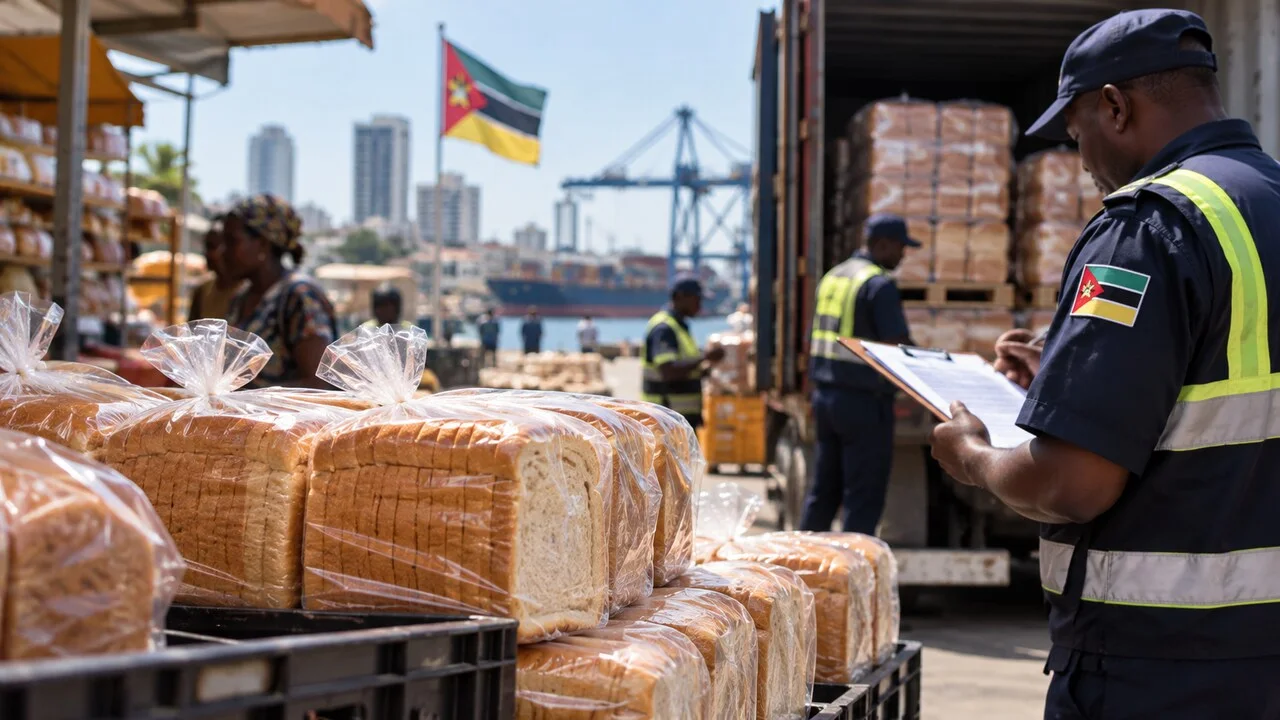
The Mozambican Government has approved new restrictions on the importation of sliced bread, introducing mandatory prior licensing, specific fees and limits on imported quantities as part of measures aimed at protecting the domestic bakery industry and stimulating local production. The new regulations will take effect on 27 November 2026.

Choose BNEWS as a preferred source and see more of our reporting when you search on Google.
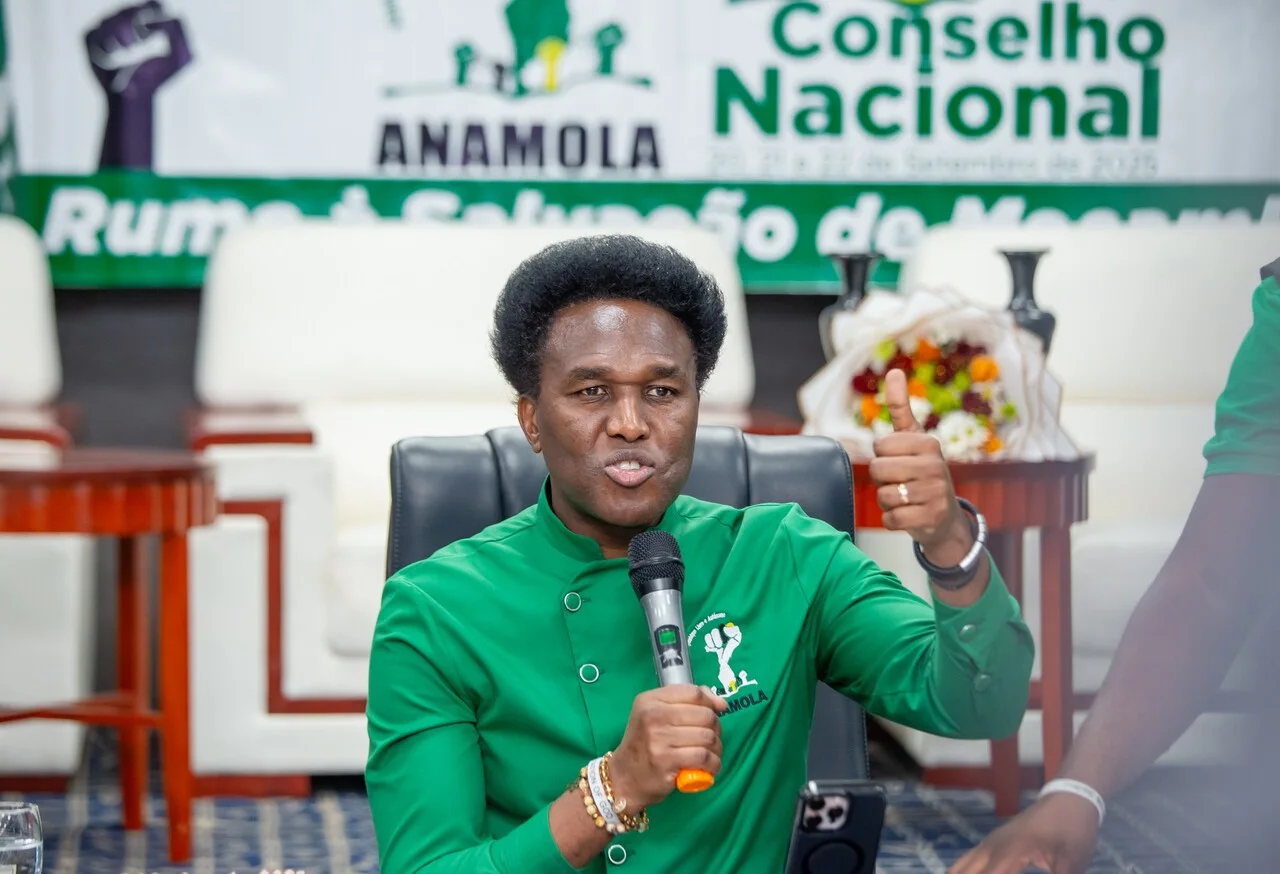
Mozambican politician Venâncio Mondlane has pledged to expose alleged irregularities and political interference in state institutions during his trial, scheduled for 17 November at the Supreme Court, describing the proceedings as an opportunity to reveal what he claims are mechanisms of political influence over Mozambique's justice system.

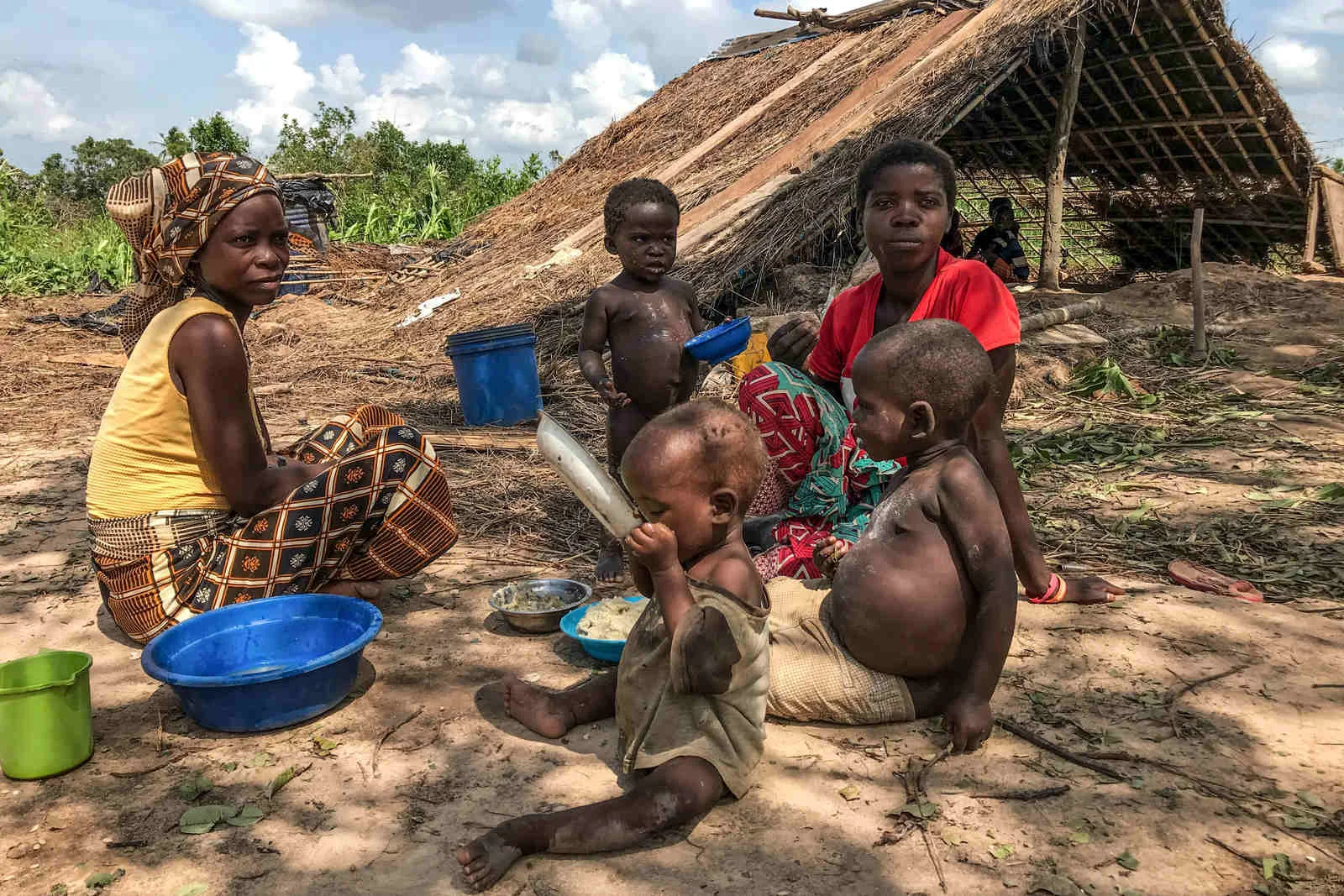
More than 1.8 million Mozambicans could face severe food insecurity between October 2026 and March 2027 due to the combined effects of drought associated with the El Niño phenomenon, armed conflict and dwindling food reserves, humanitarian organisation CARE Mozambique warned on Friday (30 October).

Mozambique's Parliament approved three International Labour Organization (ILO) conventions on Friday (30 October), aimed at strengthening the protection of Mozambican workers abroad, combating labour exploitation and regulating private employment agencies, amid growing demand for job opportunities outside the country.

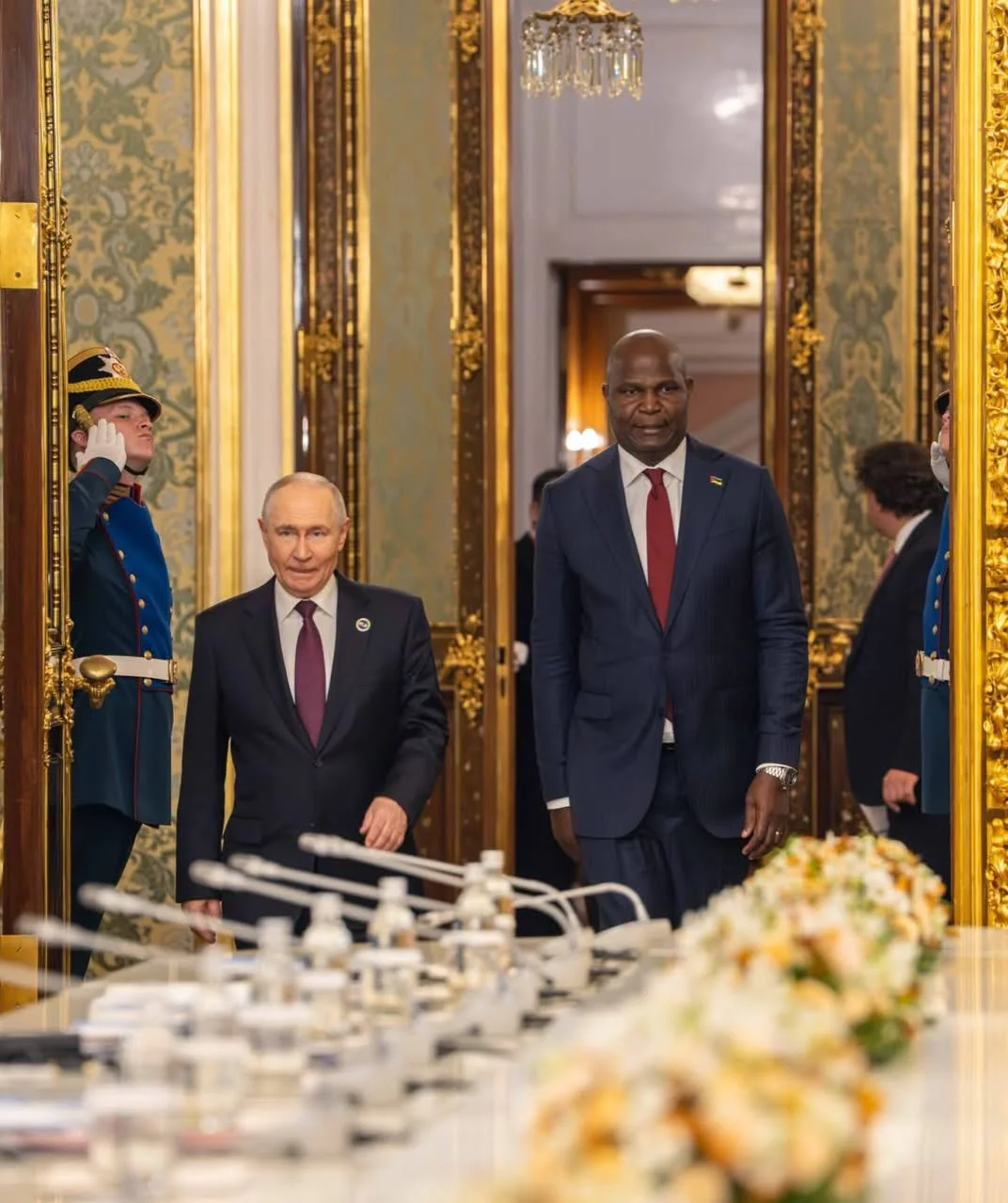
Mozambique's participation in the Third Russia-Africa Summit has opened up new prospects for economic, technological and digital cooperation with the Russian Federation, as the Government seeks to attract investment, promote technology transfer and accelerate the structural transformation of the national economy.

Carregando mais actualizações