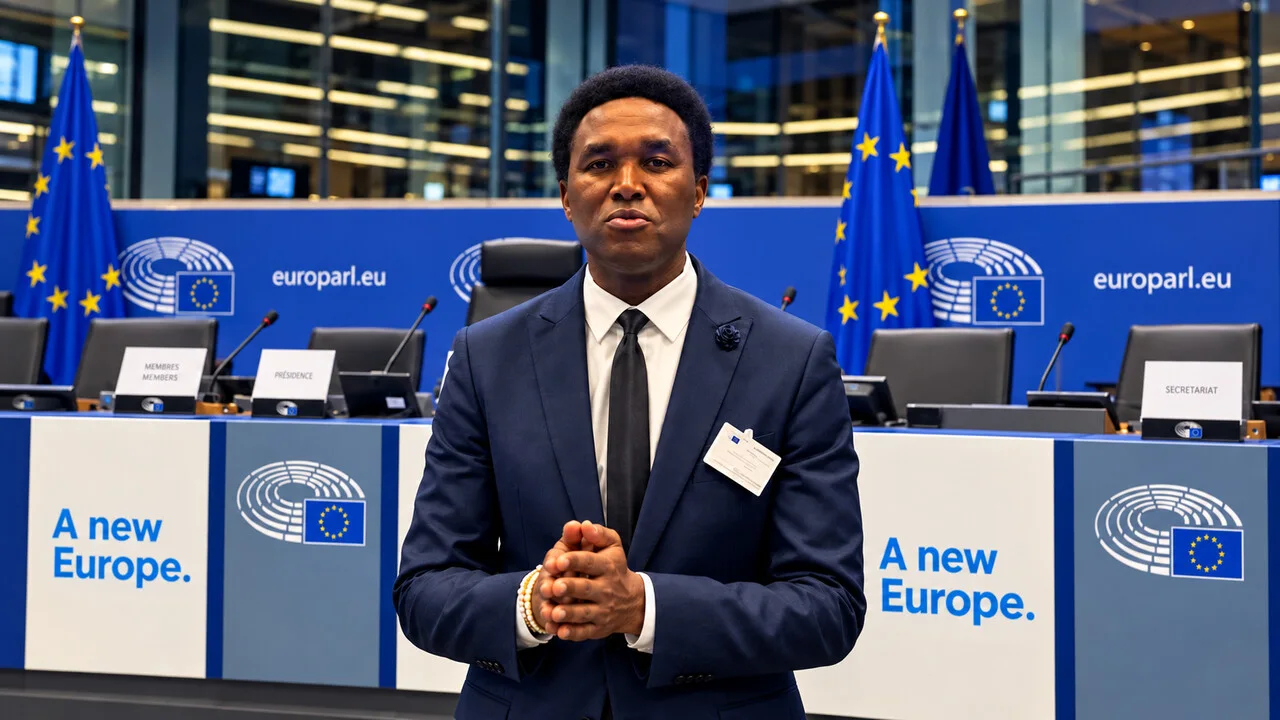
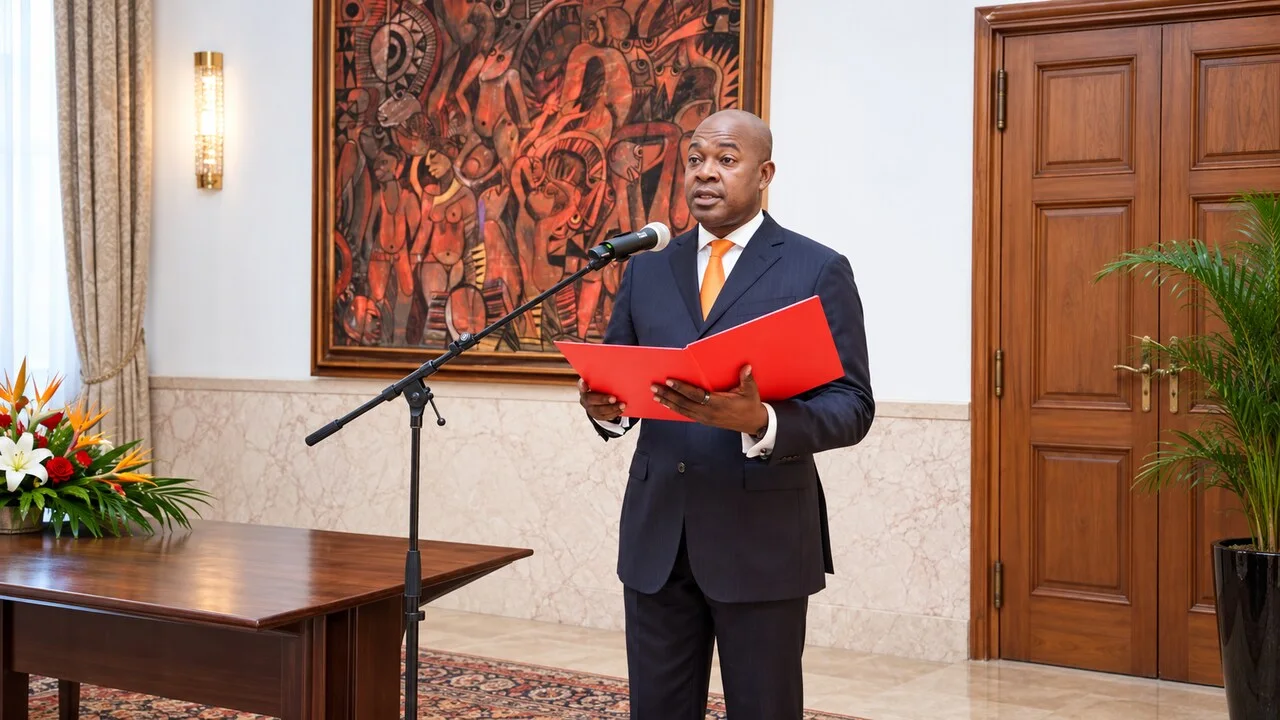
Mondlane visited the European Parliament in Strasbourg, France, where he held meetings with MEPs, including members of the Renew Europe group, raising issues related to human rights, political rights and the events that followed Mozambique’s October 2024 general elections.
The European visit comes as the ANAMOLA leader faces proceedings before Mozambique’s Supreme Court over alleged crimes linked to the post-election demonstrations he called after rejecting the official results of the presidential election.
His trial had initially been scheduled to begin on 6 October but was postponed following a request from his defence team. A new date has yet to be announced.
During an interview while in Europe, Mondlane rejected accusations that he had encouraged violence during the protests, saying he has sufficient evidence to support his defence.
“I never incited violence. On the contrary, I have more than enough evidence from several of my interventions showing exactly the opposite,” Mondlane said.
According to the opposition leader, the protests he led had two central objectives: demanding answers over politically linked killings and challenging the results of the 2024 elections.
“Our struggle, our protest, was clear and had two objectives. It began as a protest over extrajudicial executions and the killing of our members, with Elvino being the first, and the second issue was electoral truth,” he said.
Elvino Dias, Mondlane’s lawyer and political adviser, and Paulo Guambe, an official of the Optimistic Party for the Development of Mozambique (PODEMOS), were shot dead in Maputo in the early hours of 19 October 2024.
The killings occurred amid heightened political tensions, days after the general elections and shortly before a new wave of demonstrations began.
Mondlane also argued that the demonstrations called following the electoral process represented, in his view, the exercise of rights guaranteed under Mozambique’s Constitution, rejecting claims that his statements amounted to incitement to criminal activity.
“A demonstration is a constitutional right, a basic right, it is fundamental. So what we are doing is exactly exercising that right, making use of a constitutional right,” he said.
The ANAMOLA leader further argues that the authorities improperly applied criminal charges to his actions.
“It has nothing to do with incitement or instigation. It has absolutely nothing to do with that,” Mondlane said, adding that, in his view, criminal offences were “forced into categories that are not associated with the facts that occurred.”
Mozambique’s Public Prosecutor’s Office takes a different position. Mondlane faces charges including public advocacy of crime, incitement to collective disobedience, public instigation to commit crimes, instigation of terrorism and incitement to terrorism, all linked to the protests that followed the 2024 elections.
Mondlane finished second in the official results of the 2024 presidential election after standing with the backing of PODEMOS. The Constitutional Council’s final results gave Daniel Chapo 65.17% of the vote and Mondlane 24.19%, an outcome Mondlane rejected.
He later moved forward with the creation of ANAMOLA, which he currently leads and intends to establish as a new political force in Mozambique.
In Europe, Mondlane is now seeking to bring these issues directly before European political figures and institutions. His visit to the European Parliament forms part of a wider European tour involving meetings with political leaders before his planned return to Mozambique.
Mondlane has said he will return to the country to focus on preparing his defence ahead of the Supreme Court trial.
The European Parliament has previously followed developments surrounding Mozambique’s political situation. Issues related to political dialogue, electoral reforms, human rights and Mondlane’s participation in Mozambique’s political process have previously been raised within European institutions.