The warning is contained in the Ministry of Finance’s 2027 Fiscal Risk Report, which forecasts one of the most severe El Niño events recorded since 1950.
El Niño is a climate phenomenon that changes normal rainfall and temperature patterns. In Mozambique, it could lead to below-normal rainfall in the central and southern regions while increasing the risk of heavy rains, floods and flooding in the north.
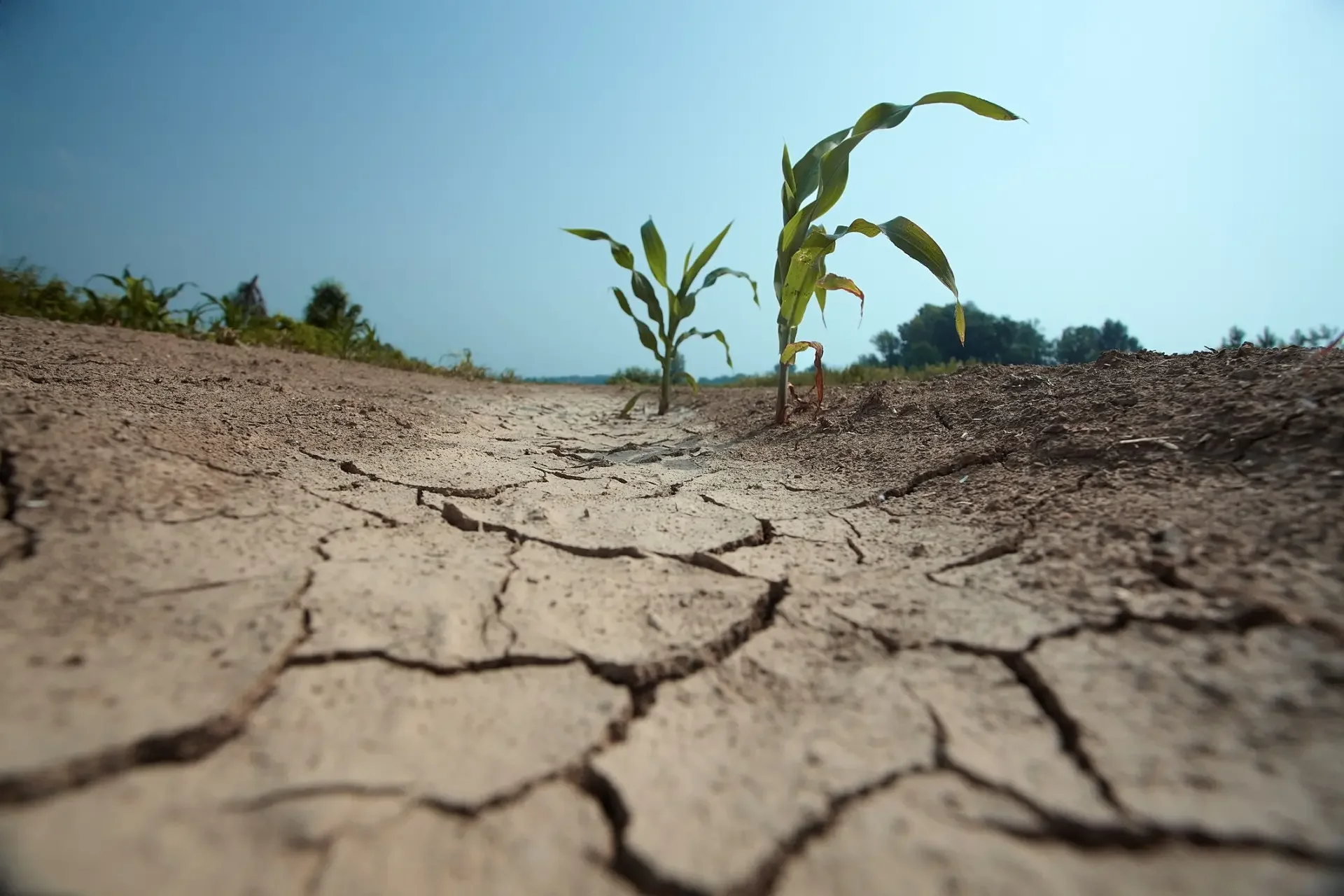
According to the Government, 76 semi-arid districts in the central and southern regions are particularly exposed to the risk of severe drought, which could damage crops and reduce food production.
Lower rainfall could also worsen food insecurity, affect electricity generation and increase the need for assistance to affected families.
In northern Mozambique, where normal or above-normal rainfall is expected, the risk of floods, cyclones and storms is expected to increase during the rainy season, which runs from October to April.
In addition to the impact on families, the Government estimates that a severe season could cost the State around 18.4 billion meticais due to increased spending on health, humanitarian assistance, social protection and infrastructure reconstruction.
In an even more serious scenario, involving widespread drought in the central and southern regions and cyclones or floods in the north, costs could approach 35 billion meticais.
The report also warns that these climate events could increase public debt and make it more difficult for the Government to meet its financial targets for 2027.
In response to the risks, the Government is calling for stronger disaster preparedness and response mechanisms, including emergency reserves, insurance and other financing instruments designed to provide rapid support to affected communities.