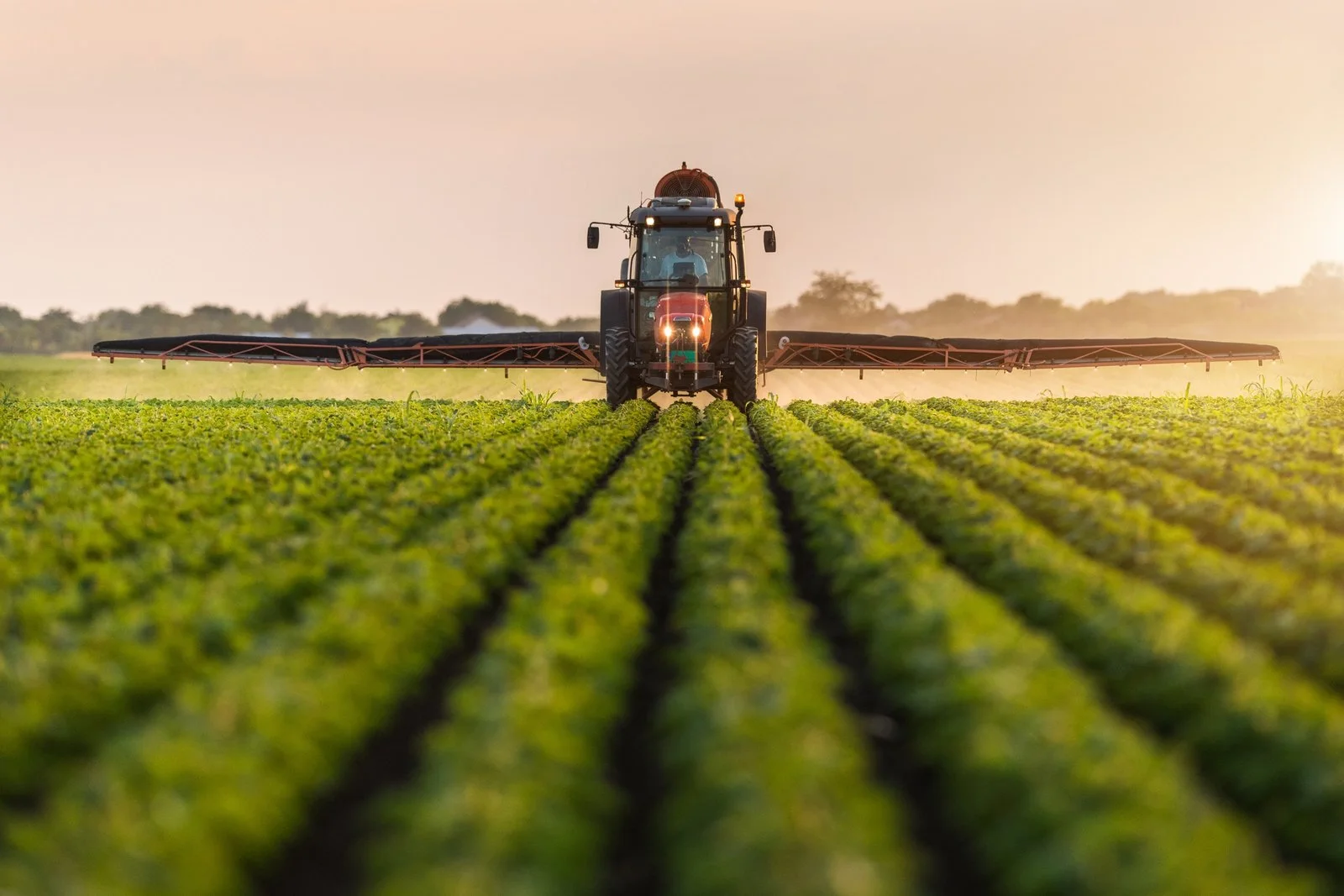
Preliminary data from the National Directorate of Agriculture point to an increase of around 2% in cereal and legume production by the end of the season, while vegetable production could grow by about 7%.
The preliminary assessment was presented by the National Director of Agriculture, Jabula Zibia, who explained that production during the second farming season helped recover part of the losses recorded earlier in the campaign.
Rice production, however, is expected to follow a different trend, with an estimated decline of around 5%. According to Zibia, the decrease is mainly linked to floods that affected production areas in Gaza and Sofala provinces.
Despite the losses, interventions carried out to support affected farmers helped restore part of the lost production capacity. Measures included replanting, the use of alternative farming areas and increased production during the second season.
At the start of the campaign, Mozambique expected to produce around 3.4 million tonnes of cereals, which would represent a 7% increase compared with the previous season.
The projections also included about 929,000 tonnes of legumes and more than 10 million tonnes of roots and tubers.
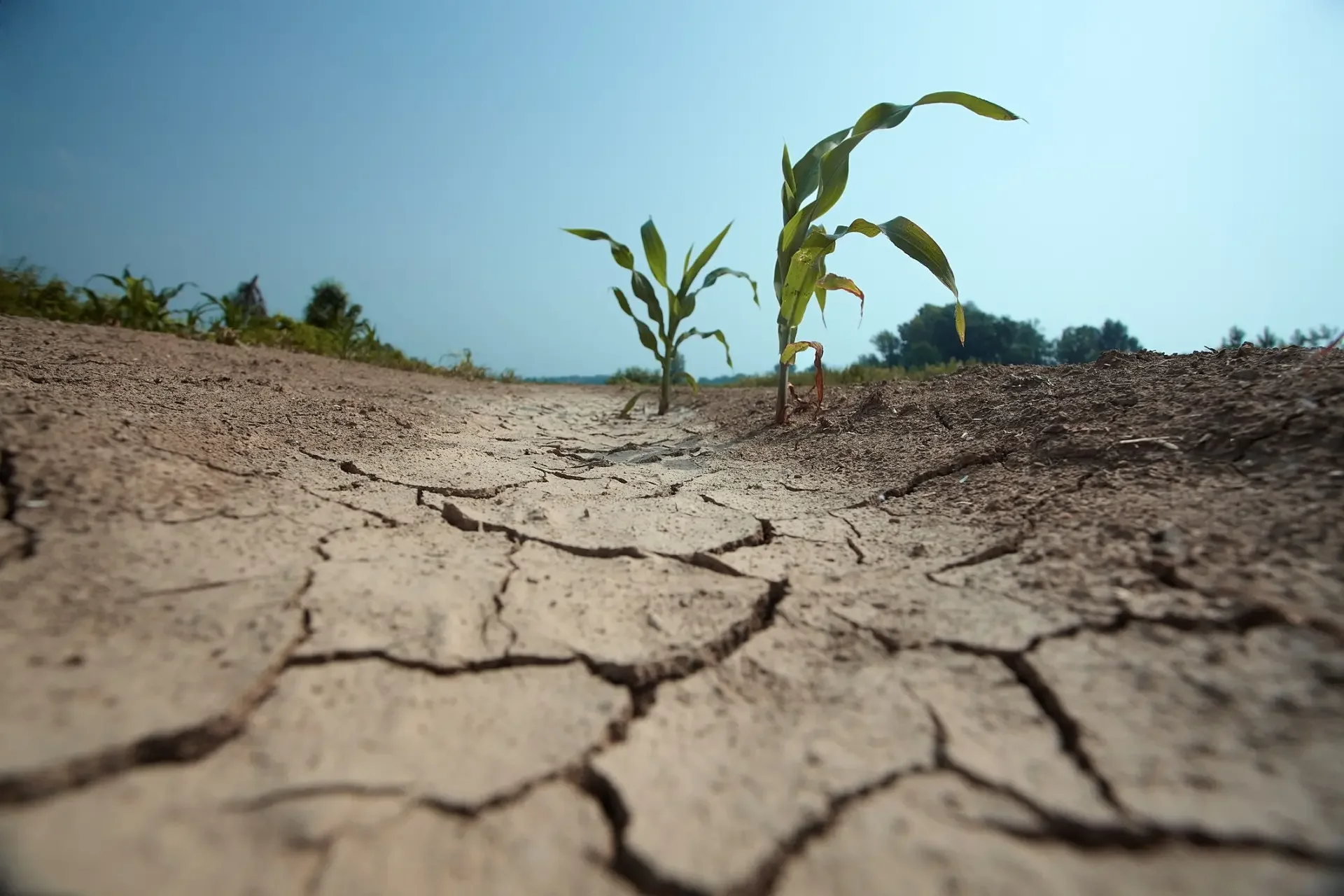
Weather conditions, however, forced expectations to be revised in several areas. The rainy season began earlier than average across much of the country but was delayed in some areas, including parts of Sofala, Inhambane and Gaza.
Heavy rainfall and flooding later affected agricultural areas, causing losses and prompting the Government to adopt recovery measures.
In May, the Government announced a plan valued at around 120 million US dollars to respond to the effects of the floods on the agricultural sector and support the recovery of production.
Despite the preliminary recovery, the national figures do not mean that all affected families have fully recovered the losses caused by the floods.
Vegetable production, which is expected to rise by around 7%, may benefit from multiple production cycles throughout the year, depending on the type of crop and the availability of water.