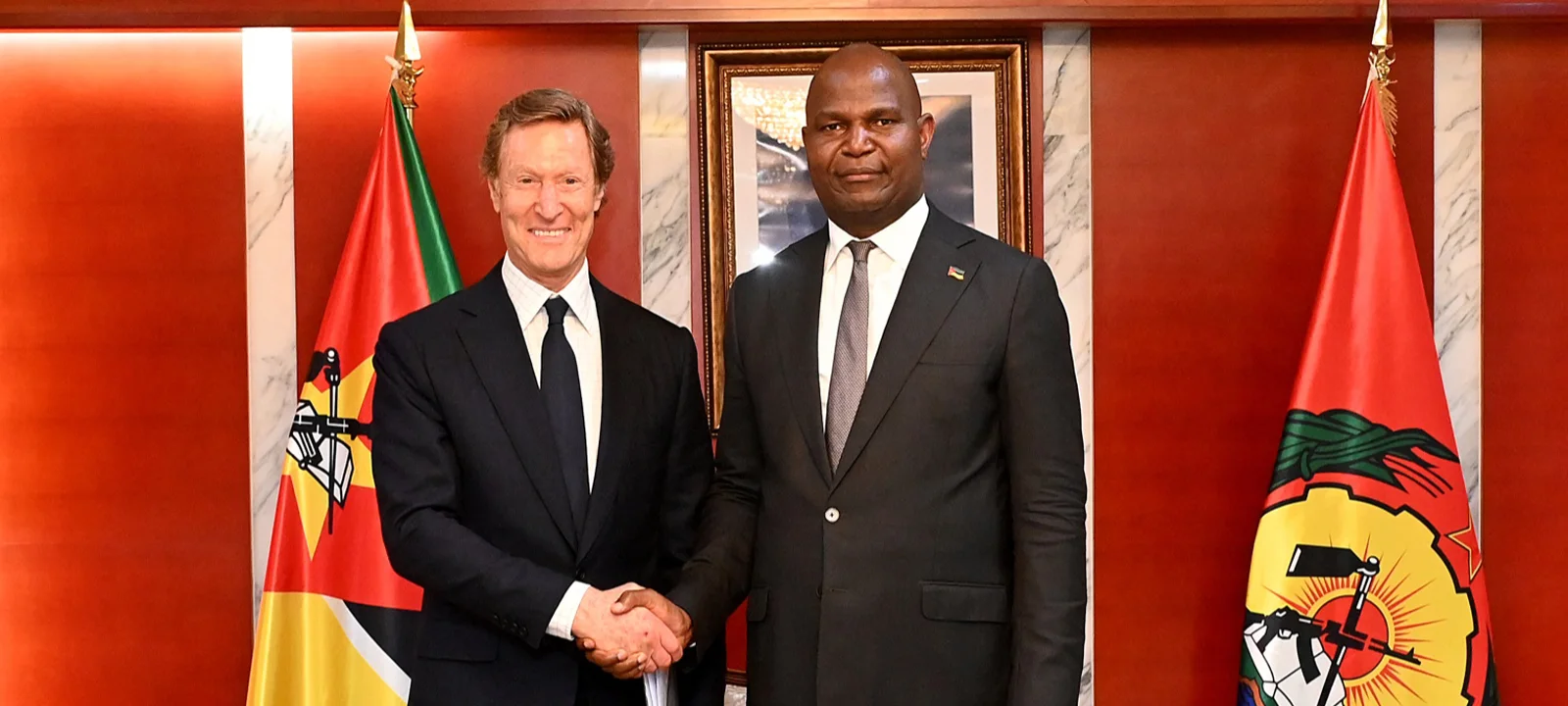
The announcement was made this Wednesday (16) in Maputo by the Secretary of State for Trade, António do Rosário Grispos, during the opening session of the debate entitled “Structural Transformation Towards Economic Independence”, organised by the Confederation of Economic Associations of Mozambique (CTA).
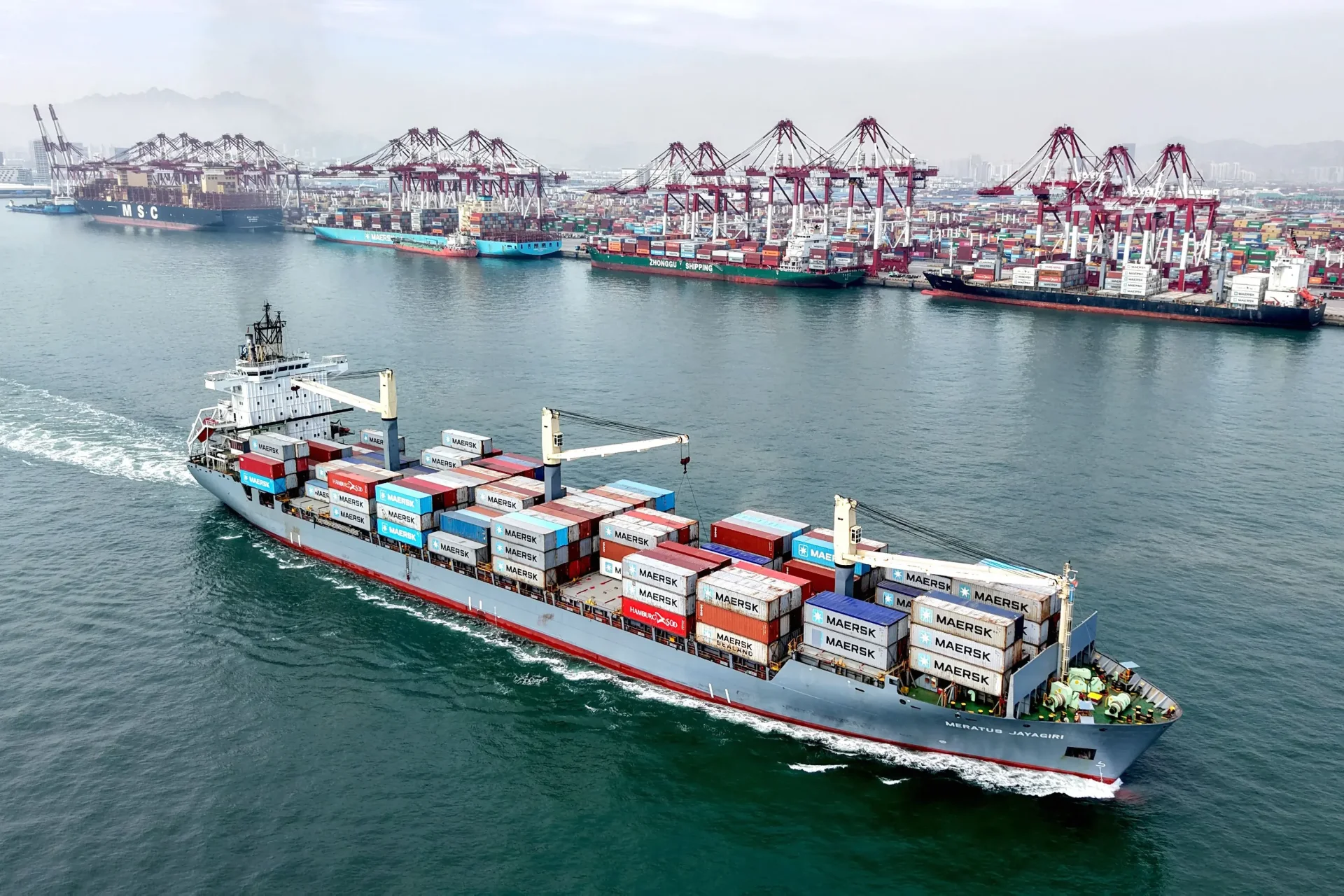
According to the official, the new model will require economic operators to first verify whether the product they intend to import is available on the Mozambican market and in what quantity before sourcing it from abroad.
“Before we import, we are going to consume Mozambican products. If we only produce 10, but the country’s consumption is 20, we will first consume the 10,” António Grispos said.
According to the Secretary of State, the rules governing import licences for goods considered strategic are expected to change from 2027.
“Import licences for strategic goods next year will not be the same. You will have an import licence, but authorisation will depend on whether you have exhausted your search on the domestic market,” he explained.
In practice, whenever sufficient local production exists, importers will first have to turn to domestic suppliers. Imports will be used only to cover the gap between what the country is able to produce and market demand.
“First, you will have to check whether the domestic market has the product. When the domestic market does not have it, either because of limited capacity or because supplies have been exhausted, then we will apply the difference mechanism. That is when we import,” Grispos said.
The official argued that Mozambique should continue importing goods it does not have the capacity to produce domestically, particularly strategic products, but said it makes little sense to maintain the same level of imports in sectors where local production already exists.
“We will continue to import, but the idea is to import what we do not produce and to import what makes a difference, so that the foreign currency we need can be allocated to goods that we do not have the capacity to produce and to strategic goods,” he said.
Grispos cited mineral water, pasta and eggs among the products that, in his view, can increasingly be produced domestically.
“We do not have to import mineral water. We do not have to import pasta. We do not have to import eggs,” he stated.
The Secretary of State explained that the policy is also intended to create a more predictable market for businesspeople who decide to invest in domestic production. By reducing direct competition from certain imports, the Government wants to turn local demand into a form of market guarantee for domestic producers.
“The market is there. The Government is saying: ‘The market is yours. Grow with the market,’” Grispos said.
The Government expects the measure to encourage companies currently focused mainly on imports to also move into production, including through partnerships with their foreign suppliers.
Grispos argued that businesspeople should take advantage of the new policy to establish production units in Mozambique, increase local value addition and create more jobs.
“If before we only imported, start daring a little more. We have to produce. We have to reduce the level of imports,” he said.
The Government is also seeking financing mechanisms to support the investments needed to replace imports with domestic production.
According to the Secretary of State, discussions are already under way with financial institutions, including Standard Bank, to provide credit lines aimed at establishing industries in sectors covered by the new policy.
“We have now secured the support of banks, Standard Bank and others, which, for each product that we are closing off, will provide a financing line for the creation of industries,” he revealed.
During his intervention, Grispos also explained that the list of products subject to restrictions will not be fixed and may be expanded as the country develops production capacity in new sectors.
“That list is not exhaustive. It is, first of all, illustrative,” he said, adding that new products could be included as businesses demonstrate the capacity to supply the domestic market.
The official also indicated that the Government is assessing sectors such as syringe production, medical saline, the textile industry and other goods with potential to replace imports.
Regarding the textile industry, Grispos said the Government intends to promote its revival at a time when Mozambique continues to import large quantities of second-hand clothing.
“We want the revival of the textile industry,” he said, revealing that there are investors interested in the sector and calling for greater participation by Mozambican businesspeople.
The Government’s strategy is part of a broader industrialisation and gradual import-substitution policy aimed at increasing domestic production, creating jobs, reducing foreign currency outflows and giving more space to goods produced in Mozambique.
For Grispos, however, the success of the strategy will depend on the private sector’s ability to turn the new market-protection measures into concrete investment in production.
“The only way for you to survive is for the Government to support you with an import-restriction policy. To turn the Mozambican market into a natural offtake market for those who want to invest, for those who want to produce,” he concluded.