The plan is estimated at around $401 million and will cover areas including water supply, agriculture, livestock, fisheries, health, education, social protection and food assistance.
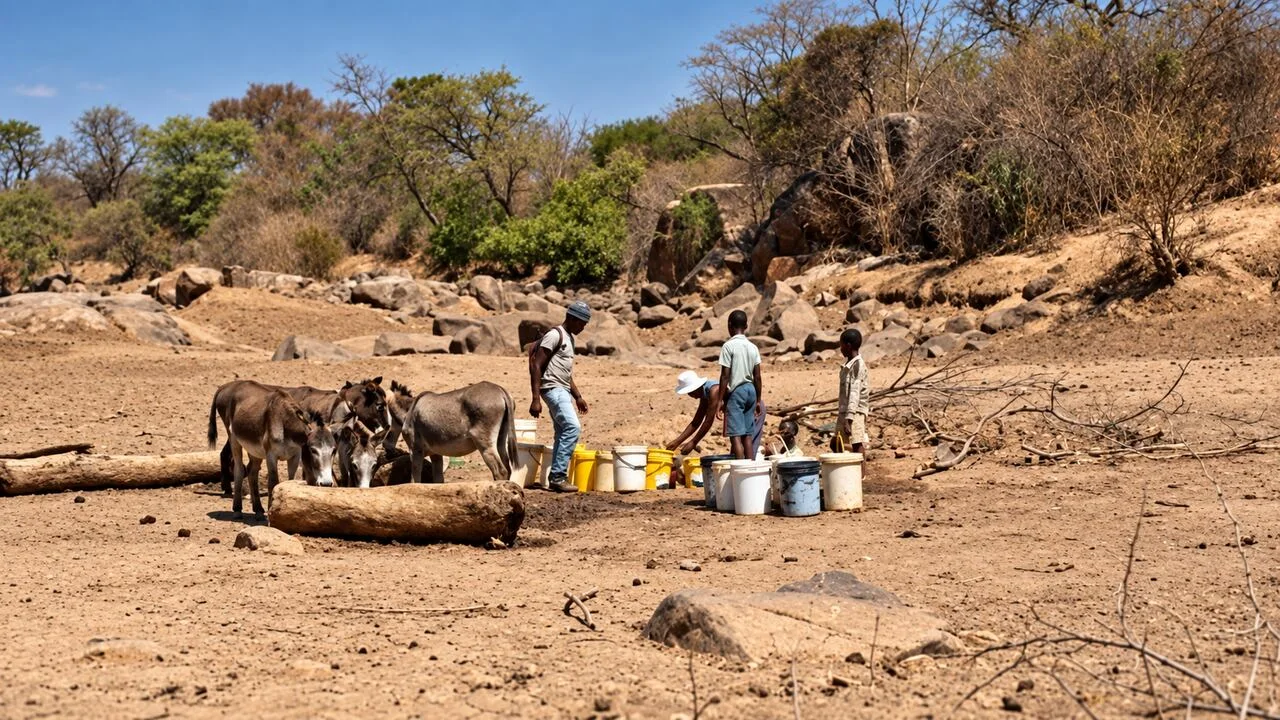
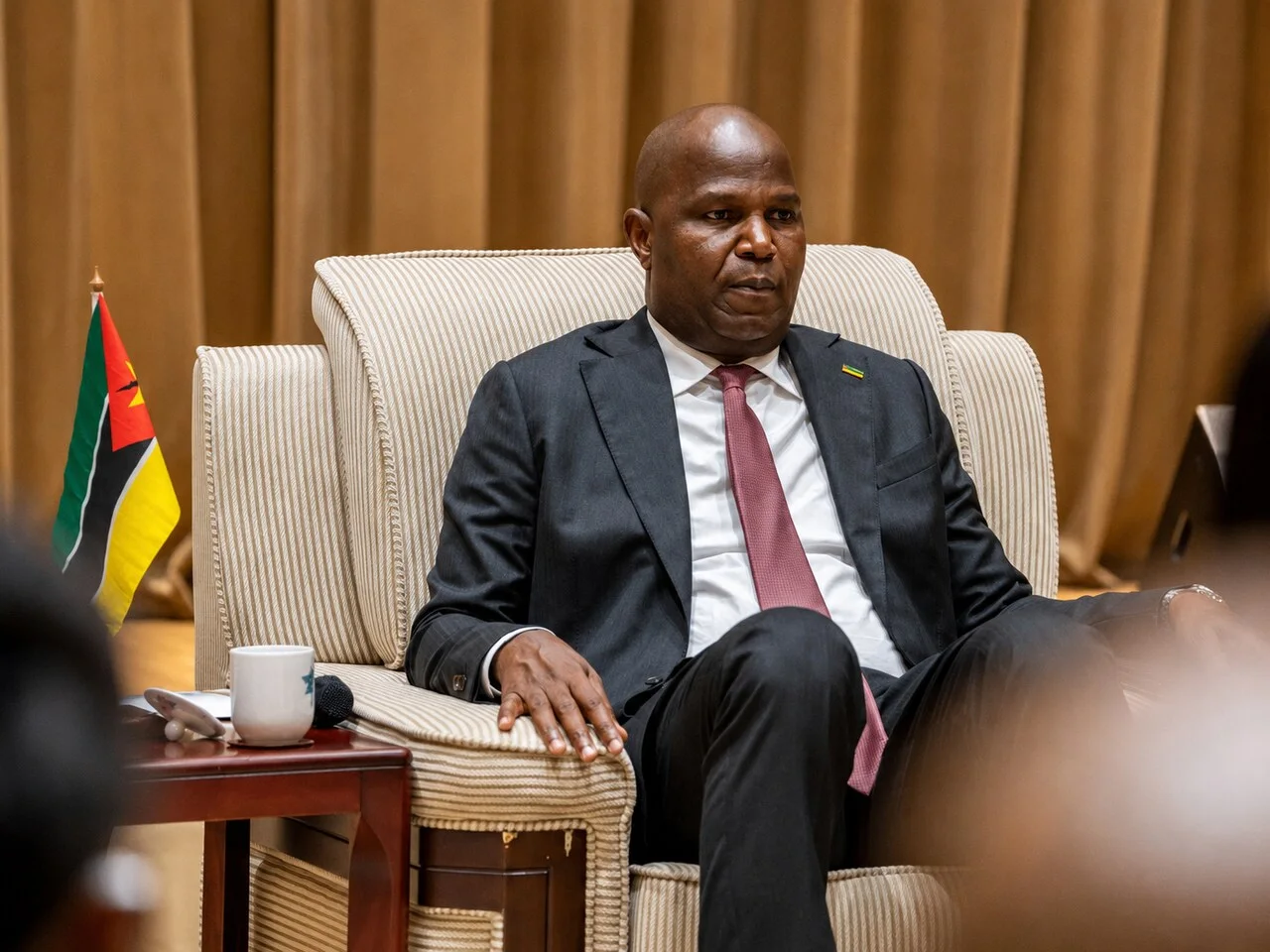
According to the Minister of Public Works, Housing and Water Resources, Fernando Rafael, forecasts point to a significant reduction in rainfall, prolonged dry spells and, in some cases, episodes of intense rainfall.
“The Government is aware of the scale of this challenge and has therefore decided to act before the most severe effects are felt,” he said.
Of the total amount required to implement the plan, around $125 million has already been secured through external support, leaving approximately $276 million still to be mobilised.
The Government plans to provide emergency food assistance to 343,773 people, equivalent to around 68,755 families.
Social protection measures are expected to reach approximately 234,000 families, while interventions in the agricultural sector are planned for more than 155,000 farmers and about 90,500 livestock breeders.
Planned measures include the construction and rehabilitation of water supply systems, dams, reservoirs and boreholes, as well as the distribution of drought-resistant seeds.
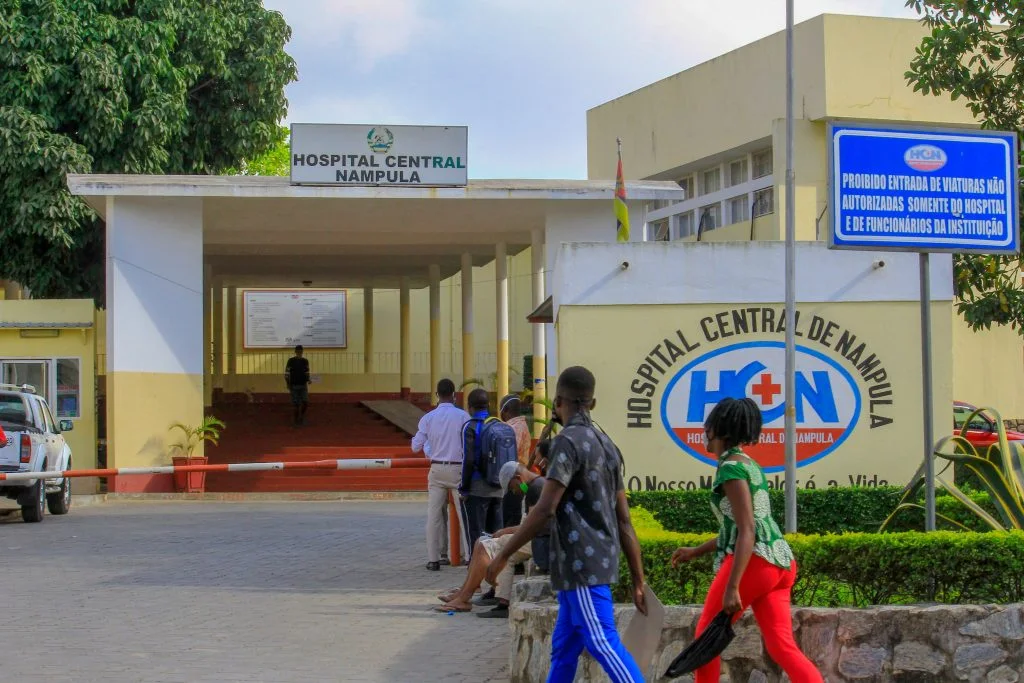
The plan also includes measures to protect livestock, strengthen school feeding programmes and provide nutritional and health assistance to the most vulnerable communities.
According to the Government, the response will be implemented in phases, beginning with preparedness and immediate response, followed by recovery and stabilisation in affected areas.
Authorities have already warned of possible impacts in at least 52 districts across southern and central Mozambique.
A technical assessment coordinated by the Technical Secretariat for Food and Nutrition Security indicates that acute food insecurity could affect 1.84 million people by March 2027.