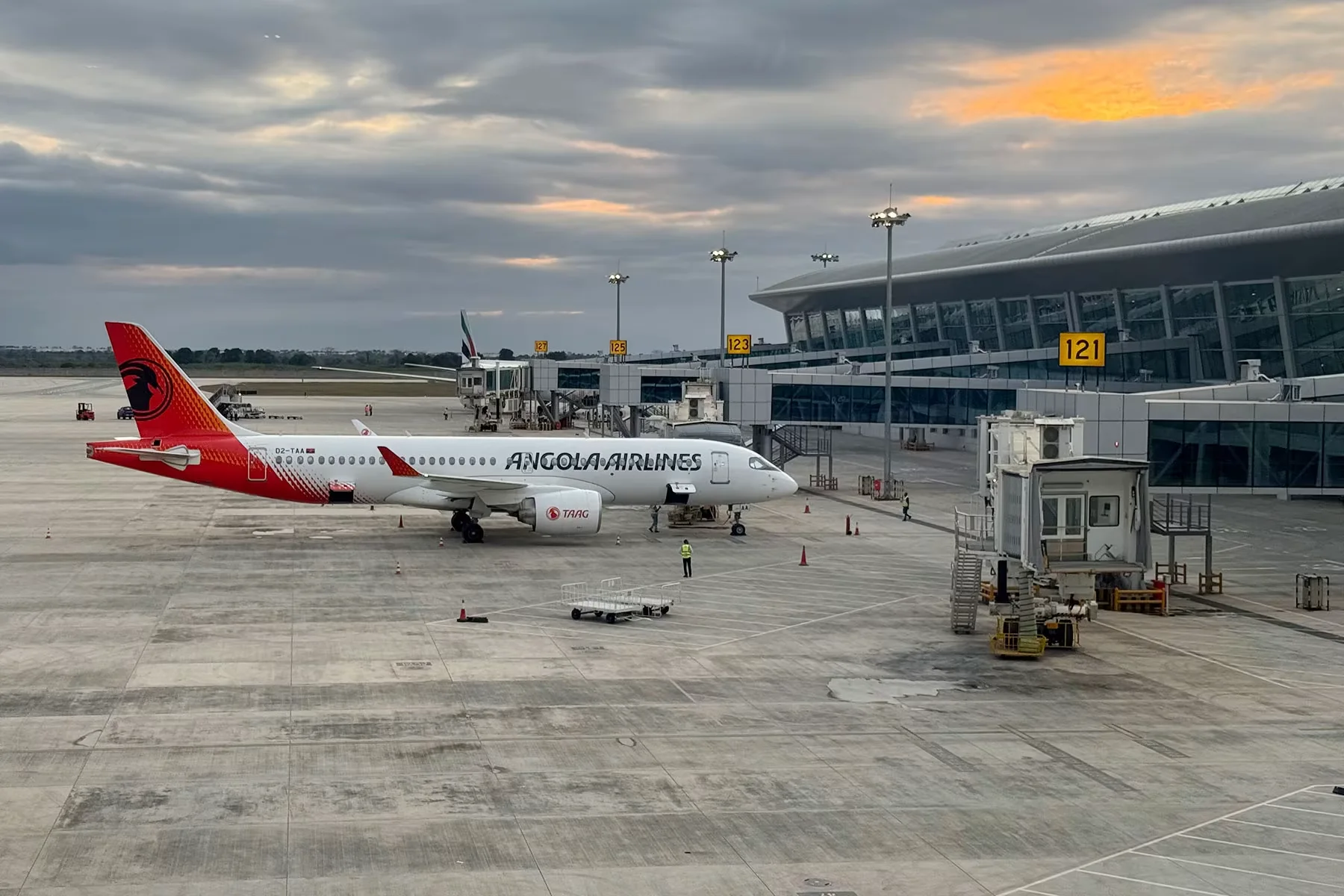
During the first nine months of the year, the airline transported around 966,500 passengers, approximately 51,000 more than in the same period of 2025.
According to the Angolan carrier, the increase was supported mainly by the performance of international operations, while the domestic market recorded a decline in demand.
Intercontinental routes posted the strongest growth, with 339,300 passengers transported, representing a 21.4% increase compared with the same period a year earlier.
Lisbon remained one of TAAG’s main destinations, with 245,300 passengers carried, while São Paulo recorded 83,500 passengers.
On the regional network, the airline transported 272,200 passengers, an increase of 16.8%. Routes to Johannesburg and Cape Town, in South Africa, were among the most popular, with 76,600 and 67,500 passengers respectively.
By contrast, the domestic market recorded an 11.9% decline, with TAAG transporting 354,900 passengers on internal routes.
The airline said the drop was accompanied by a 13.2% adjustment in the capacity available in the domestic segment.
As part of measures aimed at improving domestic operations, TAAG highlighted the positive performance of the Cabinda route following the introduction in September of a new ticket sales model operating exclusively through the airline’s official channels.
Across the network, the company’s available capacity increased by 11.3% year-on-year, measured in available seat kilometres.
TAAG Chairman Clóvis Rosa said the results represented a positive sign in the airline’s transformation and modernisation process.
According to Rosa, growth on regional and intercontinental routes reflects efforts to strengthen operations, modernise the airline and improve air connectivity.
Despite the positive performance in international traffic, the company acknowledges that important challenges remain in its transformation process and in strengthening domestic operations.