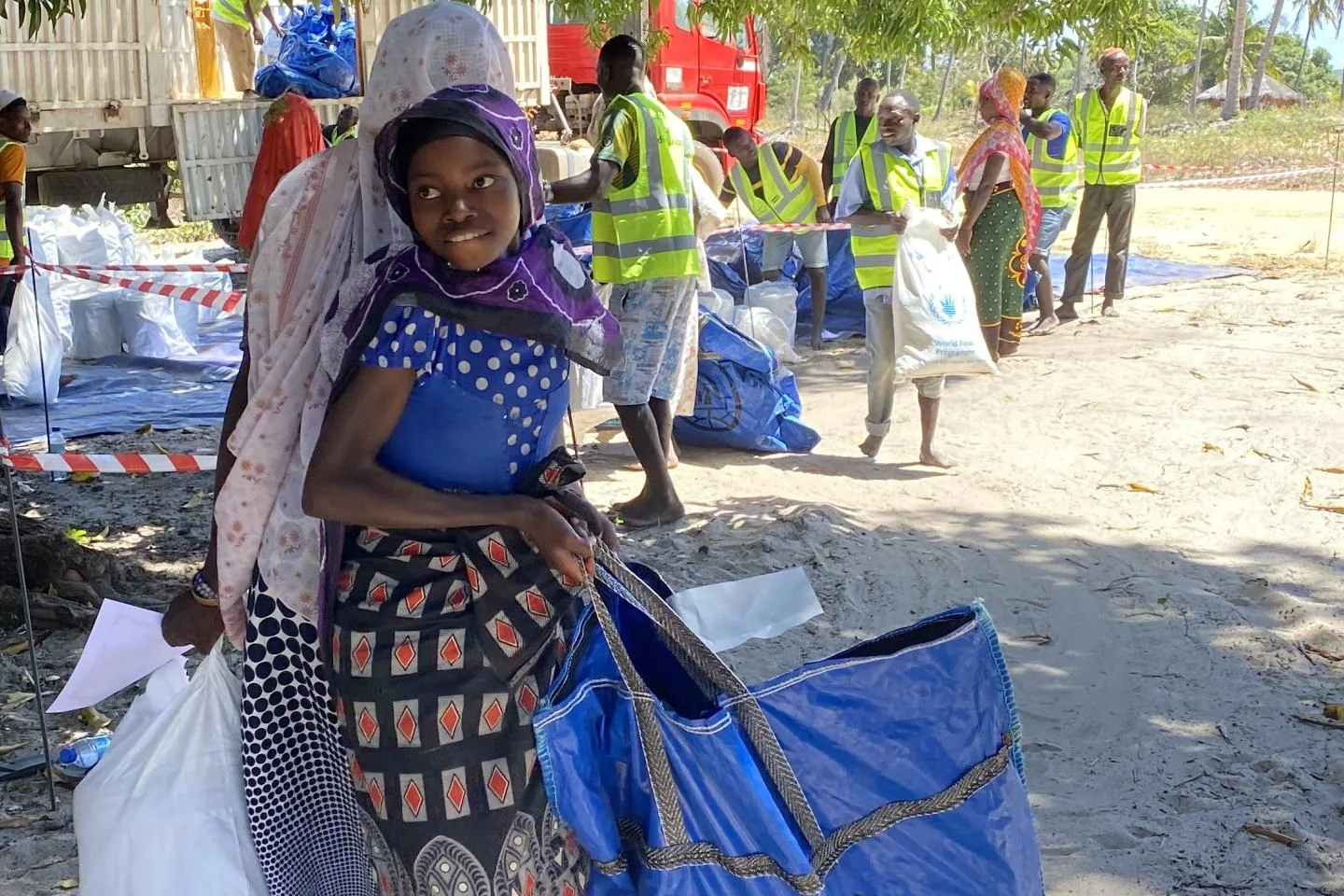
According to recent data from the Health Cluster Mozambique, a mechanism coordinated by the World Health Organization (WHO), the 2026 humanitarian health response is targeting around 410,000 people across the three provinces.
By the end of August, health sector partners had reached 280,544 beneficiaries, equivalent to about 69% of the annual target.
Assistance is concentrated in districts where thousands of families continue to face difficulties accessing health facilities, medicines and basic healthcare services.
Humanitarian needs remain high, mainly due to the conflict in Cabo Delgado, recurrent displacement and the cumulative impact of extreme weather events.
Insecurity also continues to limit humanitarian access to some communities, while several health facilities face operational constraints.
Mobile Clinics Expand Access
In response to these limitations, humanitarian organisations have increasingly relied on mobile clinics to deliver healthcare services to displaced people, returnees and host communities.
In August alone, more than 30,000 medical consultations were carried out through mobile clinics in Cabo Delgado and Nampula.
The International Organization for Migration provided more than 26,000 health consultations across seven districts covered by the humanitarian response, including mental health and psychosocial support services.
Action Contre la Faim also provided medical assistance in communities in Mueda district, including consultations for children and pregnant women.
The humanitarian response prioritises primary healthcare, vaccination, maternal and reproductive health, epidemiological surveillance, treatment of common illnesses and psychosocial support.
Conflict Increases Pressure on Health Services
The armed conflict in Cabo Delgado remains one of the main factors driving health needs in northern Mozambique.
Violence has caused new waves of displacement and disrupted continuity of care, particularly affecting women, children, internally displaced people and those living with chronic illnesses.
Access to essential services remains constrained in some areas because of insecurity, humanitarian access restrictions and limited resources.
Poor access to clean water, sanitation and adequate shelter among some displaced communities also increases the risk of outbreaks of communicable diseases.
Funding Remains Limited
The humanitarian health response is also facing financial constraints.
The 2026 response plan estimates that around 16 million US dollars will be required to provide assistance to affected populations.
Humanitarian partners warn that funding shortages, combined with security and access challenges, could undermine the continuity and expansion of services for the most vulnerable communities.
The Health Cluster brings together national authorities, United Nations agencies and humanitarian organisations to coordinate emergency health responses and reduce gaps in assistance to affected populations.