The planned purchase includes a Mercedes-Benz valued at around 27.8 million meticais and a Hyundai Palisade worth 18 million meticais. A Toyota Hilux and a Toyota Hiace are also included, bringing the total value of the acquisition to approximately 49.5 million meticais.
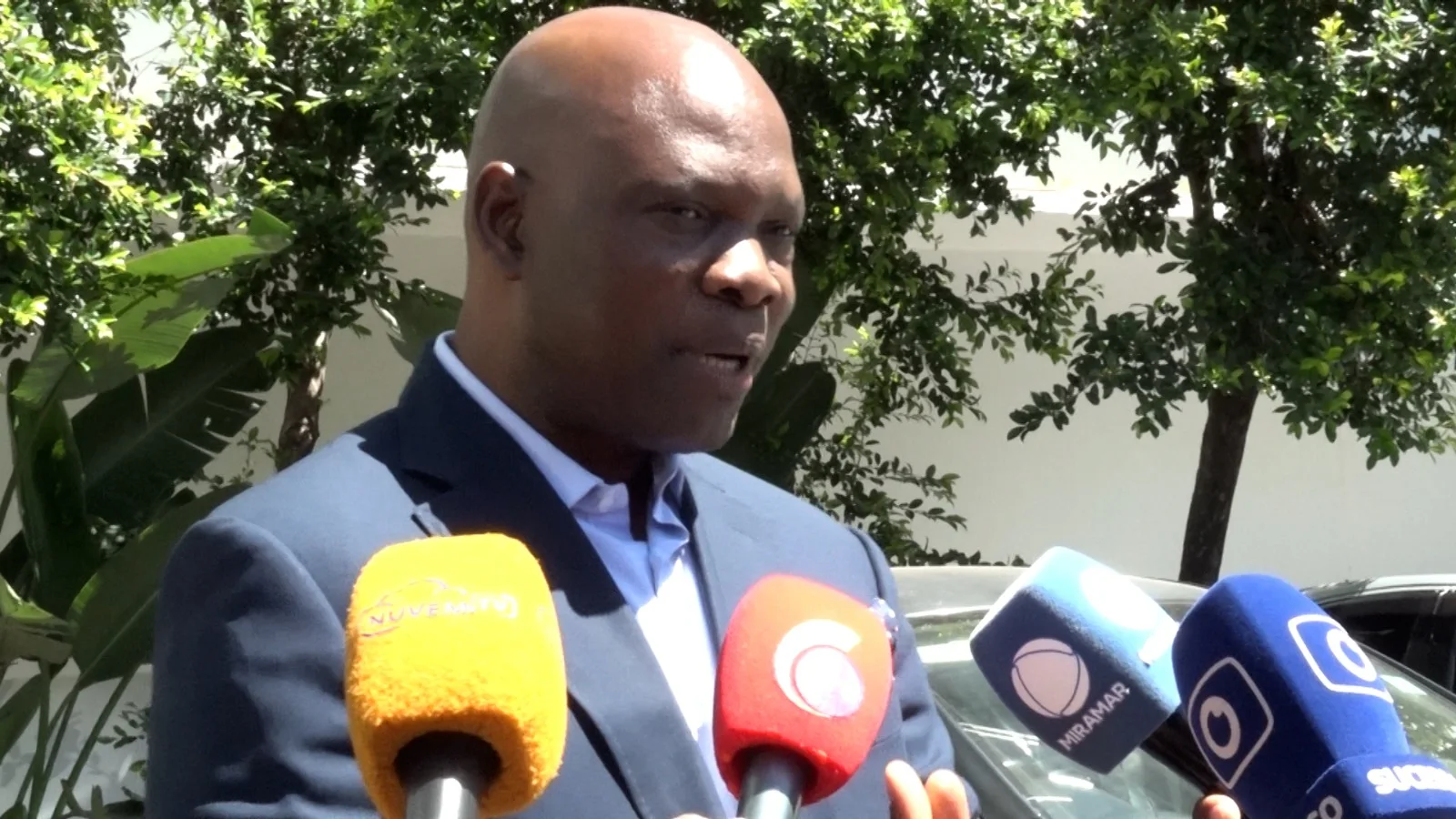
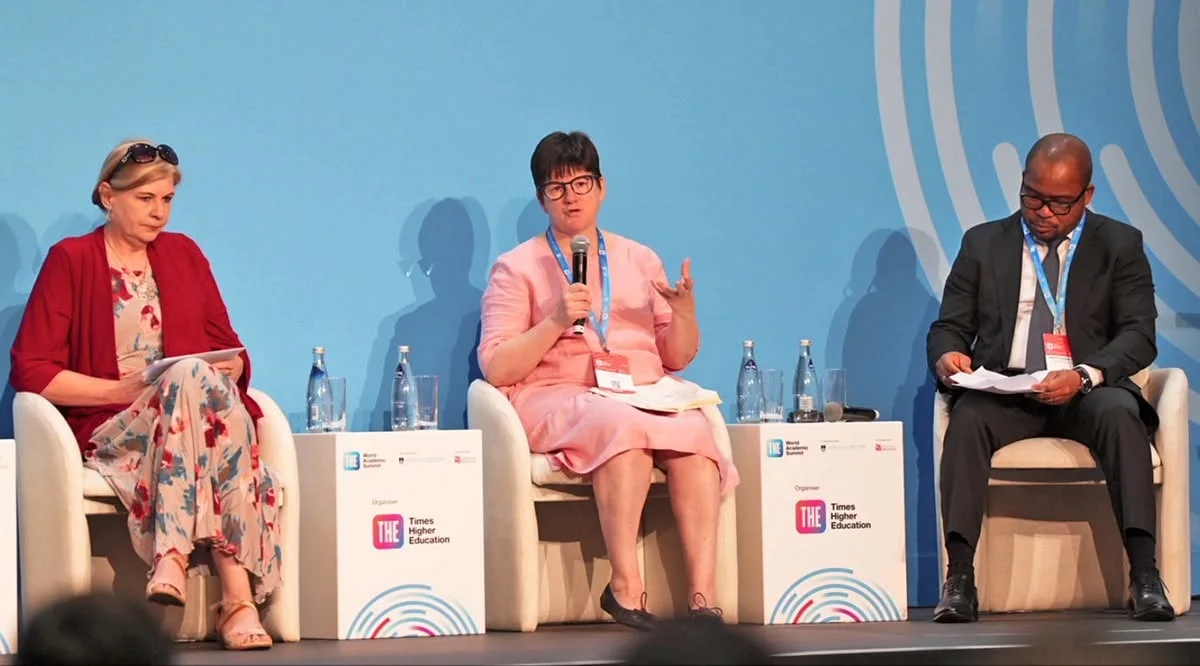
According to Adriano Nuvunga, the acquisition raises serious questions about the use of public resources at a time when sectors such as health, education and other basic public services continue to face significant constraints.
The CDD director described the purchase as “insulting”, arguing that the amount allocated to the vehicles stands in sharp contrast to the difficulties faced by a large part of the population.
The procurement process was suspended by the Ministry of Finance through the Functional Unit for Procurement Supervision, allowing the authorities to review the procedures and assess possible irregularities in relation to public procurement and state asset management rules.
Despite the suspension, Nuvunga expressed concern about the final outcome of the process, questioning whether the decision amounts to a definitive cancellation or merely a temporary interruption.
The CDD argues that the case should continue to be closely monitored to ensure that the acquisition does not proceed without proper public scrutiny.
Nuvunga also said the debate should go beyond the purchase of the vehicles and focus on the priorities established for the use of public funds, calling for greater transparency and accountability in state expenditure.
In the same intervention, the CDD director also addressed the conduct of justice institutions, particularly the case involving former presidential candidate Venâncio Mondlane, whose trial is scheduled for 17 November 2026.
The Supreme Court rejected a request for the trial to be broadcast live and prohibited the recording of sound and images during the hearings. Journalists were, however, allowed to attend the proceedings and produce written reports, while members of the public may enter the courtroom subject to available capacity.
According to Nuvunga, restrictions on audiovisual coverage undermine the transparency of a case of significant public interest and may affect public confidence in justice institutions.
The CDD is therefore calling for greater openness within public institutions, greater transparency in the management of state resources and stronger mechanisms to allow citizens to scrutinise decisions involving public funds and the functioning of the justice system.