The information was presented by Sónia Jorge, Executive Director of the Global Partnership for Digital Inclusion, during the presentation of the proposed “Internet for All” strategy, developed in partnership with the Mozambican Government.
Citing data from the GSMA, Jorge said Mozambique currently has around 5.6 million individual mobile internet subscribers.
However, estimates from the International Telecommunication Union indicate that approximately 20% of the population has some form of internet access, including people who connect through schools, workplaces, community centres and other public access points.
According to Jorge, affordability remains one of the main barriers to digital inclusion in the country.
“More than 80% of the population lives on less than three dollars a day, making digital services virtually unaffordable,” she said.
She also questioned network coverage figures reported by operators, which indicate levels of around 90%.
“Supposedly, network coverage is around 90%, but in reality, I would question those figures,” she said.
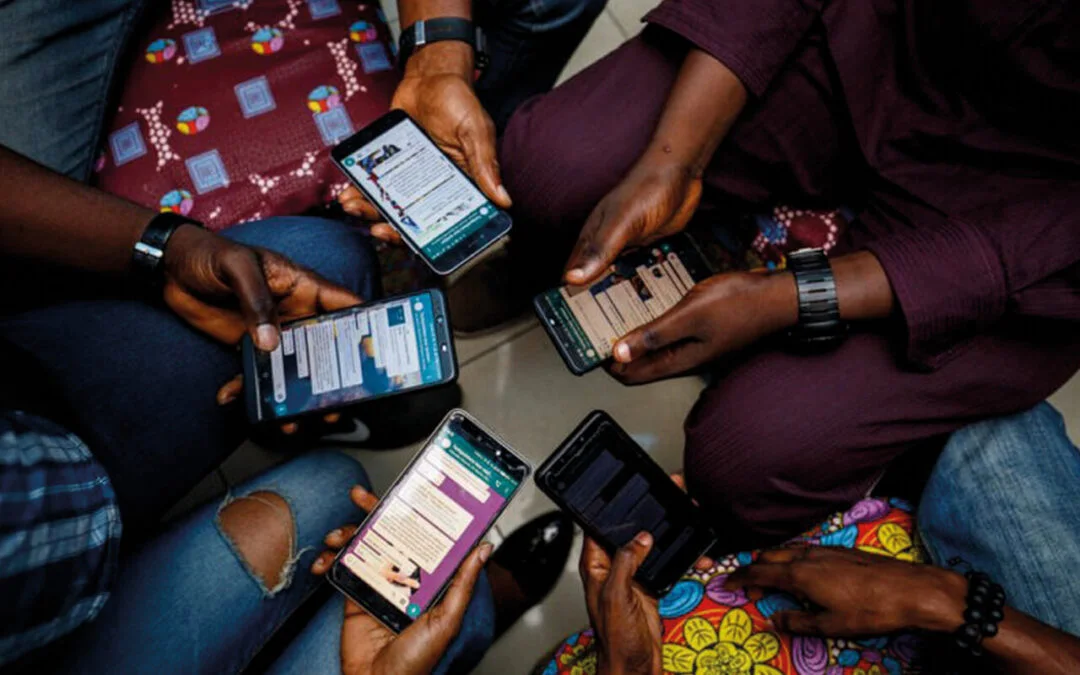
Jorge explained that many people own smartphones but cannot maintain regular internet access through mobile data packages, relying instead on free Wi-Fi networks and other public access points.
“Most connectivity in Mozambique is what we call marginal connectivity,” she said.
She also highlighted disparities between men and women in access to digital services, saying that only between 16% and 18% of connected women enjoy what is considered meaningful connectivity.
Jorge argued that expanding connectivity should translate into tangible benefits for citizens, including access to information, business development and greater economic opportunities.
“We do not want people to go online to suffer. We want them to be able to access information, manage their businesses, expand opportunities and improve their lives,” she said.
The “Internet for All” strategy, implemented by the National Communications Institute of Mozambique, sets targets through 2030, including increasing internet use, strengthening digital literacy, expanding public access points and improving the quality and affordability of connectivity services.