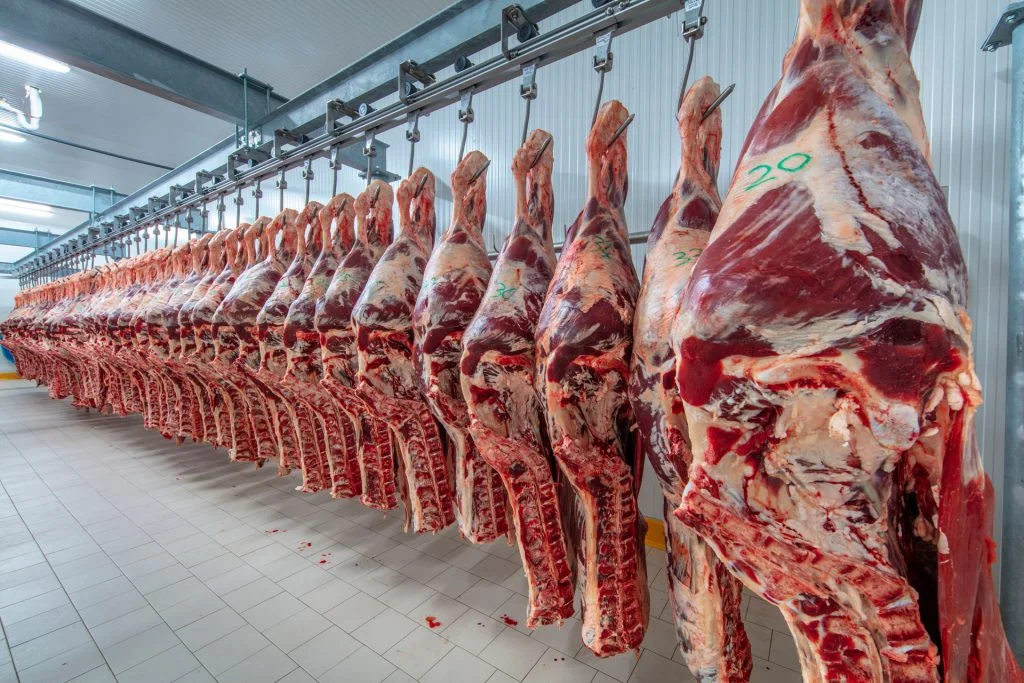
The measure covers fresh meat from cattle, sheep, goats, farmed ungulates and wild game, as well as some processed products, including biltong and dried meat.
According to the decision published in the Official Journal of the European Union, 23 September — the date on which Namibian veterinary authorities confirmed the first outbreak — was set as the reference date for determining eligible imports.
The EU said only processed meat products that have undergone the strictest risk-mitigation treatments required under European legislation will remain eligible for export.
A transitional period has also been introduced for consignments already in transit. Shipments of fresh meat certified by Namibian authorities before 23 September may still enter the European market within a 90-day period, subject to approval by border control posts in EU member states.
The suspension comes as Namibian authorities work to contain the spread of the disease, which poses a threat to the country’s livestock sector and meat exports.
EU Ambassador to Namibia Ana Beatriz Martins said Namibian authorities had responded to the outbreak quickly and transparently.
“Namibia responded swiftly and transparently, and we commend its veterinary services for their professional response,” she said.
According to Martins, the EU will continue working with the Namibian Government and veterinary authorities to contain the outbreak and protect farmers’ livelihoods.
The European Union also said it will continue monitoring the epidemiological situation and may review the restrictions if animal health conditions improve.
The measures do not affect Namibia’s preferential trade access to the European market under the EU-SADC Economic Partnership Agreement, as they apply only to sanitary conditions governing the affected products.