The announcement was made on Wednesday, 7 October, in Maputo, by the Minister of Agriculture, Environment and Fisheries, Roberto Albino, following a meeting of the Nuts Committee held to define the reference price for the new marketing season.
“Given that there was an early debate and taking into account the consensus reached during this discussion, we formally announce that the Nuts Committee has set the reference price for producers at 48 meticais per kilogram,” Roberto Albino said.
According to the minister, the current season will also apply a cashew overvaluation rate of 22%, compared with 18% last year.
Albino called on producers to continue investing in cashew tree cultivation and maintenance, while urging processing companies to remain resilient and continue investing in the industry.
During the meeting, the minister also raised concerns over cashew nut smuggling, stating that around 35,000 tonnes of the product had been illegally taken out of the country over the past three years.
According to data from the Nuts Institute, the practice caused estimated losses of 457 million meticais.
The minister called for greater accountability for those involved, arguing that smuggling affects State revenues and reduces foreign currency inflows into the economy.
“If we want to put an end to smuggling in Mozambique, we have to criminalise it, we have to treat it as theft from the public purse. It must carry a prison sentence,” he said.
Albino added that the authorities were aware of companies involved in undeclared exports of cashew nuts to markets including India and Vietnam.
Data from the Ministry of Agriculture, Environment and Fisheries indicate that Mozambique produced more than 200,000 tonnes of cashew nuts annually around 50 years ago, when it ranked among the world’s leading producers.
Following independence, production fell sharply to between 15,000 and 20,000 tonnes per year, but has gradually recovered over recent years.
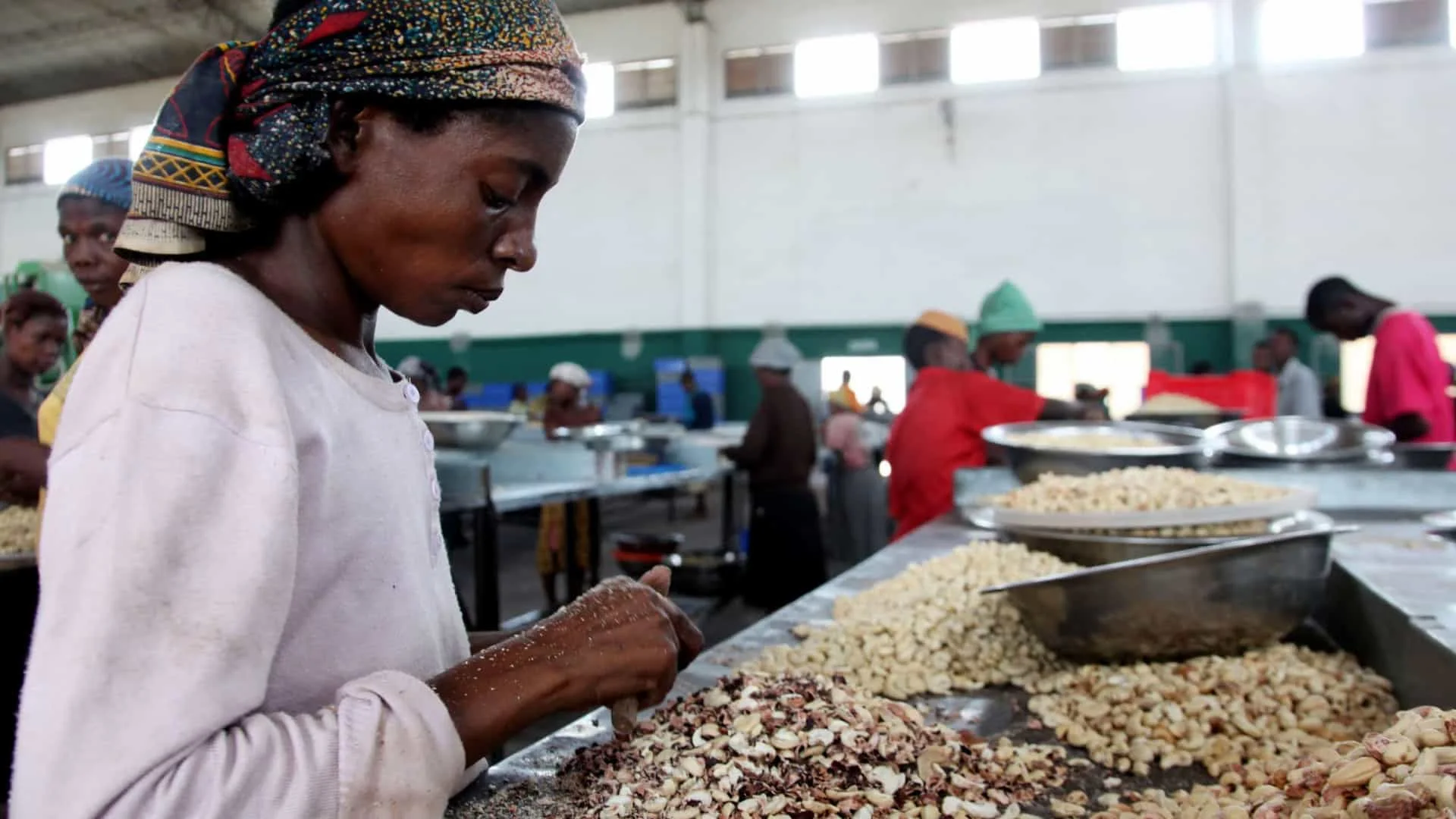
The country’s nut value chain currently involves around 1.047 million families, 69 companies and more than 7,000 workers nationwide.