Known as Centro Pronto, the platform was inaugurated this week in Maputo and was developed through a partnership between the Agency for Digital Transformation and Innovation (ATDI) and Indian company VFS Global, which is responsible for the technological development of the system.
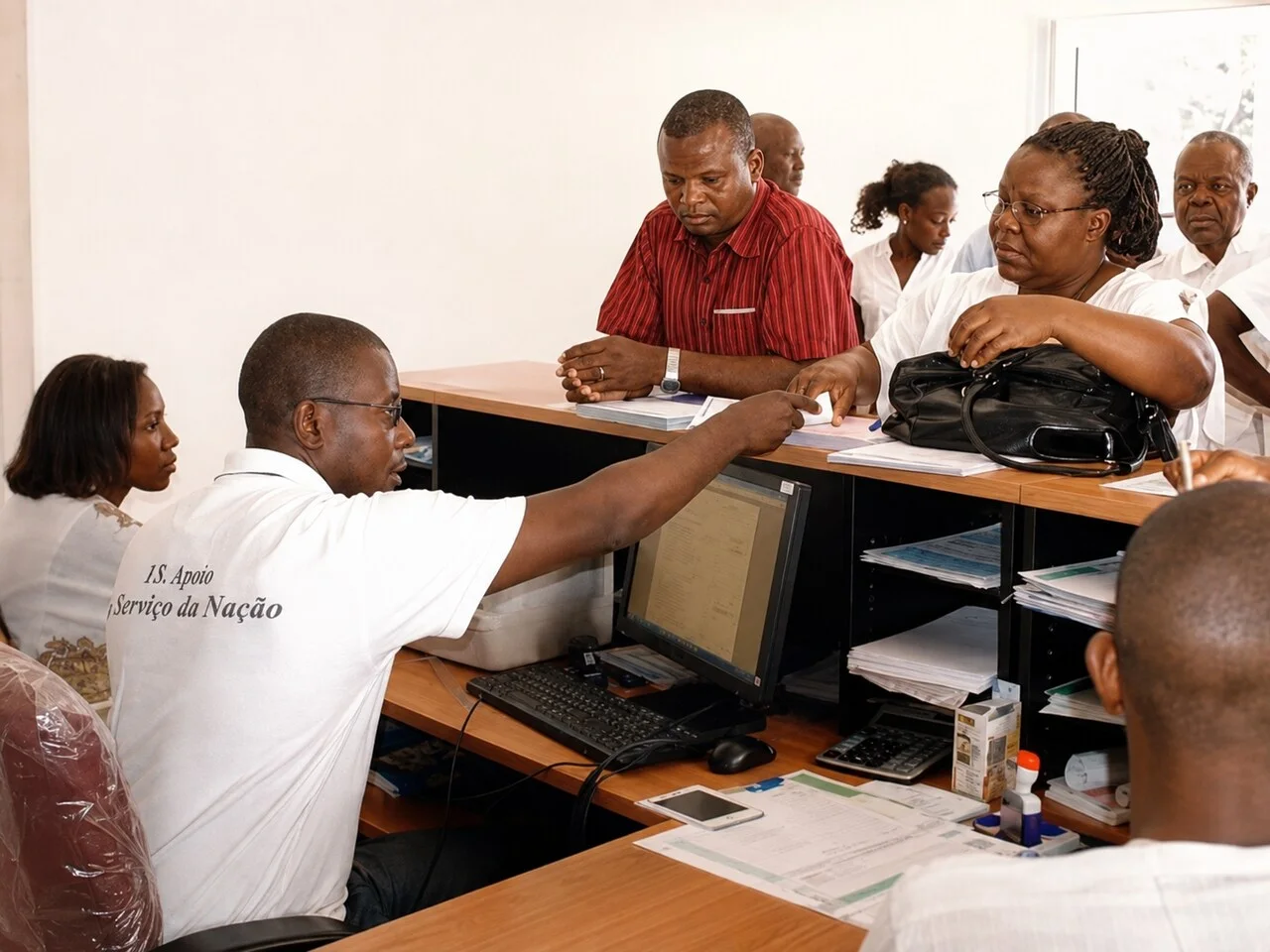
According to Portuguese news agency Lusa, the platform was designed to complement existing government service centres by integrating digital services, self-service kiosks and assisted in-person service counters, allowing citizens to complete administrative procedures more efficiently.
"For citizens, this approach is designed to reduce unnecessary travel and waiting times, while providing greater visibility and predictability throughout the entire process," VFS Global said in a statement.
In its initial phase, Centro Pronto is expected to provide services related to passports, identity cards, driving licences and Identification and Residence Documents for Foreign Nationals (DIRE), subject to implementation and approval by the relevant authorities.
Through the online portal or self-service kiosks, citizens will be able to check requirements, verify personal information, prepare applications in advance, make electronic payments and schedule appointments.
The system will also allow applicants to track the progress of their requests using a unique reference code, reducing the need for repeated visits to government offices to obtain updates on submitted applications.
At physical service counters, the process will be complemented by the collection of photographs, biometric data and digital signatures whenever required for the service requested.
President Chapo Calls for an End to Bureaucracy and Corruption
Mozambican President Daniel Chapo stressed that the digital transformation of public administration must help eliminate unnecessary bureaucratic procedures and combat corruption, including the practice commonly known as "refrescos", an informal term referring to illicit payments made to facilitate access to public services.
"Modernising equipment is not enough if procedures remain slow, complex, bureaucratic and disconnected from people's needs. We do not want to digitalise bureaucracy. We want to eliminate unnecessary bureaucracy," the President stated.
Chapo emphasised that technological modernisation must be accompanied by meaningful changes in the way public institutions deliver services, ensuring greater efficiency, transparency and accessibility.
The President also argued that the initiative should not be limited to major urban centres but should gradually reach other parts of the country, including rural areas.
Platform to Expand to Beira and Nampula
VFS Global announced that Centro Pronto was designed to support the gradual expansion of public services, with plans to extend the platform from Maputo to the cities of Beira and Nampula.
At a later stage, the system may also serve Mozambican citizens living abroad, enabling them to access certain public services without the need for frequent travel to Mozambique.
Jiten Vyas, Chief Commercial Officer and Head of Business Development at VFS Global, said the platform represents an important step towards strengthening co-operation with Mozambique in modernising citizen services.
"Together with ATDI, we aim to support a scalable approach that will extend access to services for Mozambican citizens living abroad during the programme's implementation and subsequently enable Centro Pronto to expand its presence to other locations across Mozambique," he stated.
According to the company, the initiative is expected to improve the organisation of administrative procedures, integrate different service channels and provide more reliable information to support the planning and management of public services.
The platform's features will be introduced gradually and will remain subject to validation by the authorities responsible for each service.
With the launch of Centro Pronto, the Mozambican Government aims to advance the modernisation of public administration through a model combining technology and in-person assistance, making essential services more accessible to citizens while reducing bureaucratic obstacles.