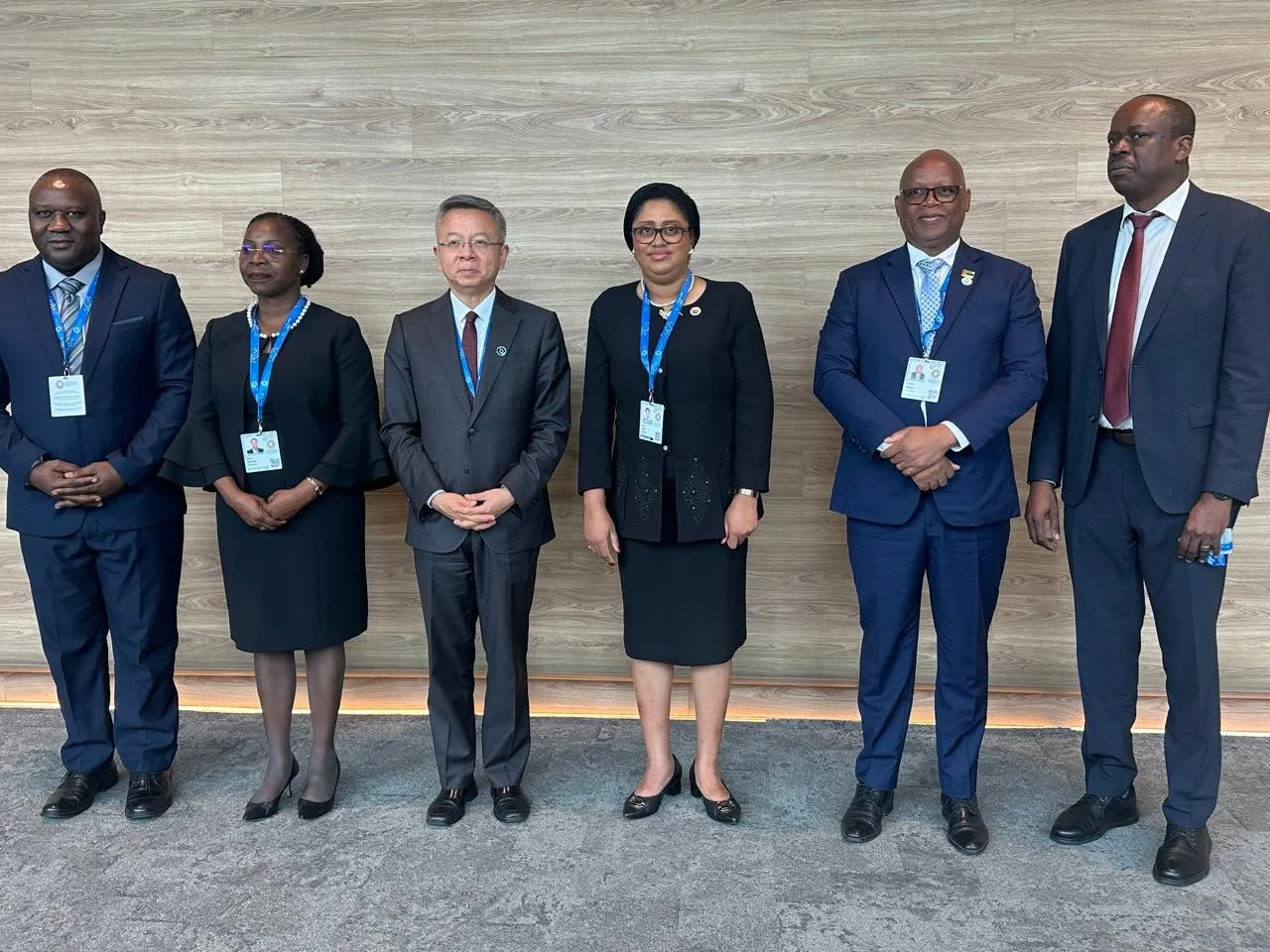
The disclosure was made by Finance Minister Carla Loveira during a meeting with IMF Deputy Managing Director Bo Li, held on Wednesday, 14 October, in Bangkok, Thailand.
According to a statement from the Ministry of Finance, Loveira presented an overview of Mozambique's economic situation, highlighting signs of gradual recovery despite persistent financial pressures that continue to affect the Government's ability to meet its commitments.
In the second quarter of 2026, Mozambique's economy recorded year-on-year growth of approximately 1.7%, while inflation stood at 7%, partly reflecting continued pressure on fuel prices.
Despite these challenges, the Government expects inflation to remain below double-digit levels until the end of the year.
However, Loveira acknowledged that Treasury liquidity constraints remain among the main challenges facing public financial management, limiting the execution of budgeted expenditure and making it difficult to meet public debt servicing obligations fully and on time.
The minister nevertheless expressed confidence in Mozambique's medium-term economic prospects, supported by ongoing fiscal reforms and the potential benefits of liquefied natural gas (LNG) projects.
"Notwithstanding these short-term challenges, we remain fully confident in Mozambique's medium-term potential, particularly as a result of the ongoing fiscal reforms and the benefits that liquefied natural gas projects could bring to our economy," Loveira said, according to the statement.
Government Sees Natural Gas as a Driver of Economic Recovery
During the meeting, Loveira highlighted the relaunch of the TotalEnergies-led Mozambique LNG project in January 2026, as well as progress on other strategic developments, including the Coral Norte project.
The minister also pointed to Mozambique's removal from the Financial Action Task Force (FATF) grey list as an important development for strengthening investor confidence and the credibility of the country's financial system.
According to Loveira, the coordinated implementation of fiscal and structural reforms could gradually create additional fiscal space, allowing the Government to finance priority social expenditure, stimulate economic activity and attract new investment.
The Government believes that the development of natural gas projects, combined with improvements in public financial management, could play an important role in economic recovery and strengthening the State's financial capacity.
IMF Encourages Continued Reforms and Dialogue
For his part, IMF Deputy Managing Director Bo Li encouraged Mozambique to maintain dialogue and engagement with the institution, with a view to restoring macroeconomic stability and reviving economic growth.
He also emphasised the importance of protecting the most vulnerable segments of the population, particularly as budgetary constraints continue to affect the Government's capacity to respond to social needs.
The meeting reaffirmed the importance of continued co-operation between Mozambique and the IMF in identifying solutions to the country's macroeconomic and fiscal challenges, as well as promoting reforms aimed at ensuring the sustainability of public finances.
Despite the signs of recovery presented by the Government, liquidity constraints continue to affect public financial management, particularly the timely servicing of public debt and the implementation of budgeted expenditure.