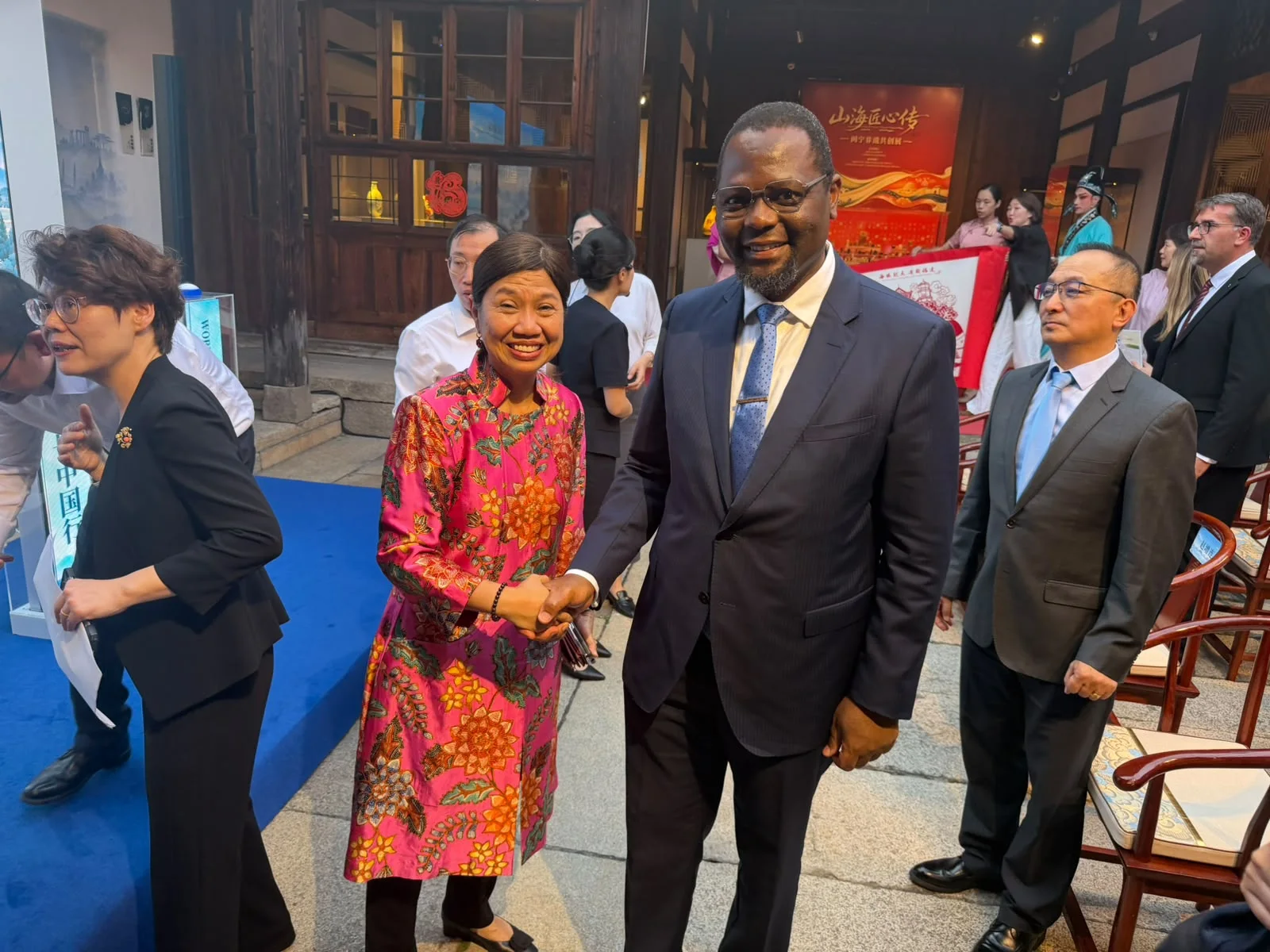
The statement was made by Manica Governor Domingas Tomás during the Conference on Value Addition Based on Available Minerals and Energy Resources, held on Monday, 19 October, in Nacala, Nampula province.
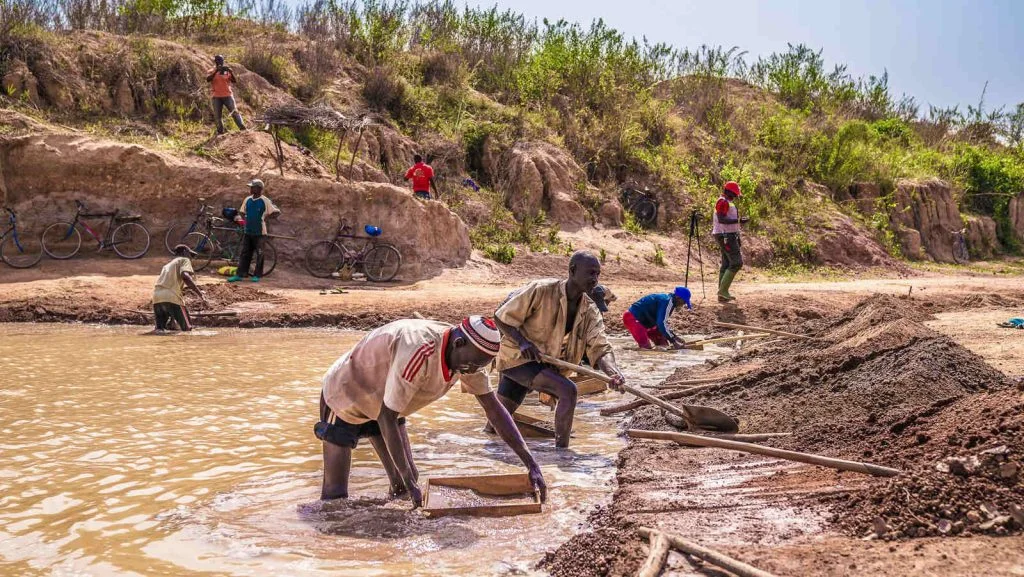
"At one point, we had more than 12,000 people mining at Seis Carros. Even today, it remains difficult for us to control the situation there," the governor said.
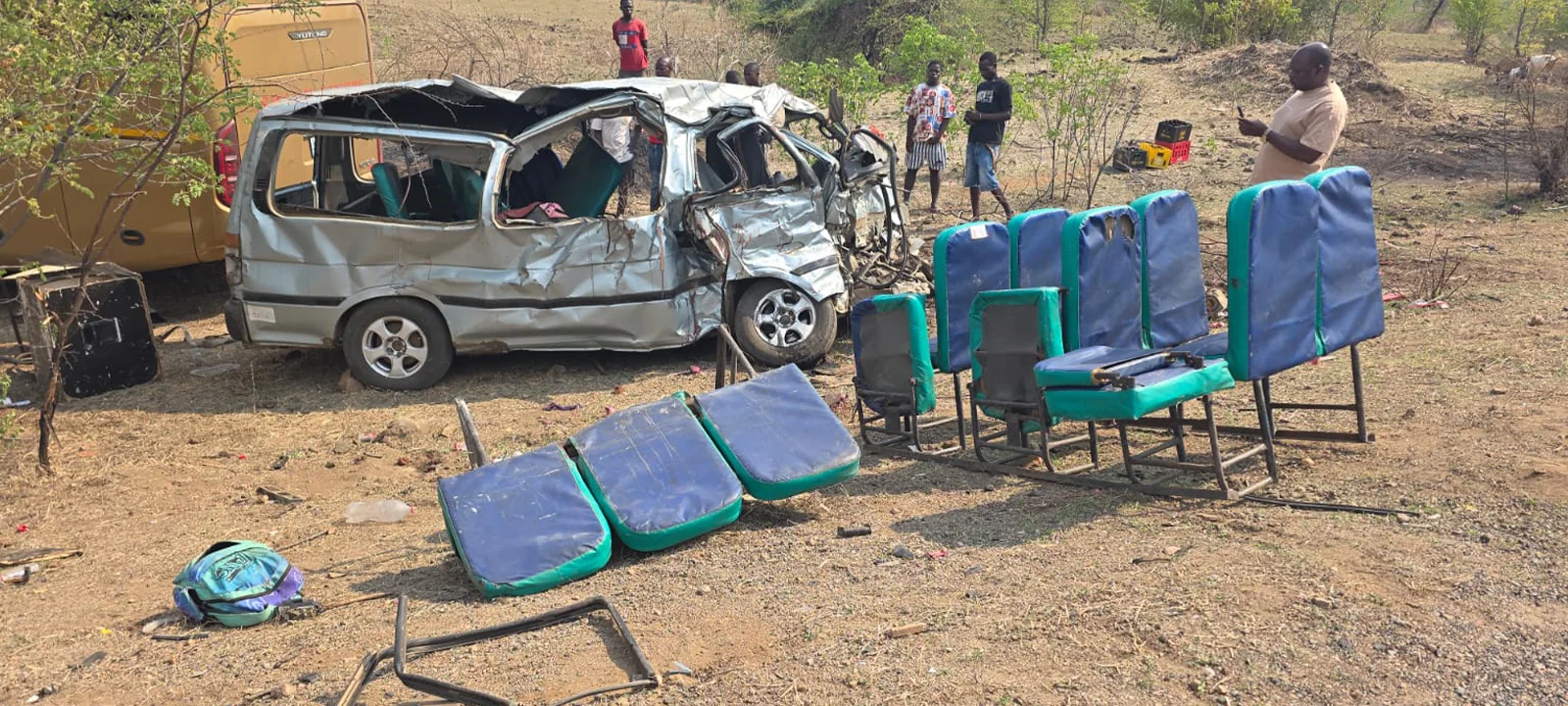
The situation worsened in September, when at least nine people lost their lives over a three-day period following landslides linked to illegal gold mining in Vanduzi district.
According to local authorities, the growing demand for gold has led to the expansion of excavation activities at the site, which now reaches approximately 20 metres in depth and 25 metres in diameter. The concentration of thousands of miners and the existence of interconnected excavation pits have increased the risk of further collapses, particularly during the rainy season.
In response, the provincial government plans to organise artisanal miners into cooperatives to promote safer mining practices and reduce risks to human life and the environment.
"There are many pits there, and everyone enters as they please. When these pits become numerous and interconnected, they cause deaths," Domingas Tomás explained.
The governor clarified that the initiative is not intended to prevent local communities from exploiting mineral resources, but rather to establish mechanisms that ensure greater organisation and safety.
"Communities should exploit their resources in an organised manner so that, firstly, they do not cause loss of human life and, secondly, they do not cause environmental damage," she added.
Speaking at the same event, Domingas Tomás called for stronger technical and vocational training in the mining sector, as well as improvements in electricity supply to mining companies. She also expressed concern over the centralisation of decisions regarding the allocation of mining concessions.
Meanwhile, the central government has announced several measures aimed at reorganising the country's mining industry.
In September, President Daniel Chapo identified the approval of regulations under the new Mining Law, the establishment of a state-owned mining company and the reorganisation of the mining cadastre as key measures to strengthen oversight and prevent mining-related accidents.
Also in September, a multisectoral team led by the Public Prosecutor's Office launched an investigation into the deaths of nine people at an illegal mining site in Vanduzi.
The Conference on Value Addition Based on Available Minerals and Energy Resources, organised by the Ministry of Mineral Resources and Energy, brought together government representatives and mining industry stakeholders to discuss strategies for the local processing and sustainable use of Mozambique's mineral resources to promote economic development.