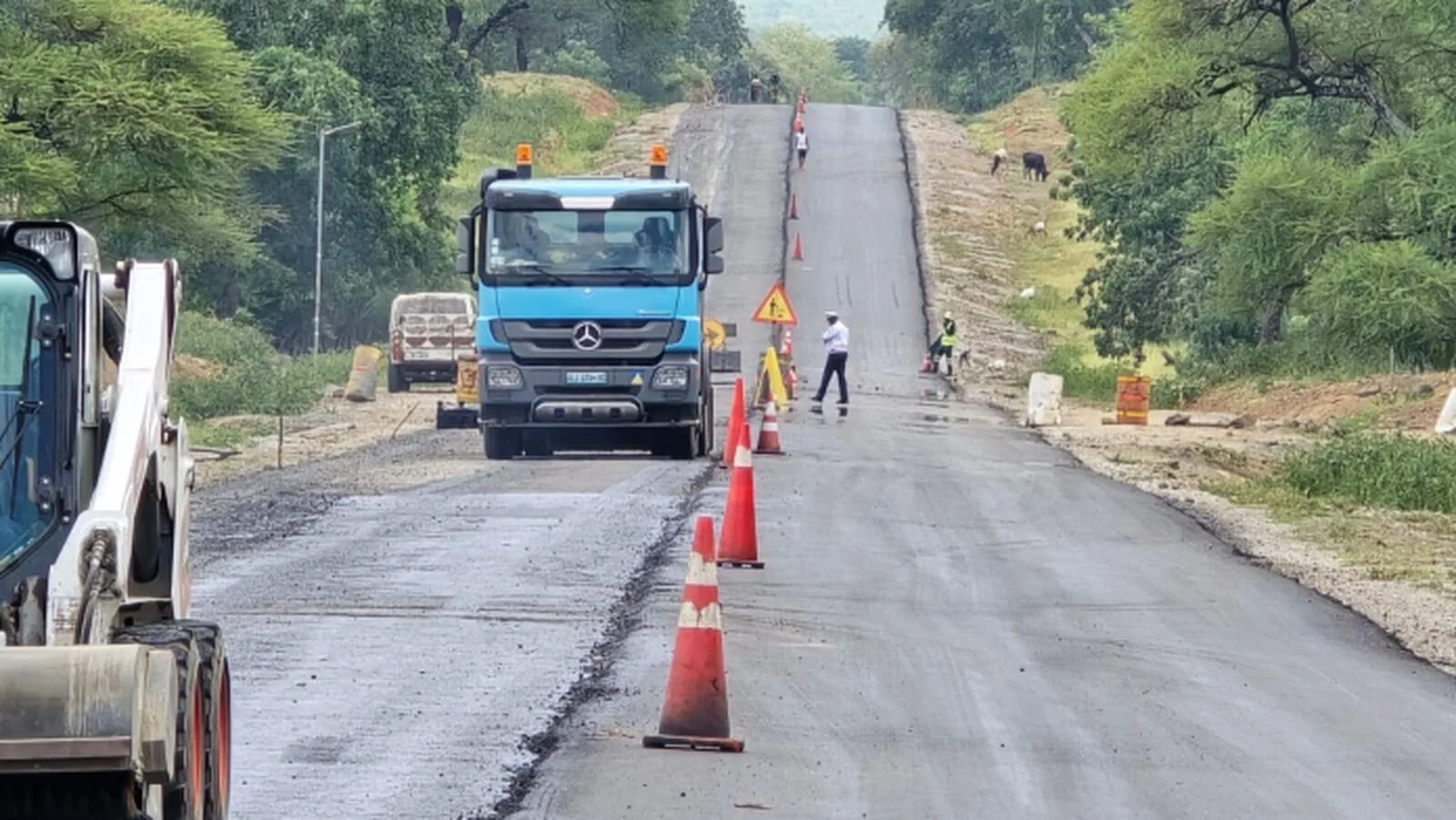
According to an ANE contract award notice dated 19 October, all three contracts were awarded to Construção A. Varinda under the Accelerated National Road Rehabilitation and Construction Programme 2026–2031.
The largest contract covers works on the R760 road between Mecúfi and Mazeze, stretching 75 kilometres, with an estimated investment of €47.9 million. The second lot involves the rehabilitation of 62 kilometres of the R698 road connecting Montepuez and Namuno, valued at €44.7 million.
The third contract covers the paving of 60 kilometres of the R760 road between Mazeze and Chiúre, at an estimated cost of €40.4 million. Together, the three projects represent an investment of approximately €133 million.
The initiative aims to improve the movement of people and goods in a province that has long faced significant road accessibility challenges, further aggravated by the instability caused by the armed insurgency affecting the region since 2017.
The works form part of the "Mais Estradas – 2031" programme, one of the Government's main initiatives to expand the paved road network, improve connections between production centres and consumer markets, and strengthen the integration of national logistics corridors.
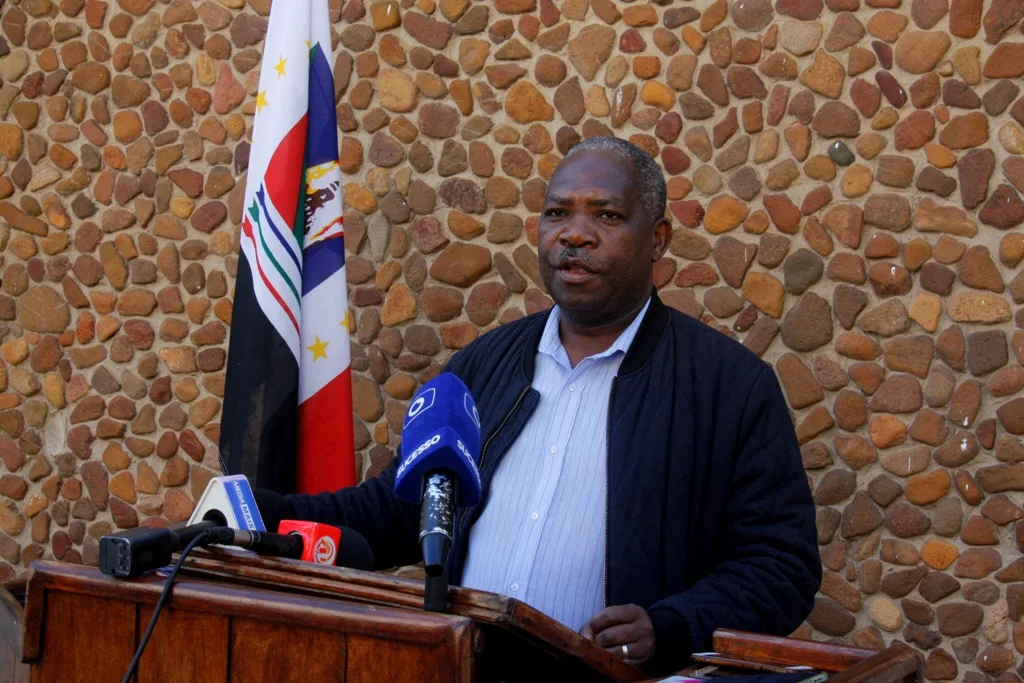
Mozambique's Minister of Transport and Logistics, João Matlombe, explained in October that the programme is valued at approximately €2.5 billion and предусматриes interventions covering more than 3,000 kilometres of roads across different regions of Mozambique.
According to the minister, the initiative has entered the implementation phase, with public tenders launched and bids under evaluation. Construction works are expected to begin during the first quarter of 2027, following the completion of administrative procedures and contractor mobilisation.
"We cannot continue to intervene on roads only when deterioration reaches critical levels," Matlombe stated, advocating a shift in road network management towards preventive maintenance, compliance with contractual deadlines and stronger oversight mechanisms.
The rehabilitation of roads in Cabo Delgado is particularly significant given the province's ongoing security challenges and the need to support the economic recovery of communities affected by the armed conflict.
Since 2017, the insurgency in the province has caused more than 6,600 deaths and displaced approximately 1.2 million people, according to international organisations, disrupting economic activity, public service delivery and movement across several districts.
A report released in September by the United Nations Office for the Coordination of Humanitarian Affairs (OCHA) revealed that conflict-related incidents increased by 10% during the first half of 2026 compared with the same period in 2025.
According to the report, more than 400 violent incidents were recorded during the first six months of the year, including killings, destruction of homes, looting and kidnappings, with significant consequences for local communities.
Against this backdrop, the completion of the planned road works could improve mobility, facilitate access to essential services and create more favourable conditions for the recovery of economic activities in the affected areas. However, project implementation will remain dependent on security conditions and compliance with the established construction schedules.