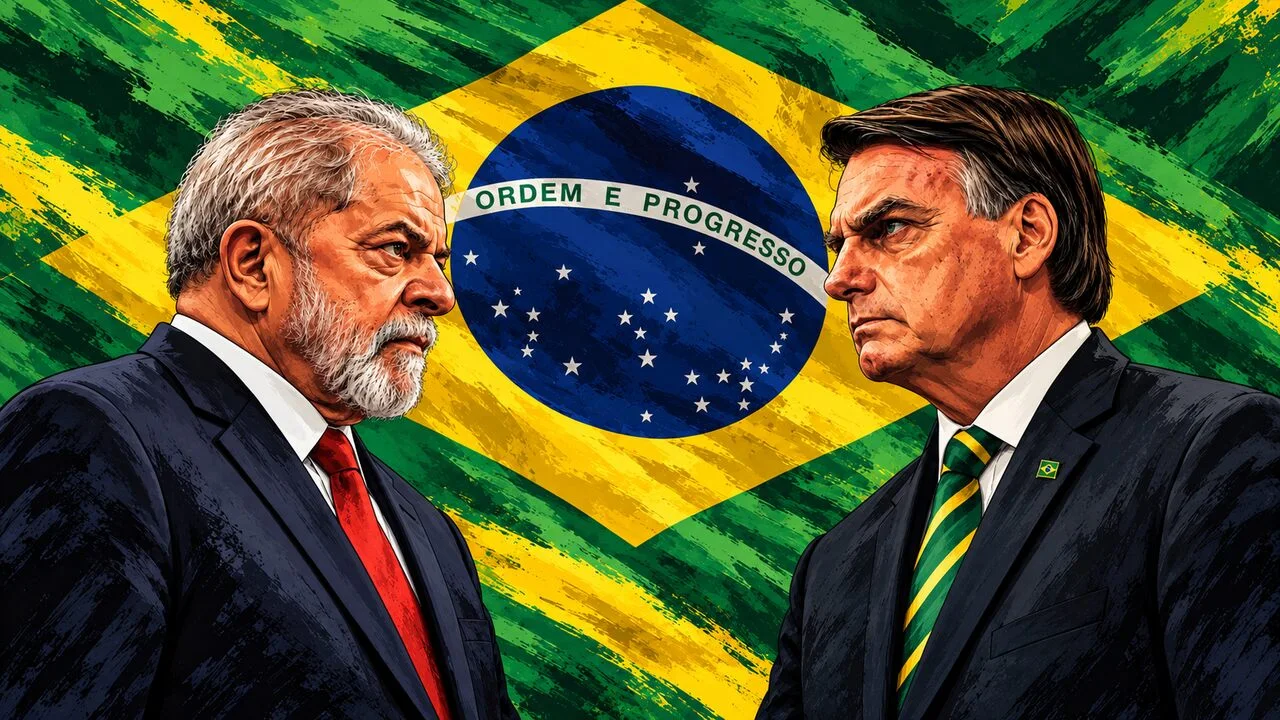
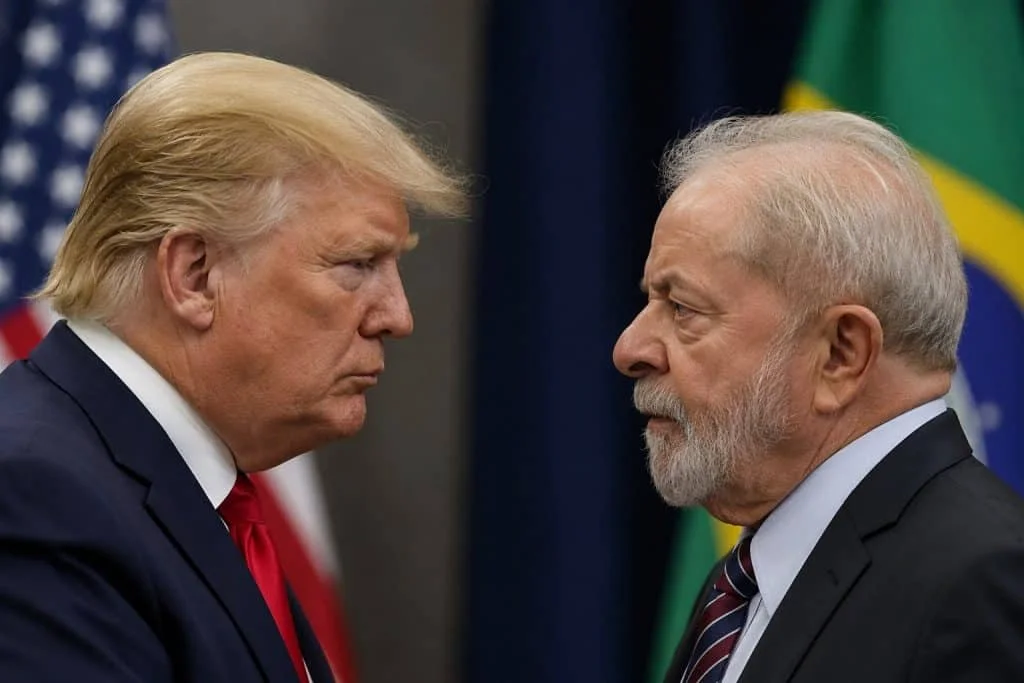
Brazilians return to the polls after neither candidate secured an absolute majority in the first round, held on 4 October. Flávio Bolsonaro received 47.03% of valid votes, compared with 45.16% for Lula da Silva, giving him a lead of less than two percentage points.
The race enters its decisive stage amid deep political polarisation. The latest opinion polls, released on Saturday, 24 October, indicate a statistical tie between the two candidates. According to the Datafolha polling institute, Flávio Bolsonaro has 51% of valid voting intentions, while Lula stands at 49%, a difference within the margin of error.
The election campaign has been dominated by disagreements over the economy, public security, corruption and democratic institutions. Lula is seeking re-election, highlighting social welfare programmes and public investments implemented during his administration. Flávio Bolsonaro, meanwhile, has pledged to strengthen the fight against crime, restore household purchasing power and introduce changes to government administration.
During the final televised debate, hosted by TV Globo on Friday, 23 October, the candidates exchanged personal and political accusations. Lula questioned his opponent's connections with individuals linked to investigations, while Flávio criticised the current administration's economic management and reiterated his commitment to tougher public security policies.
The election carries significant implications for Brazil's political future. A Lula victory would ensure continuity in the current government's policies, while a Flávio Bolsonaro victory would mark the return of the Bolsonaro family to the presidency, four years after Jair Bolsonaro's defeat in the 2022 election.
Voting is scheduled to take place from 8:00 a.m. to 5:00 p.m. Brasília time, corresponding to 1:00 p.m. to 10:00 p.m. in Mozambique. The result will determine who leads Brazil for the next four years, following one of the country's most closely contested presidential races in recent history.