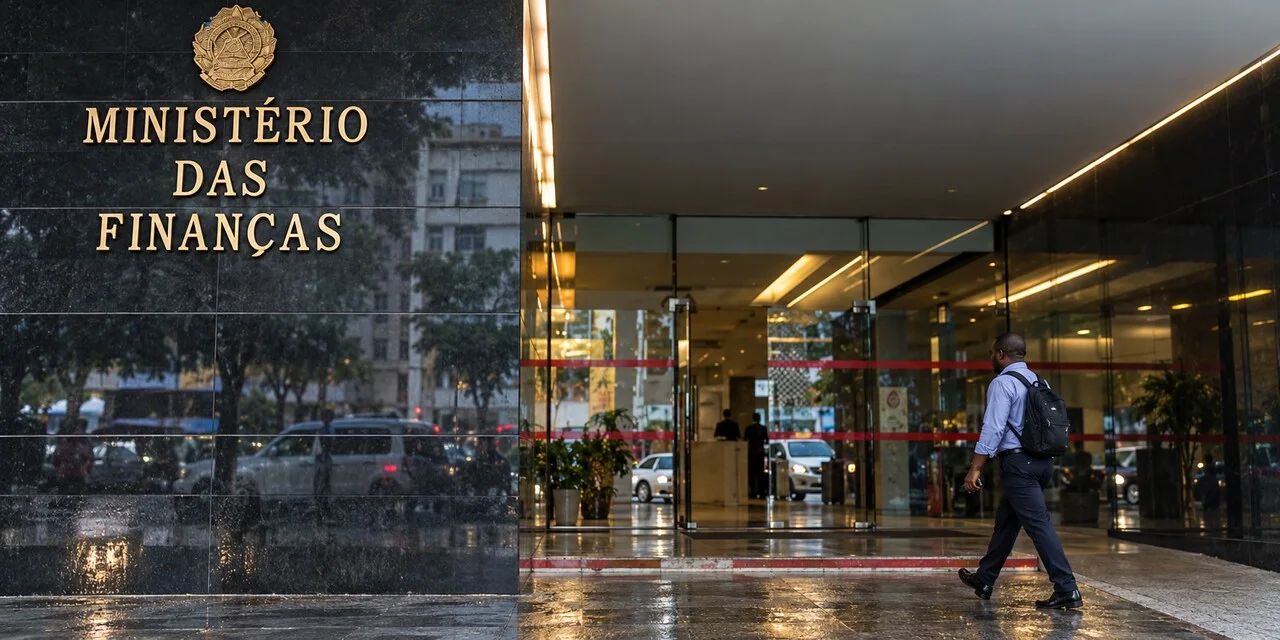
The measure was announced by the Governor of the Bank of Mozambique, Felisberto Navalha, during a meeting with private sector representatives held this week in Maputo to present reforms aimed at improving the functioning of the foreign exchange market and stimulating financing for domestic production.
According to the Governor, the platform will make it possible to track foreign exchange transactions and improve access to information, at a time when foreign currency availability and import costs continue to affect business activity.
In the area of financing, the Bank of Mozambique has introduced a temporary mechanism allowing credit institutions to deduct new loans intended for import substitution and export growth from their domestic currency reserve requirement component.
The measure was approved by the Monetary Policy Committee on 30 September and provides for the application of the MIMO interest rate, plus a maximum margin of 150 basis points, depending on the purpose of the loan.
Through this mechanism, the monetary authority aims to create greater lending capacity for businesses producing goods that can replace imports or contribute to export growth.
Navalha urged the private sector to increase productivity, diversify the productive base and familiarise itself with and make use of the financing mechanisms provided by the Bank of Mozambique.
The Governor also reiterated that price stability remains one of the institution's main priorities, as it contributes to greater predictability in costs, investment planning and business financing decisions.
Another measure already in operation is a monitoring centre for bank card payments abroad. The system enables the consolidation and dissemination of information on transactions carried out by each cardholder, regardless of the credit institution that issued the card.
According to the Bank of Mozambique, dialogue with the private sector helps the institution better understand the constraints facing businesses, identify obstacles to investment and production expansion, and detect growth opportunities.
Business representatives welcomed the institution's openness and expressed their willingness to cooperate in implementing the ongoing reforms.