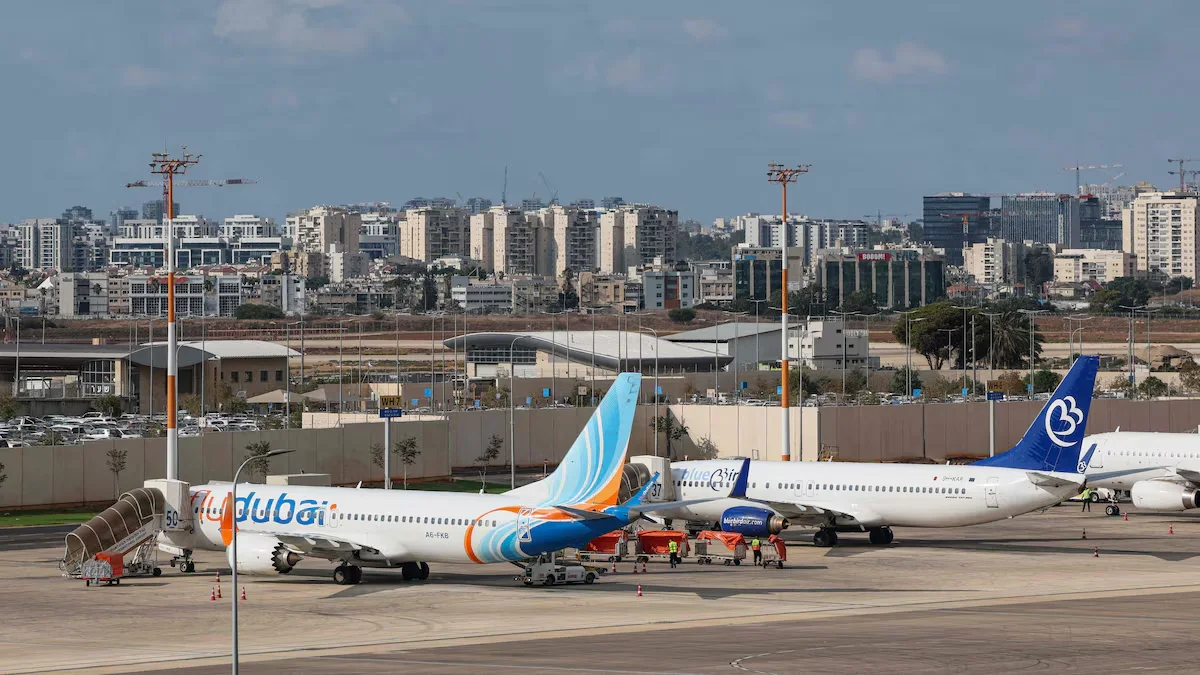
The incident occurred on 30 September aboard flight FZ1073, when the co-pilot attacked the captain and attempted to take control of the aircraft, which was carrying more than 170 passengers and crew members, most of them Israeli citizens.
According to authorities in the United Arab Emirates, the case is being treated as a terrorist attack. Passengers and crew members managed to restrain the suspect, while a reserve pilot travelling on board took control of the aircraft and carried out an emergency landing in Tabuk, north-western Saudi Arabia.
The suspect, identified by sources linked to the investigation as an Omani citizen, was initially detained by Saudi authorities and later transferred to the United Arab Emirates, where he remains in custody.
Following the incident, Netanyahu ordered a broader assessment of security mechanisms applied to crew members working for foreign carriers flying to Israel.
The review is expected to examine, among other issues, how the co-pilot was allowed to operate a flight bound for Tel Aviv and whether existing screening and verification procedures were properly followed.
Israeli authorities say citizens of countries without diplomatic relations with Israel, including Oman, are subject to restrictions when operating certain flights to the country. The co-pilot’s presence on the flight has therefore become one of the main issues under investigation.
The case has also prompted international investigations. Authorities are examining the suspect’s background and possible links to other countries where he reportedly studied or received aviation training.
Investigations are continuing in the United Arab Emirates and Israel to determine the circumstances of the attack, possible security failures and the suspect’s background.
The incident has once again brought civil aviation security into focus in Israel, particularly regarding the screening of foreign airline crews and the procedures applied before aircraft enter Israeli airspace.