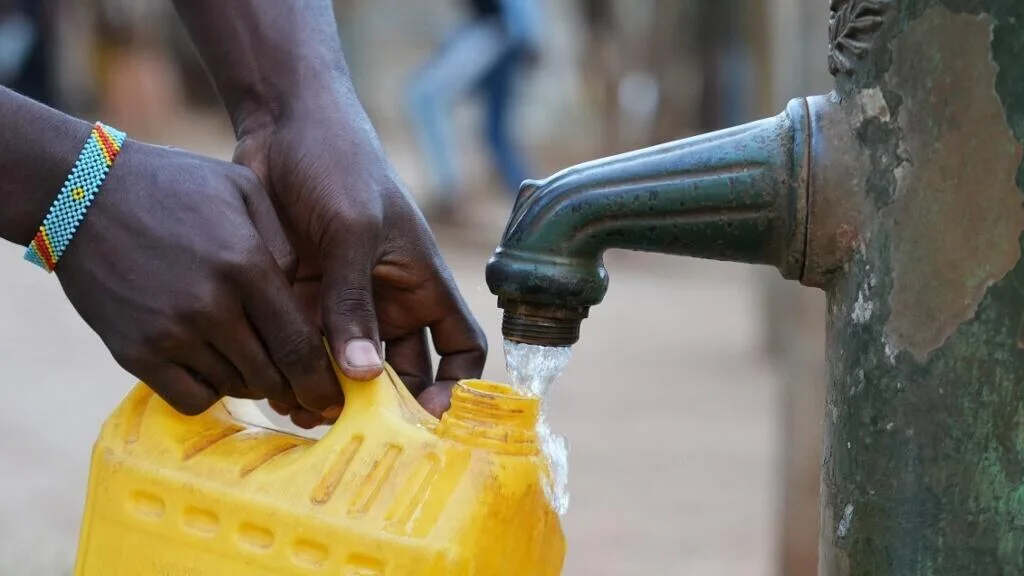
The investment also included the delivery of cleaning materials and the installation of an incinerator, aimed at improving sanitation and hygiene conditions at the health facility.
According to Manuel Tivane, a representative of the Chibuto district administration, the intervention is expected to improve working conditions at the hospital and strengthen environmental protection measures.
“The system that was built here, together with all the components and materials being delivered, will also improve working conditions while supporting environmental preservation,” Tivane said, as quoted by local media.
Mateus Chitene, Save the Children’s representative in Gaza Province, said investment in water, sanitation and hygiene at health facilities plays an important role in reducing infection risks and improving the quality of healthcare services.
According to Chitene, investing in these areas “means reducing the risk of infection, improving quality and saving lives.”
Chibuto district has 20 health facilities serving more than 250,000 people. Data from Mozambique’s National Institute of Statistics, referring to 2022, indicates that the district had a population of 229,319 inhabitants.
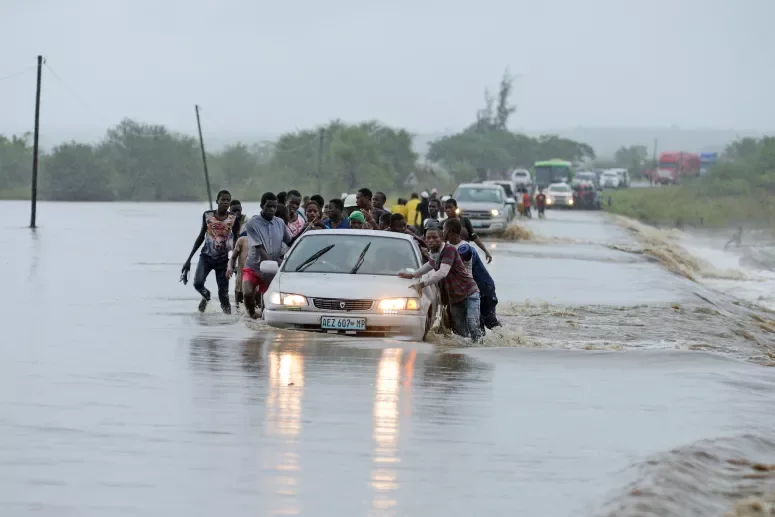
Mozambique is considered one of the African countries most vulnerable to the effects of climate change and is regularly affected by floods, tropical cyclones and severe storms.
Data from the National Institute for Disaster Risk Management and Reduction indicates that at least 314 people died and more than one million were affected across the country during the 2025-2026 rainy season.
The figures also show that around 260,000 homes were affected by the rains, including 211,655 that were flooded, 15,616 completely destroyed and 31,081 partially damaged.
Authorities also recorded 19 missing people and 361 injuries, as well as significant damage to public infrastructure, including roads, bridges and culverts.
Flooding recorded in January alone caused 43 deaths, left 147 people injured and nine missing, while affecting more than 715,000 people in several parts of the country.
In February, Cyclone Gezani struck Inhambane Province, killing four people and affecting more than 9,000, further worsening the impact of the rainy season.
During the same period, damage was recorded to around 9,735 kilometres of roads, 52 bridges and 237 culverts, increasing recovery and reconstruction needs in the affected areas.