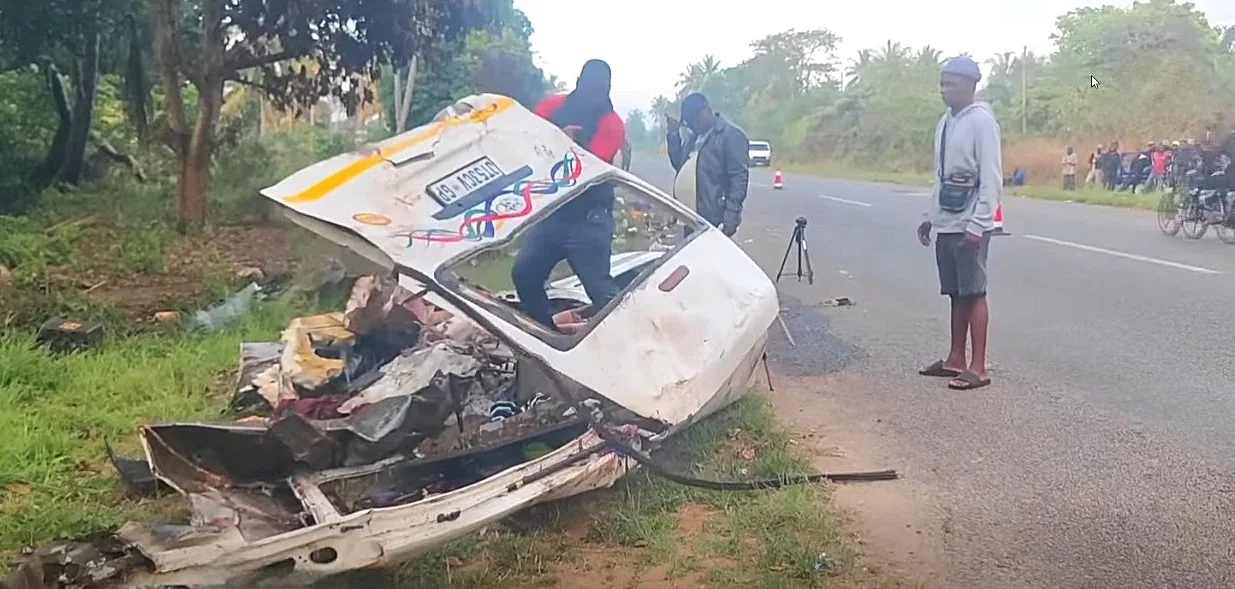
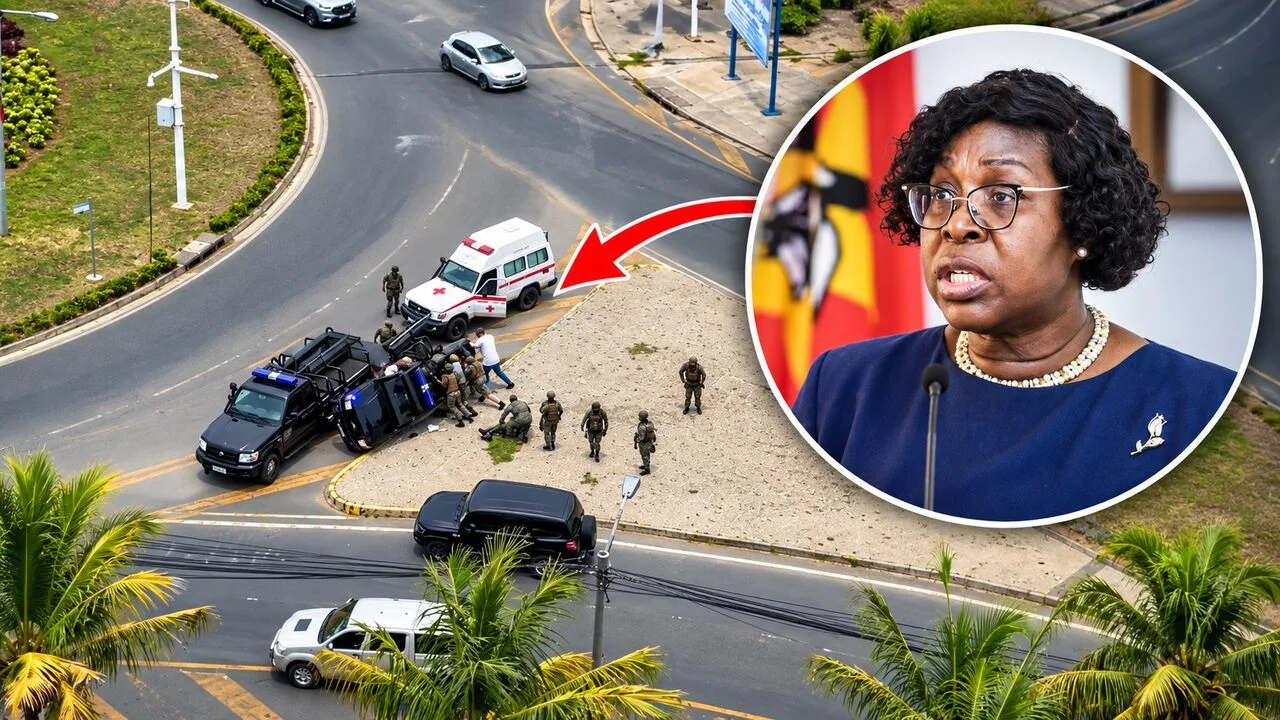
The accident occurred on National Road Number One, in Zavala district, Inhambane province, and involved a military truck and a semi-collective passenger transport vehicle.
All 24 occupants of the passenger vehicle died, while those travelling in the military vehicle survived.
According to preliminary information released by the authorities, mechanical defects were identified in the military truck, although the definitive causes of the accident are still under investigation.
Jaime Satar, from the Association of Driving Schools, said it is necessary to clarify under what conditions the military vehicle left the workshop or parking area where it had been kept.
“It is already known that the vehicle had mechanical problems, so why was it allowed on the road?” he questioned.
Satar argues that if it is confirmed that the problems were known before the journey, responsibility should be established for whoever authorised the vehicle to circulate.
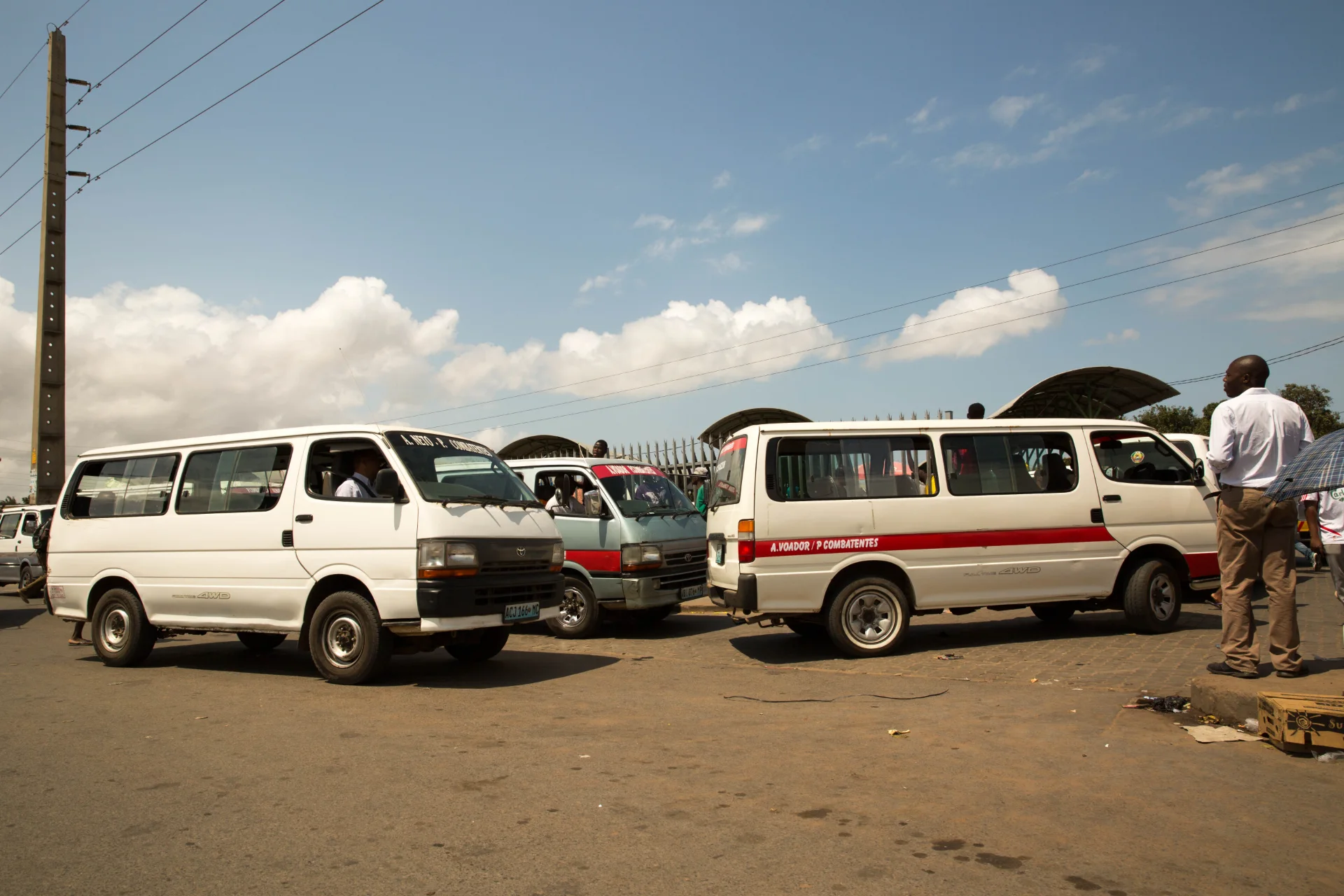
The tragedy has also raised questions about the condition of the semi-collective passenger vehicle. Police determined that it was carrying passengers above its authorised capacity, and four traffic police officers were suspended while investigations continue into how the vehicle managed to pass through checkpoints.
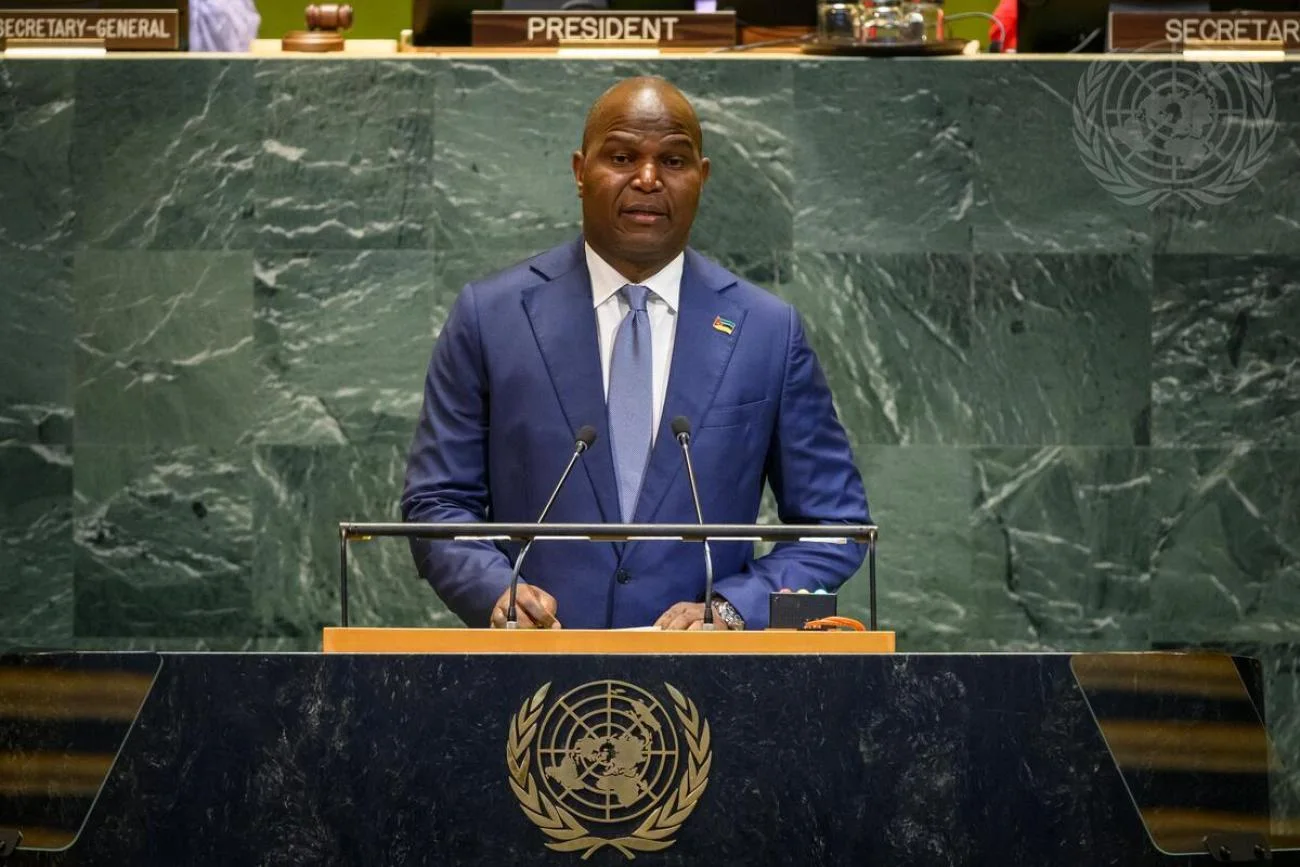
Legal expert Alexandre de Sousa said that if responsibility by state agents is established, there may be grounds for holding the State civilly liable.
According to the lawyer, the fact that the driver of the military vehicle was on duty for the Armed Forces could be relevant in determining responsibility, although any conclusion will depend on the outcome of the investigations.
De Sousa added that if negligence, fault or other traffic violations are proven, individual criminal responsibility could also be considered.
Authorities continue to investigate the circumstances of the accident, including the mechanical condition of the vehicles, driving conduct, passenger overload and the actions of traffic control points along the EN1.