All 435 seats in the House of Representatives and 35 of the 100 seats in the Senate, the two chambers that make up the US Congress, are being contested. At the same time, 36 states are holding gubernatorial elections, alongside elections for other state and local political offices.
The elections are taking place amid intense competition between Republicans and Democrats, with both parties seeking voter support at a time when issues such as the cost of living, immigration, the economy and the Trump administration's policies dominate political debate.
Currently, the Republican Party controls both chambers of Congress, holding a narrow majority in the House of Representatives and 53 seats in the Senate, compared with 45 Democrats and two independents who generally align with them.
Losing control of either chamber could make it more difficult for President Trump to pass legislative proposals, while maintaining Republican majorities would allow the administration to continue benefiting from stronger congressional support.
Elections Could Limit Trump's Administration
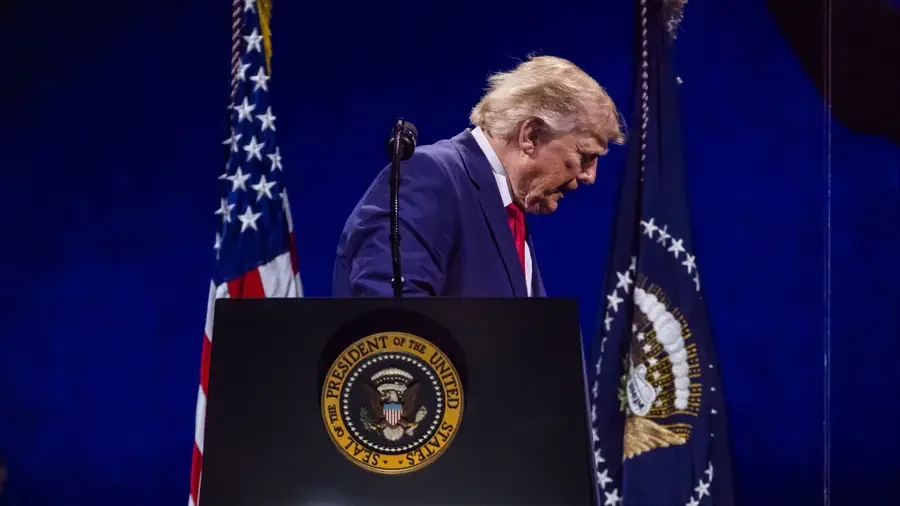
Although Donald Trump himself is not on the ballot, the election results will be decisive for the second half of his presidential term, which ends in January 2029.
A Democratic victory in either the House of Representatives or the Senate could enable the opposition to strengthen oversight of government activities, launch congressional investigations and exert greater influence over legislative decisions.
On the other hand, if Republicans retain control of both chambers, Trump could continue to benefit from a more favourable political environment to advance proposals related to the economy, immigration, fiscal policy and other administration priorities.
During the final stages of the election campaign, the US President participated in events supporting Republican candidates, seeking to mobilise voters around the importance of maintaining the party's congressional majority.
Midterm elections are held every two years and traditionally provide voters with an opportunity to assess the performance of the administration in office.
Economy and Cost of Living Influence Voters
The US economic situation has been one of the main issues shaping the campaign, particularly rising prices for essential goods, housing costs, fuel prices and healthcare expenses.
Concerns about household purchasing power have occupied a central place in the electoral debate, with Democrats and Republicans presenting different proposals to address the country's economic challenges.
US trade policy, including tariffs on imported goods, has also been a major topic of discussion due to its potential effects on prices, investment and business activity.
Other issues, such as immigration, reproductive rights, national security and the development of artificial intelligence, have also featured prominently in the campaign.
More Than 57 Million Americans Voted Early
The electoral process has also been marked by high levels of early voting. According to data from the University of Florida's Election Lab, more than 57 million Americans had already cast their ballots by Monday, 2 November, exceeding the approximately 46 million early votes recorded during the 2022 midterm elections.
These figures reflect strong voter mobilisation, although they do not provide a reliable indication of the final outcome of the contest between Democrats and Republicans.
The 2026 elections could also become the most expensive in US history, with estimates from the independent organisation OpenSecrets suggesting spending of approximately $11.9 billion on campaigns and political activities associated with the vote.
The results will determine the composition of the new Congress, which will take office on 3 January 2027, establishing a new balance of political power in Washington.
The election outcome will be closely monitored by financial markets and the United States' international partners, given Congress's influence over economic policy, international trade, the federal budget and the foreign relations of the world's largest economy.