The announcement was made on Thursday by EDM Executive Director António Munguambe during the International Investment Conference taking place in the city of Tete.
"We have already appointed the consultant, so the tender will, in principle, be launched during this quarter," the official said, adding that financing for the project had been secured.
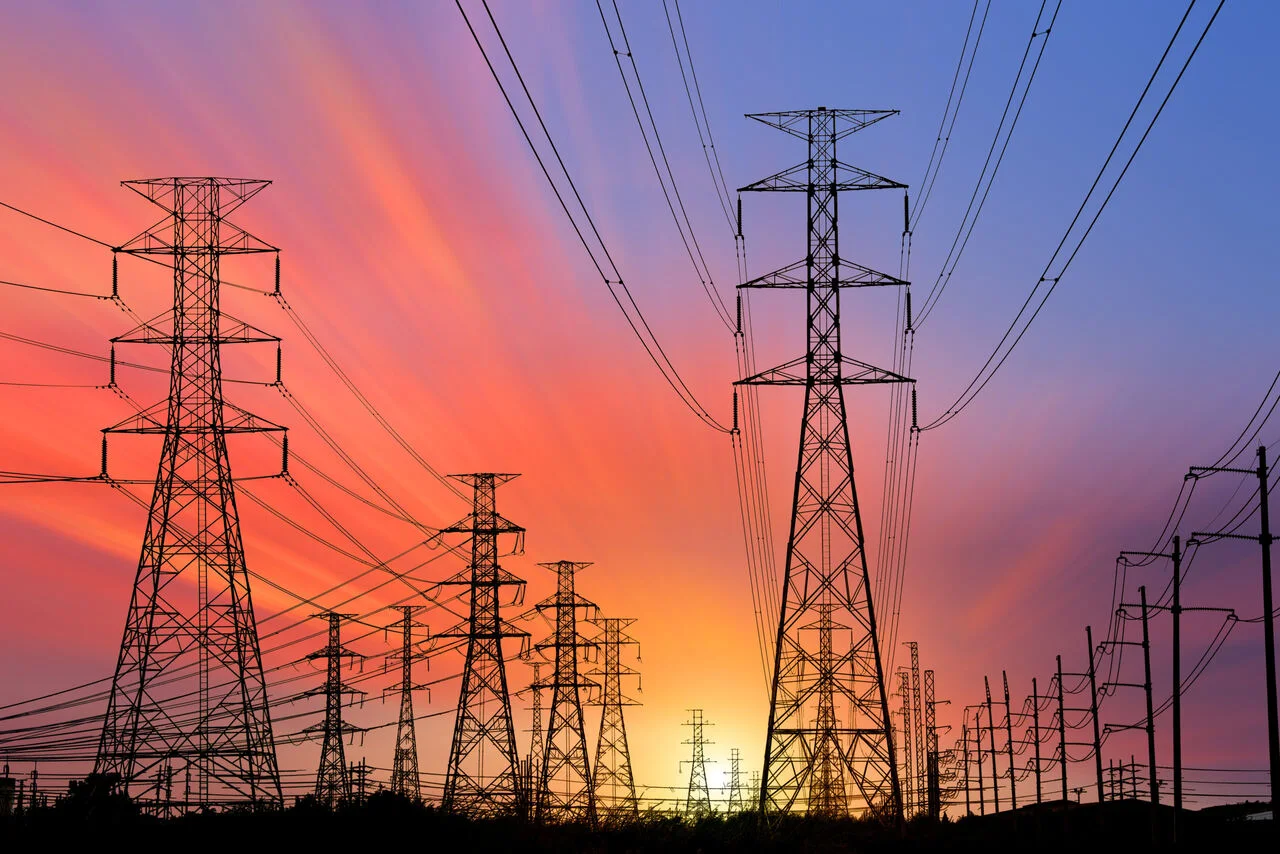
The infrastructure will have a capacity of up to 66 kilovolts (kV) and forms part of EDM’s strategy to strengthen electricity transmission and distribution, while facilitating the integration of renewable energy sources into the national power system.
According to Munguambe, the project falls under the company’s "green corridors" concept, which aims to develop infrastructure capable of meeting growing electricity demand and diversifying energy sources.
"The idea is to create highways that will enable us to strengthen not only conventional energy sources, but also the introduction and integration of new renewable energy sources into the system," he explained.
The first phase of the project is expected to cover the Songo–Matambo section, connecting the Songo area, home to the Cahora Bassa hydropower plant, to the Matambo substation in Changara District.
The investment comes amid a recovery in national electricity generation. In the first half of 2026, Mozambique produced approximately 8.06 million megawatt-hours (MWh) of electricity, an increase of 8.8% compared with the same period in 2025, according to government data.
The recovery was driven by improved hydropower generation following adverse hydrological conditions that affected the sector in 2025. In July, Hidroeléctrica de Cahora Bassa announced that the reservoir’s usable storage capacity had reached 56%, allowing operational restrictions to be lifted.
In 2025, total electricity production in Mozambique fell by 25.4% to 14.4 million MWh, mainly due to a 30.7% decline in hydropower generation.