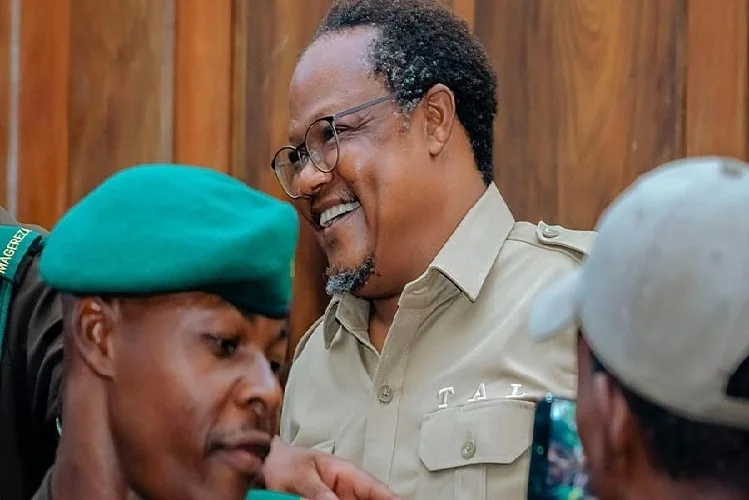
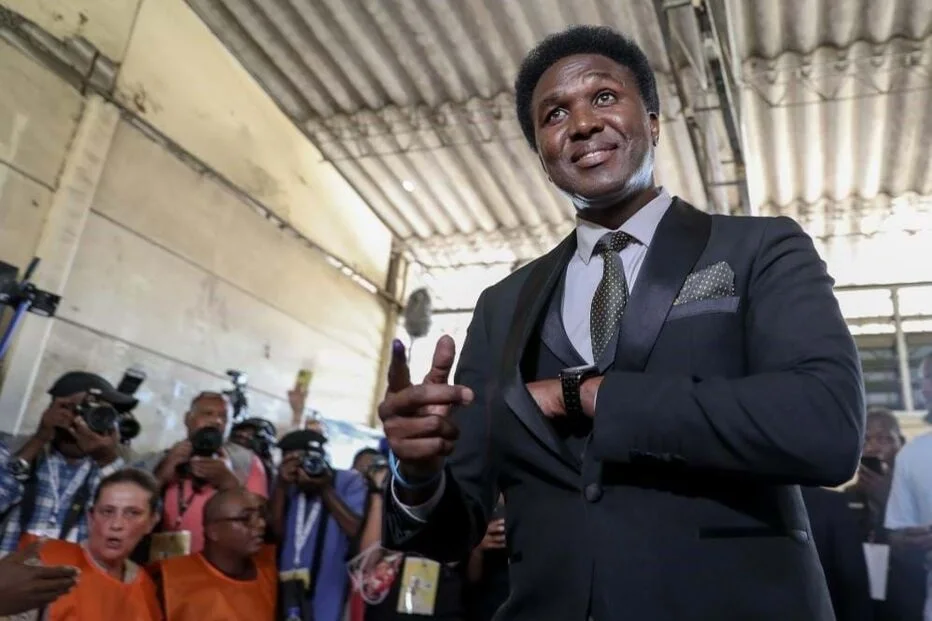
Tundu Lissu, 58, chairman of the opposition Party for Democracy and Progress (Chadema), had been detained since April 2025 following public statements in which he called for electoral reforms ahead of the general elections held in October of that year.
The sentence was handed down by the High Court in Dar es Salaam, which found insufficient evidence to support the treason charge. However, the judges ruled that the opposition leader's statements amounted to incitement to disrupt the electoral process, resulting in a four-year prison sentence.
The court relied on provisions of criminal law allowing a defendant to be convicted of a lesser offence, even when that offence was not formally included as a separate charge.
During the trial, prosecutors argued that Lissu had encouraged his supporters to obstruct the 2025 presidential elections through a campaign demanding changes to the electoral system.
The opposition leader rejected the allegations, maintaining that his statements were part of the legitimate exercise of political activity. Following the verdict, he again described the proceedings as political persecution intended to exclude him from public life.
His defence team announced plans to appeal the ruling and seek his release on bail.
The conviction comes amid heightened political tensions in Tanzania following the October 2025 presidential elections, in which President Samia Suluhu Hassan was declared the winner with approximately 98% of the vote. The electoral process was marked by the exclusion of major opposition figures.
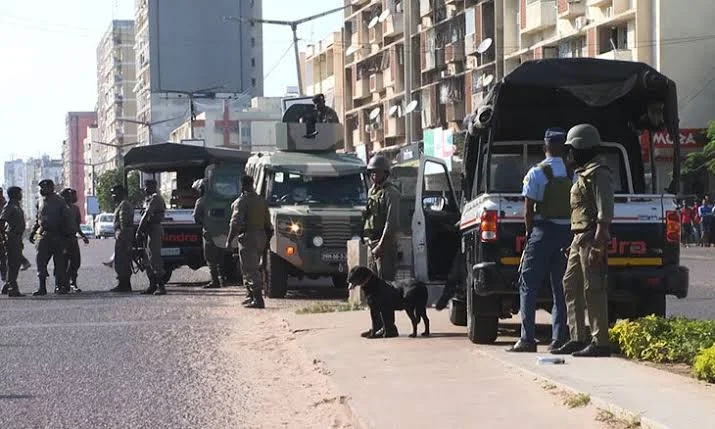
The election period was also accompanied by demonstrations, arrests and clashes between protesters and security forces. A commission appointed by the President acknowledged at least 518 deaths during the unrest, while human rights organisations reported alleged abuses and called for independent investigations.
Amnesty International and Human Rights Watch criticised Lissu's conviction, raising serious concerns about political freedoms and the right to a fair trial.
The organisations argued that his acquittal on the treason charge did not resolve broader concerns about the use of the judicial system against opposition figures.
The case has renewed debate over Tanzania's political situation and the protection of fundamental rights, as the Government faces international criticism over the suppression of demonstrations and restrictions on opposition political activities.
Tundu Lissu is one of Tanzania's most prominent opposition figures. In 2017, he survived an assassination attempt in which he was shot multiple times and subsequently underwent numerous surgical procedures.
Following the latest conviction, the opposition leader remains in custody as his legal team prepares to challenge the sentence through the judicial system.