


Russia: Cyberattack Hits Voting System
By Délio Timane 2 min
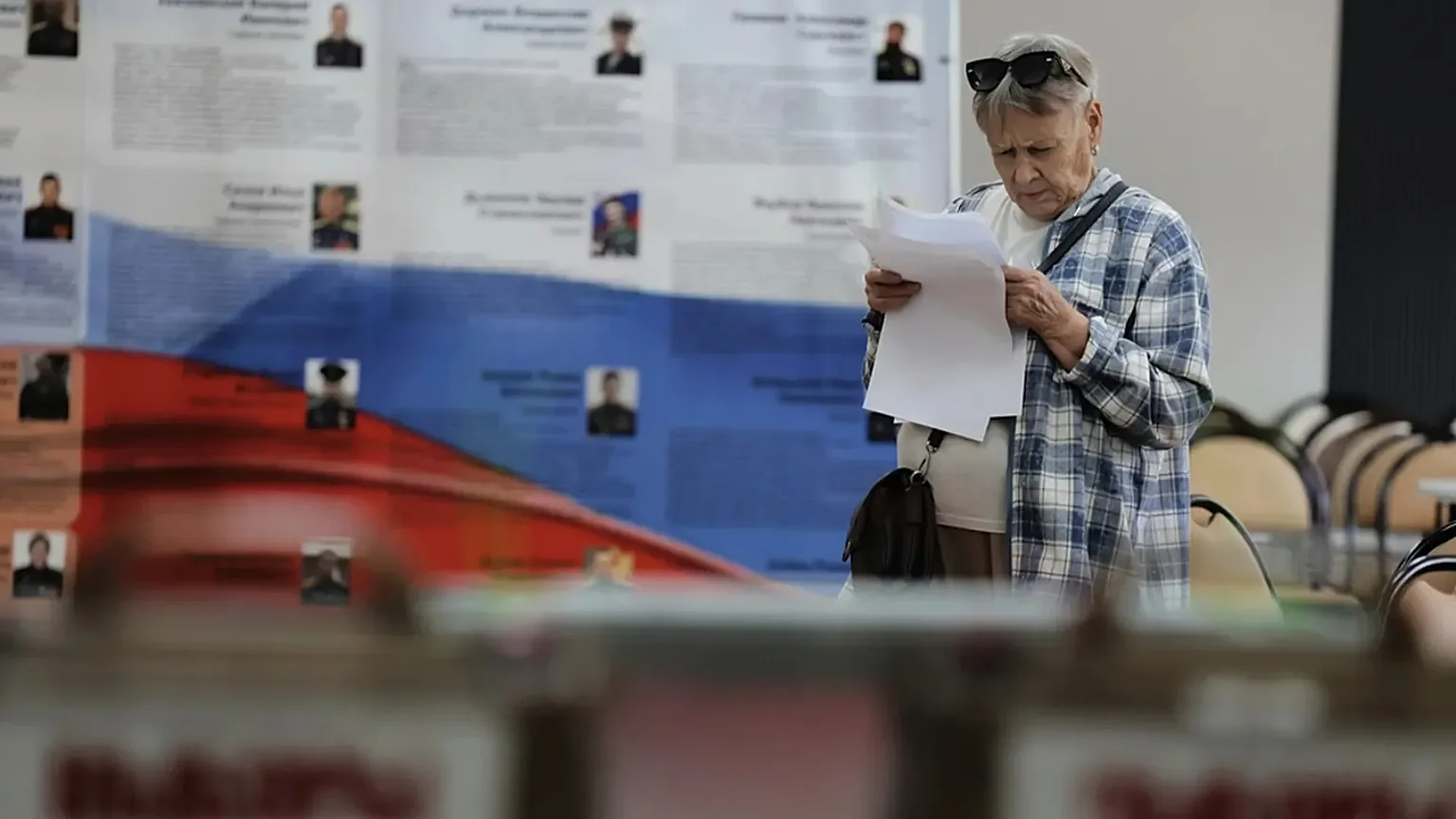
Russia’s Central Election Commission said the electronic voting system in Moscow was targeted by a major cyberattack overnight as parliamentary elections continued across the country.
See more BNEWS on Google
Russia’s Central Election Commission said the electronic voting system in Moscow was targeted by a major cyberattack overnight as parliamentary elections continued across the country.
According to Central Election Commission chair Ella Pamfilova, the attack was intense and prolonged, but authorities said the system continued to operate normally.
Pamfilova said the authorities’ priority was to ensure that the elections were conducted properly and maintained public credibility.
A hacker group known as CikLeak claimed responsibility for breaching the servers, saying it wanted to draw attention to what it described as a lack of transparency in the electronic voting system.
The group claims the system could allow manipulation of election results. Russian authorities reject these allegations and say the electoral process is functioning normally.
Electronic voting plays a significant role in the elections, particularly in Moscow, where a large number of voters have chosen to cast their ballots online.
According to the Central Election Commission, around one-third of Russian voters had already cast their ballots during the first days of voting.
Russian President Vladimir Putin also voted online, along with several senior government officials.
The parliamentary elections are being held over three days and will determine the composition of the State Duma, the lower house of Russia’s parliament.
The United Russia party is seeking to retain its parliamentary majority in an election taking place against the backdrop of the war in Ukraine and concerns raised by opposition figures over the transparency of the electoral process.
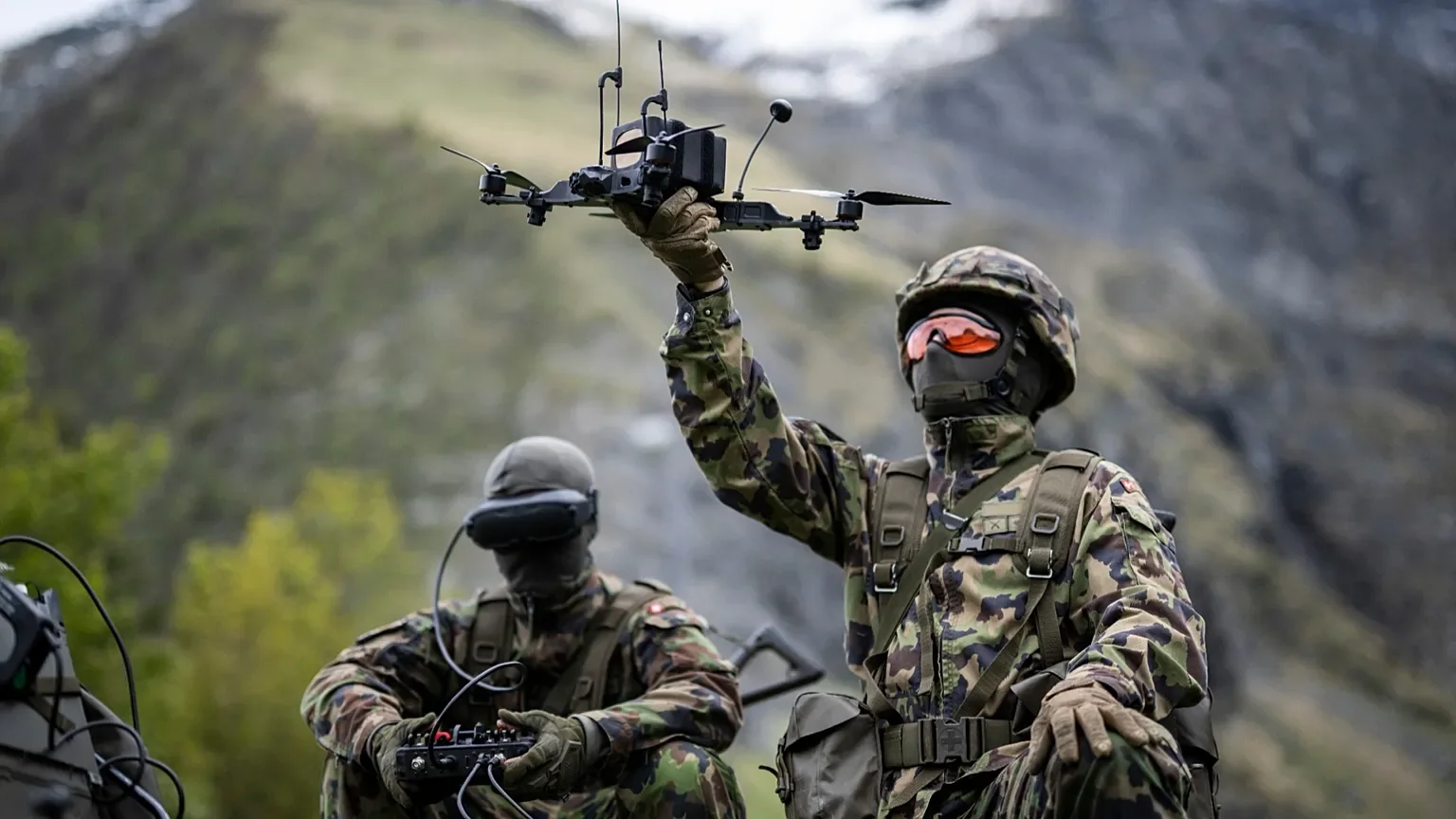
Mozambican President Daniel Chapo on Monday (16) called for the establishment of a national defence industry capable of developing and manufacturing military equipment, including drones, counter-drone systems and other technologies aimed at strengthening national security and enhancing the operational capabilities of the Defence and Security Forces (FDS).
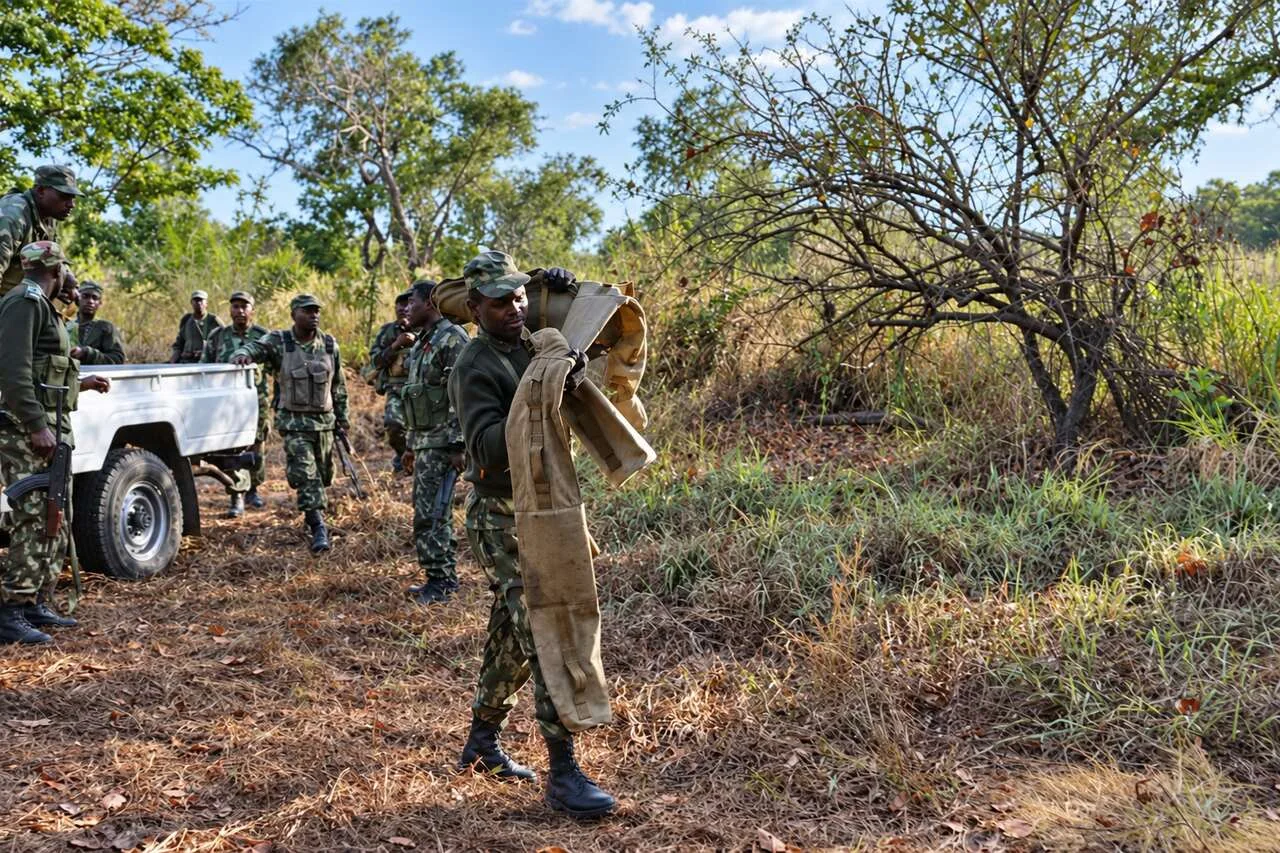
Mozambican President Daniel Chapo has acknowledged that terrorism continues to pose a threat to national security, despite progress in the fight against armed groups operating in the northern province of Cabo Delgado. The Head of State said the security situation has improved in recent years but admitted that sporadic attacks on some villages are still taking place.
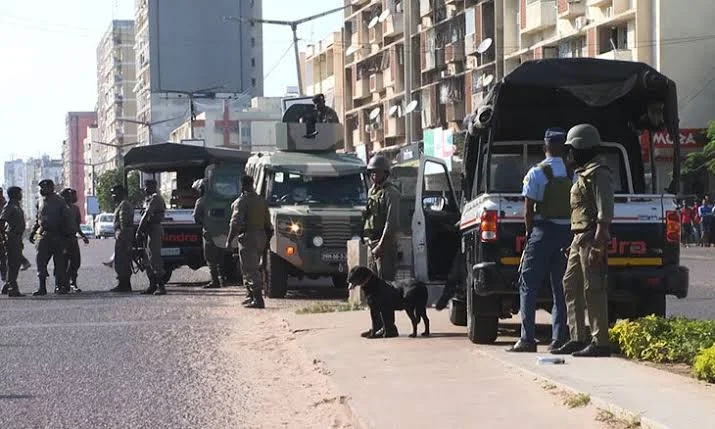
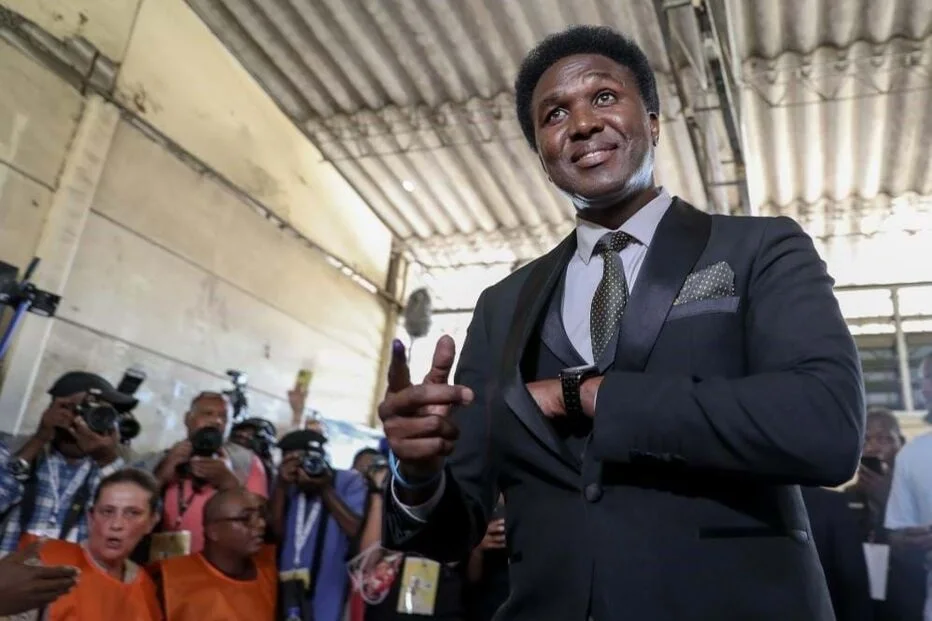
The Mozambique Republic Police (PRM) on Monday (16) called on the public to remain calm and maintain public order during the trial of former presidential candidate Venâncio Mondlane, scheduled to begin on Tuesday (17) at the Supreme Court in Maputo.
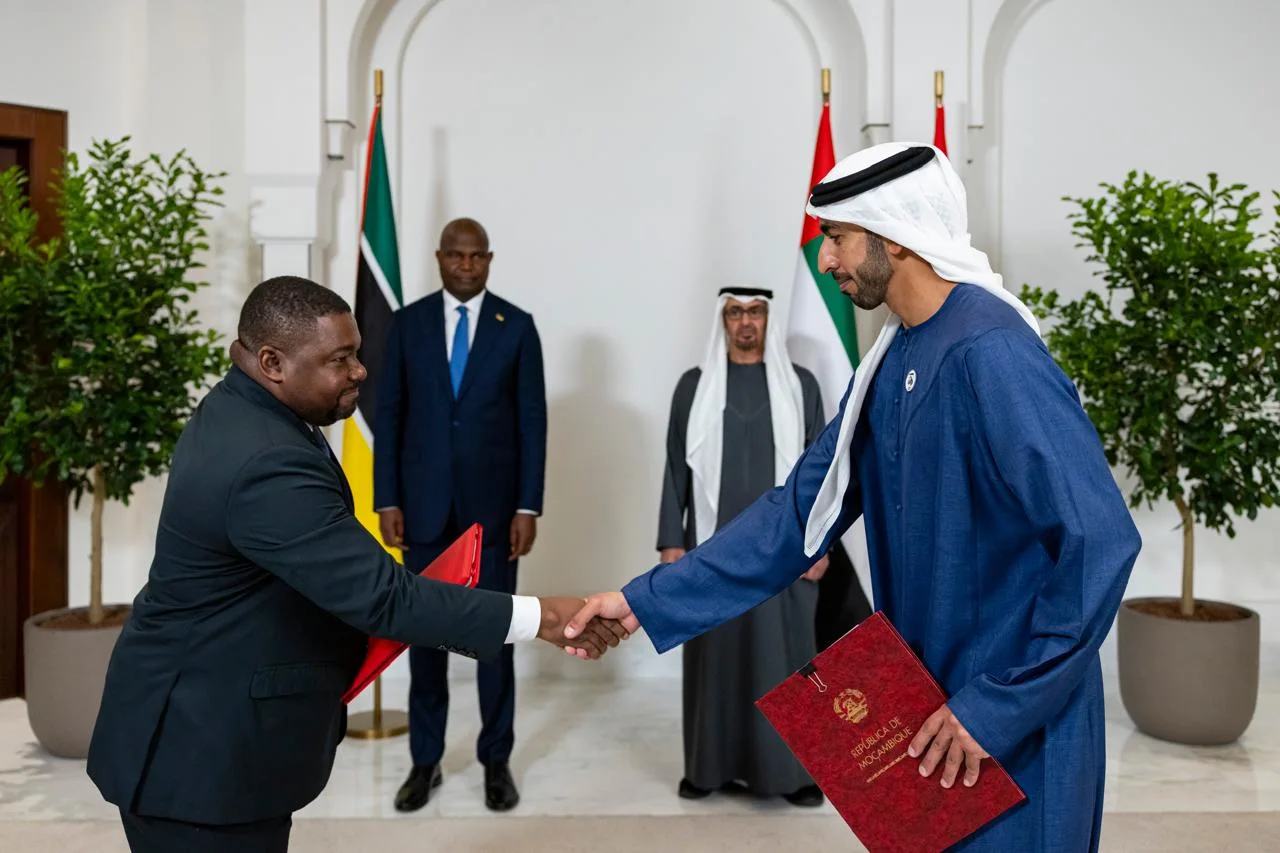
Mozambique is seeking to attract new investment from the United Arab Emirates (UAE) into strategic sectors of its economy, including agriculture, industry, energy and infrastructure, through a Comprehensive Economic Partnership Agreement (CEPA), negotiations for which were concluded on Saturday (14) in Abu Dhabi.
Choose BNEWS as a preferred source and see more of our reporting when you search on Google.
Mozambique's Supreme Court has decided to restrict media access to the trial of former presidential candidate Venâncio Mondlane, scheduled to begin on Tuesday (17) in Maputo. The court has reserved permanent places for only ten media outlets, leaving the remaining organisations to compete for four rotating slots, a decision that has sparked criticism over press freedom and the transparency of judicial proceedings.
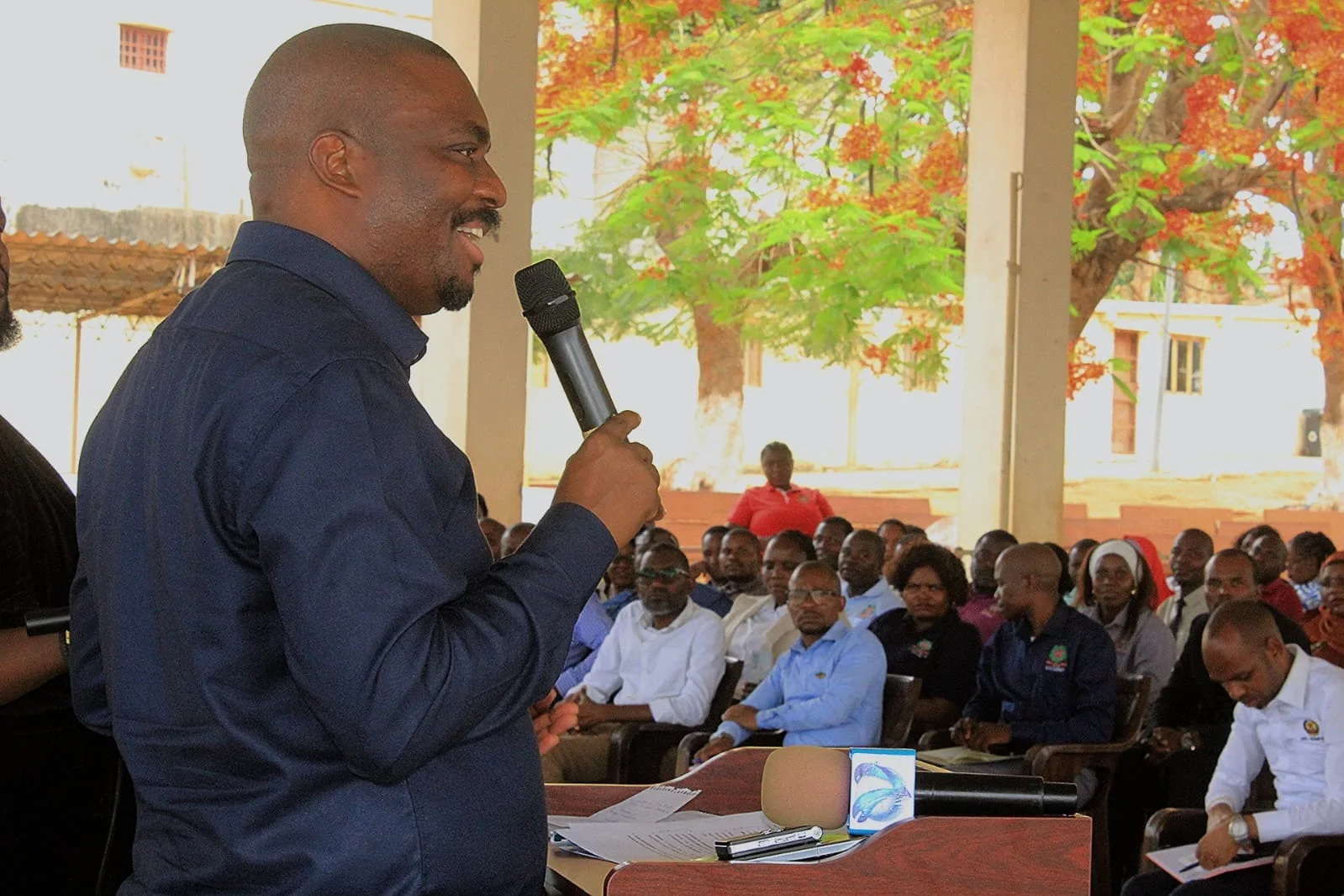
The Mozambican Government is developing a new calculation formula to ensure regular monthly payments for teachers' overtime, in a move aimed at addressing accumulated arrears and providing greater predictability in teachers' remuneration.
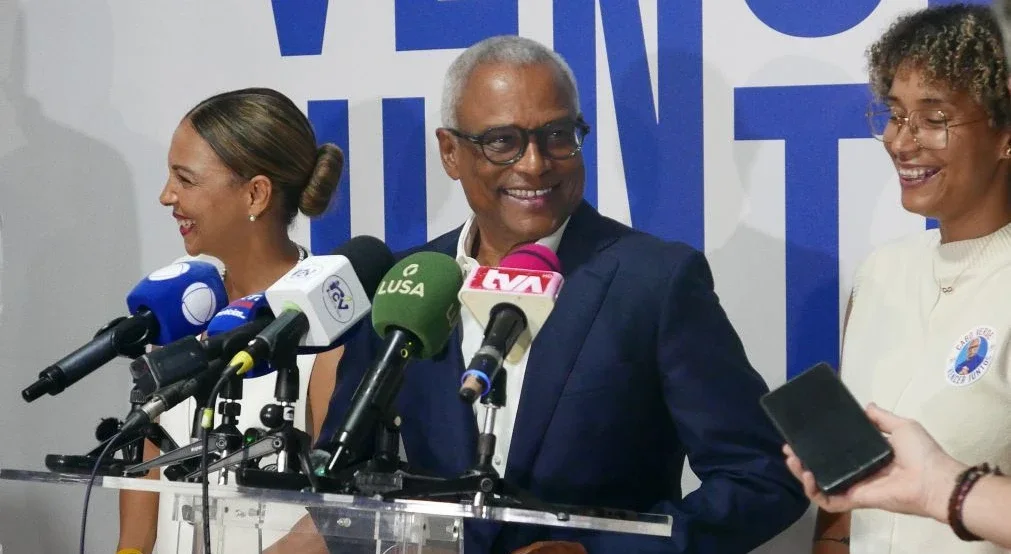
José Maria Neves has been re-elected President of Cape Verde after winning the presidential election held on Sunday (15) with approximately 64% of the vote, securing a second five-year term in office. However, the election was marked by a high abstention rate, with around 68% of registered voters staying away from the polls.
Mozambique's Net International Reserves (NIR) fell by approximately 19.7% between February and September 2026, equivalent to around $838 million, according to the latest data from the Bank of Mozambique. Despite a slight recovery in September, reserves remain at their lowest levels in recent months.