Niassa: Defence Forces Deny Expansion of Terrorism in the Region

Mozambique’s Defence and Security Forces have rejected, for now, claims that the recent attack recorded in Niassa province represents an expansion of terrorism into the region.
See more BNEWS on Google

Mozambique’s Defence and Security Forces have rejected, for now, claims that the recent attack recorded in Niassa province represents an expansion of terrorism into the region.
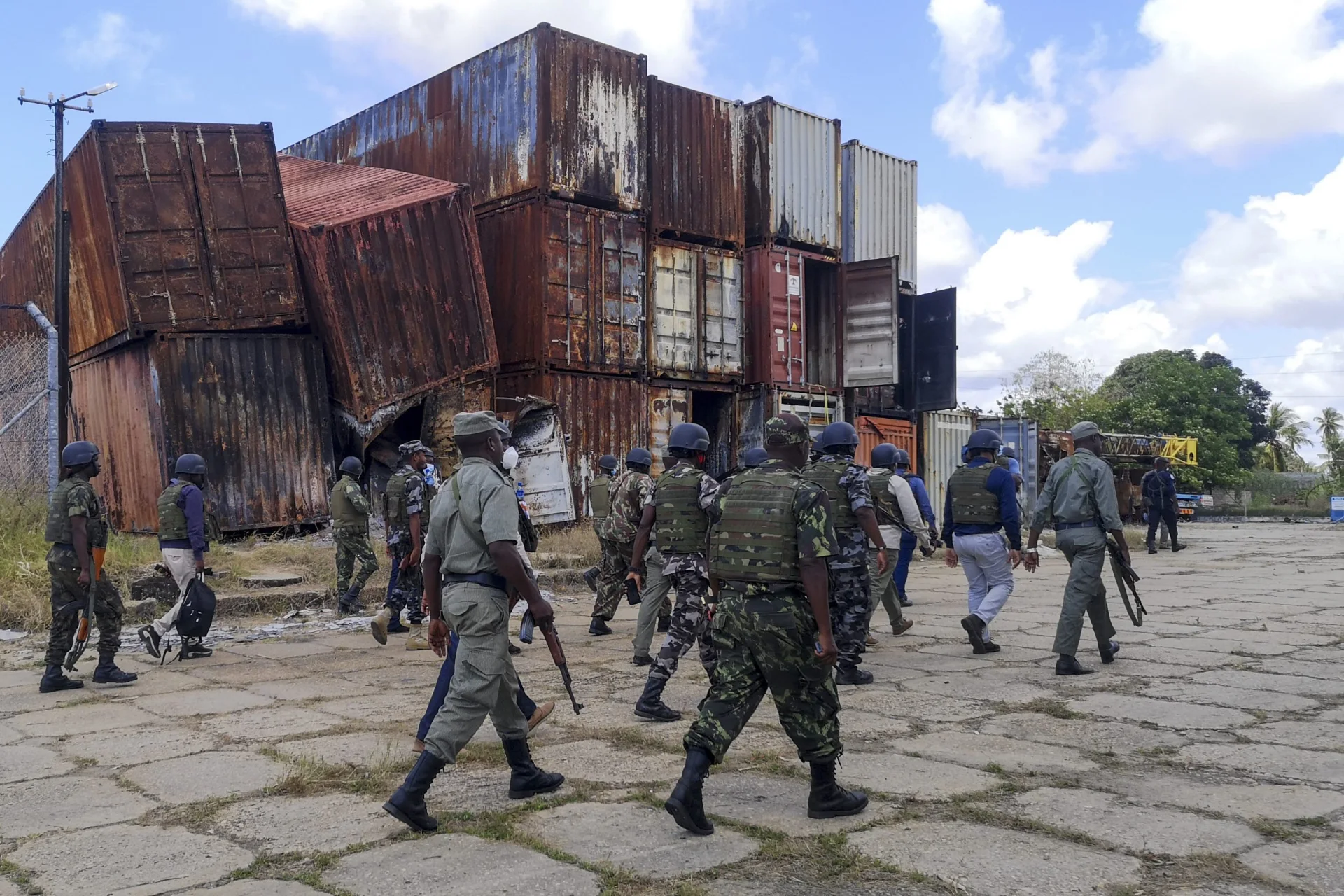
The position was presented by the spokesperson for the Mozambique Armed Defence Forces, Omar Saranga, following an attack on a tourist camp in the Niassa Special Reserve, which left at least one person dead, destroyed infrastructure, displaced thousands of people and led to the abduction of several individuals.
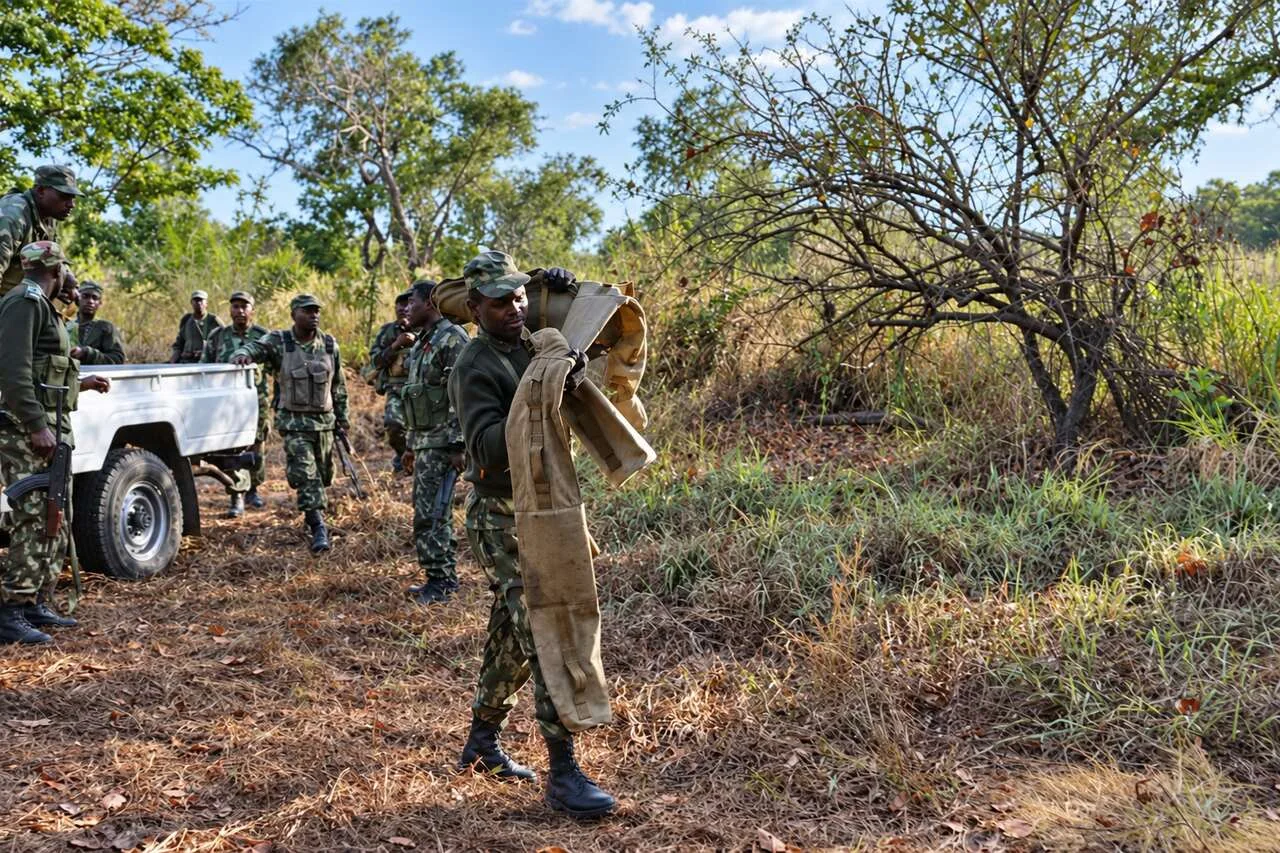
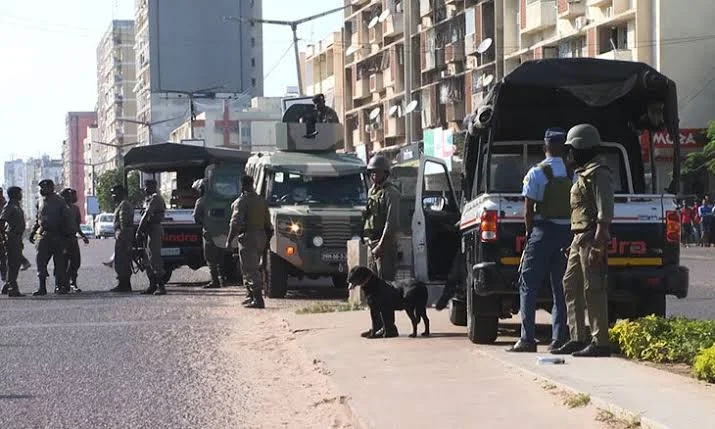
According to Saranga, the priority of the security forces remains the protection of local communities, maintaining the presence of the State and locating the groups responsible for the attacks.
“At this moment, the most important thing is to ensure the protection of the population, preserve the presence of the State and continue operations aimed at locating and neutralising the groups responsible for this type of action,” he said.
The spokesperson added that the incident in Niassa does not, at this stage, mean that terrorism has established a permanent presence in the province.
The attack took place on 4 September in the Marangira hunting area, within the Niassa Special Reserve. Authorities later reinforced security in the region.
Information released by the authorities indicates that the attackers may have come from neighbouring Cabo Delgado province, where armed groups have been active since 2017.
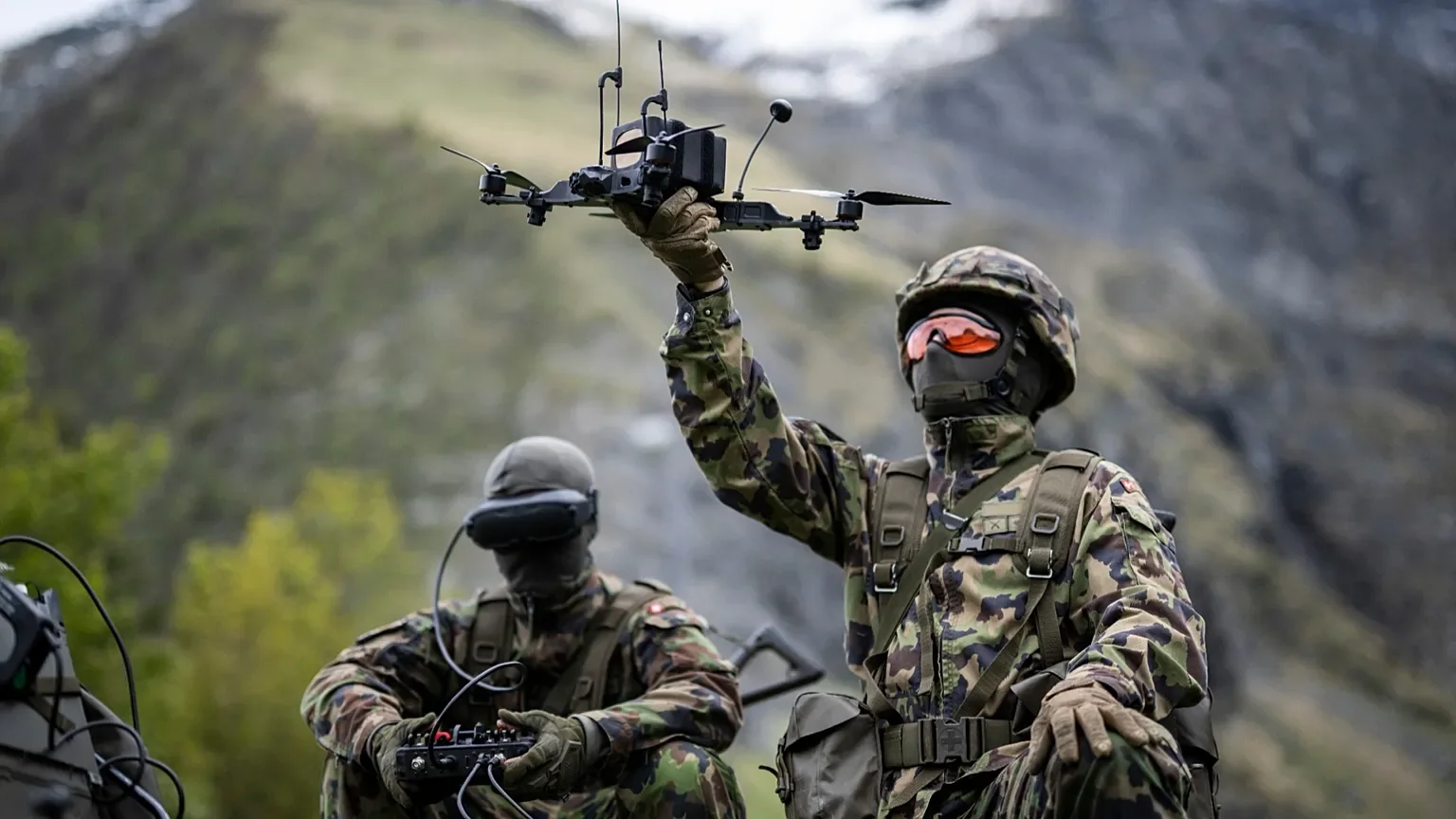
In the same context, Defence Minister Cristóvão Chume called for greater investment in the modernisation of the Armed Forces, particularly through the use of new technologies, continuous training and cooperation with partners.
Chume said the country is facing increasingly complex threats, including terrorism, organised crime and other risks that require a stronger response capacity from the defence forces.
Cabo Delgado remains the main focus of the armed insurgency in northern Mozambique, although sporadic incursions have also been recorded in recent years in neighbouring Niassa and Nampula provinces.

Mozambican President Daniel Chapo on Monday (16) called for the establishment of a national defence industry capable of developing and manufacturing military equipment, including drones, counter-drone systems and other technologies aimed at strengthening national security and enhancing the operational capabilities of the Defence and Security Forces (FDS).

Mozambican President Daniel Chapo has acknowledged that terrorism continues to pose a threat to national security, despite progress in the fight against armed groups operating in the northern province of Cabo Delgado. The Head of State said the security situation has improved in recent years but admitted that sporadic attacks on some villages are still taking place.

The Mozambique Republic Police (PRM) on Monday (16) called on the public to remain calm and maintain public order during the trial of former presidential candidate Venâncio Mondlane, scheduled to begin on Tuesday (17) at the Supreme Court in Maputo.

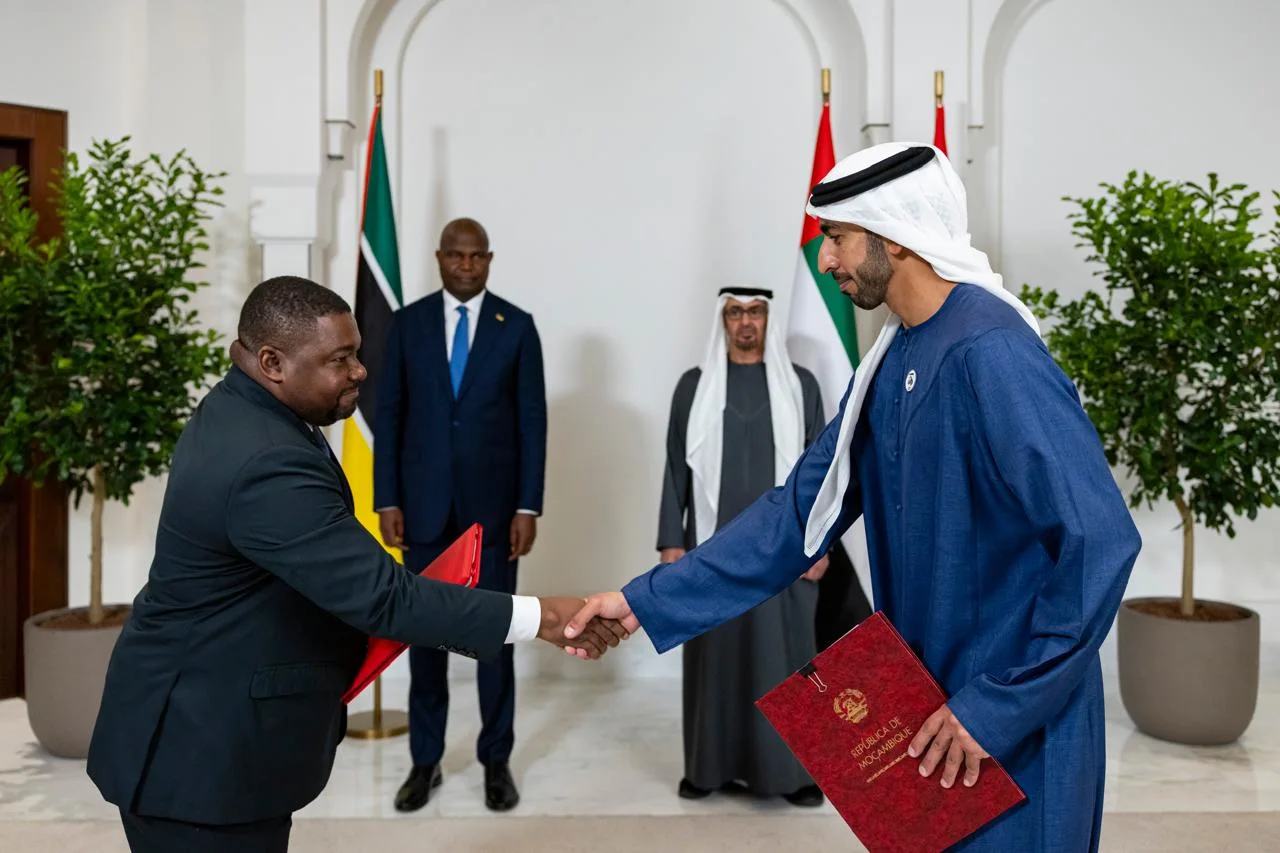
Mozambique is seeking to attract new investment from the United Arab Emirates (UAE) into strategic sectors of its economy, including agriculture, industry, energy and infrastructure, through a Comprehensive Economic Partnership Agreement (CEPA), negotiations for which were concluded on Saturday (14) in Abu Dhabi.

Choose BNEWS as a preferred source and see more of our reporting when you search on Google.
Mozambique's Supreme Court has decided to restrict media access to the trial of former presidential candidate Venâncio Mondlane, scheduled to begin on Tuesday (17) in Maputo. The court has reserved permanent places for only ten media outlets, leaving the remaining organisations to compete for four rotating slots, a decision that has sparked criticism over press freedom and the transparency of judicial proceedings.

The Mozambican Government is developing a new calculation formula to ensure regular monthly payments for teachers' overtime, in a move aimed at addressing accumulated arrears and providing greater predictability in teachers' remuneration.

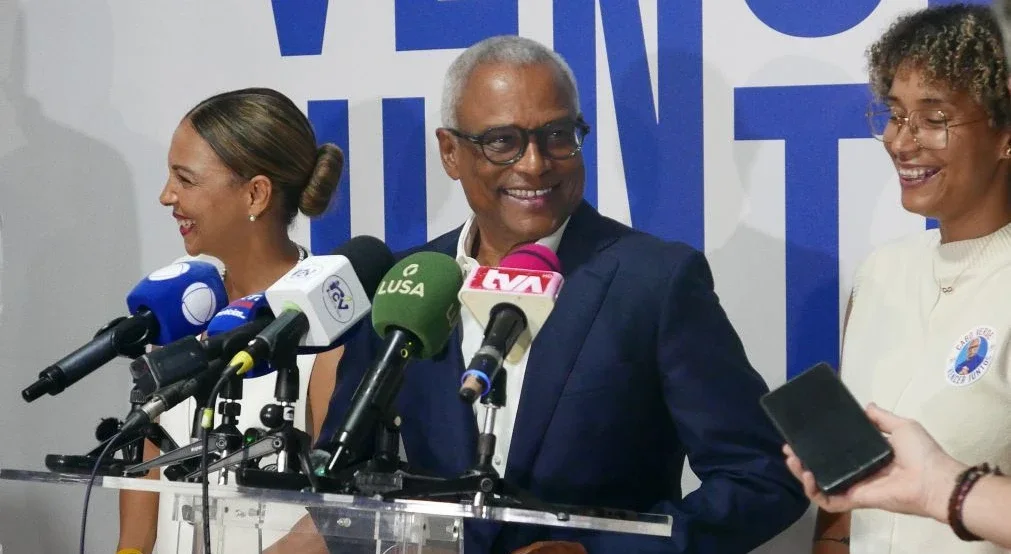
José Maria Neves has been re-elected President of Cape Verde after winning the presidential election held on Sunday (15) with approximately 64% of the vote, securing a second five-year term in office. However, the election was marked by a high abstention rate, with around 68% of registered voters staying away from the polls.

Mozambique's Net International Reserves (NIR) fell by approximately 19.7% between February and September 2026, equivalent to around $838 million, according to the latest data from the Bank of Mozambique. Despite a slight recovery in September, reserves remain at their lowest levels in recent months.

Carregando mais actualizações