Mozambique Wants Electric Bus Assembly Plant

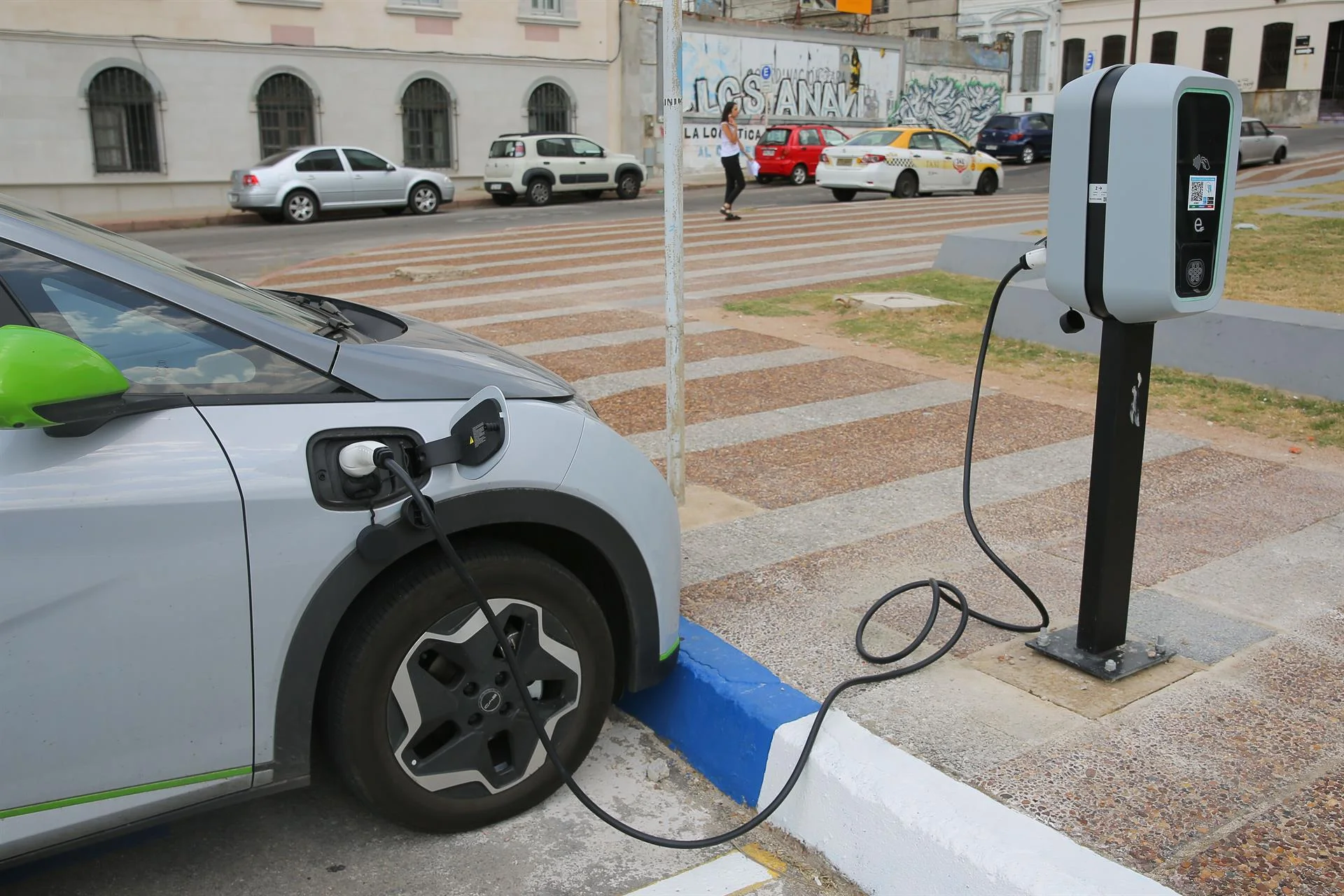
The Mozambican Government is seeking a private investor, consortium or strategic partner to install and operate an electric bus assembly plant for public passenger transport in the country.
See more BNEWS on Google

The Mozambican Government is seeking a private investor, consortium or strategic partner to install and operate an electric bus assembly plant for public passenger transport in the country.
The initiative, announced by the Ministry of Transport and Logistics, is intended to reduce dependence on fully assembled bus imports, strengthen national industrial capacity, create skilled jobs and promote cleaner mobility solutions.
According to the call for expressions of interest, the future industrial unit is expected to handle the assembly, maintenance and adaptation of electric buses, as well as technical training, the gradual integration of locally produced components and the provision of after-sales services.
The project will be developed through a public-private partnership, with the selected partner responsible for designing, financing, installing, equipping, operating and developing the industrial unit.
The selection process will run until 19 October, under Resolution No. 55/2026 of 17 July.
The Government wants the plant to be designed in a way that allows it, in the future, to assemble other types of vehicles and equipment, in line with the national strategy for industrial development and private investment promotion.
The focus on electric buses follows earlier Government efforts to carry out technical, legal, financial and institutional studies on the implementation of a national vehicle assembly unit.
The Government believes that local production could significantly reduce the cost of acquiring buses, improve operators’ ability to renew their fleets and reduce dependence on international markets.
Official estimates indicate that assembling buses in Mozambique could reduce acquisition costs by around 40%.
In addition to lowering costs, the project could support technology transfer, job creation, the training of national technicians and the development of the transport sector’s value chain.
The initiative could also create opportunities for local companies involved in supplying components, technical services, specialised maintenance and other activities linked to the automotive industry.
Plans to establish a vehicle assembly industry in Mozambique have been under discussion for several years. In March, the Government announced that Chinese company SG Automotive Group Co. was studying the possibility of setting up a vehicle assembly facility in the country, including electric buses.
According to information released by the Government at the time, that investment could create up to 3,000 jobs.
With the new tender, the Government is placing electric bus assembly at the centre of its strategy to modernise public transport and strengthen Mozambique’s industrial capacity.

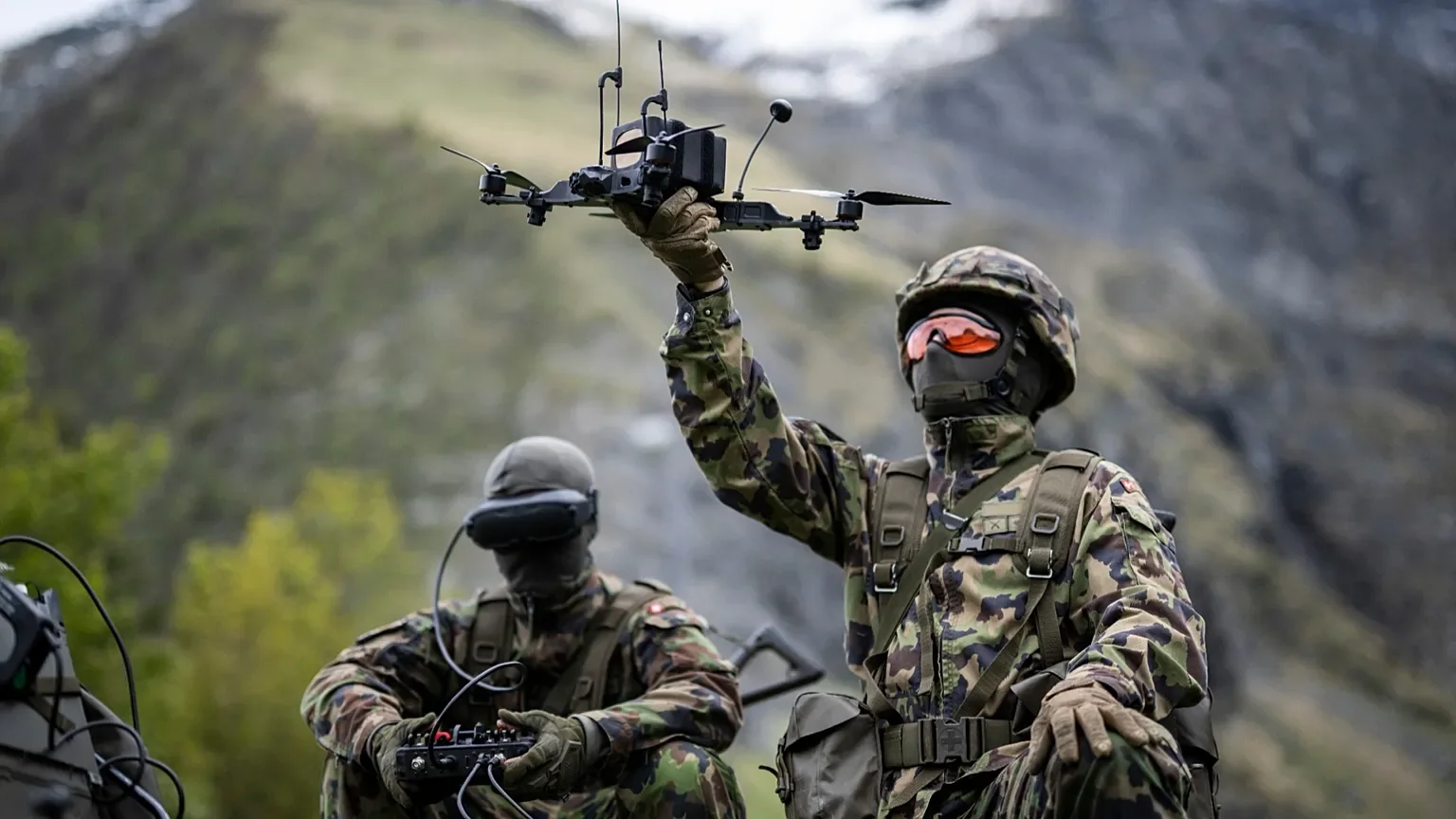
Mozambican President Daniel Chapo on Monday (16) called for the establishment of a national defence industry capable of developing and manufacturing military equipment, including drones, counter-drone systems and other technologies aimed at strengthening national security and enhancing the operational capabilities of the Defence and Security Forces (FDS).

Mozambican President Daniel Chapo has acknowledged that terrorism continues to pose a threat to national security, despite progress in the fight against armed groups operating in the northern province of Cabo Delgado. The Head of State said the security situation has improved in recent years but admitted that sporadic attacks on some villages are still taking place.

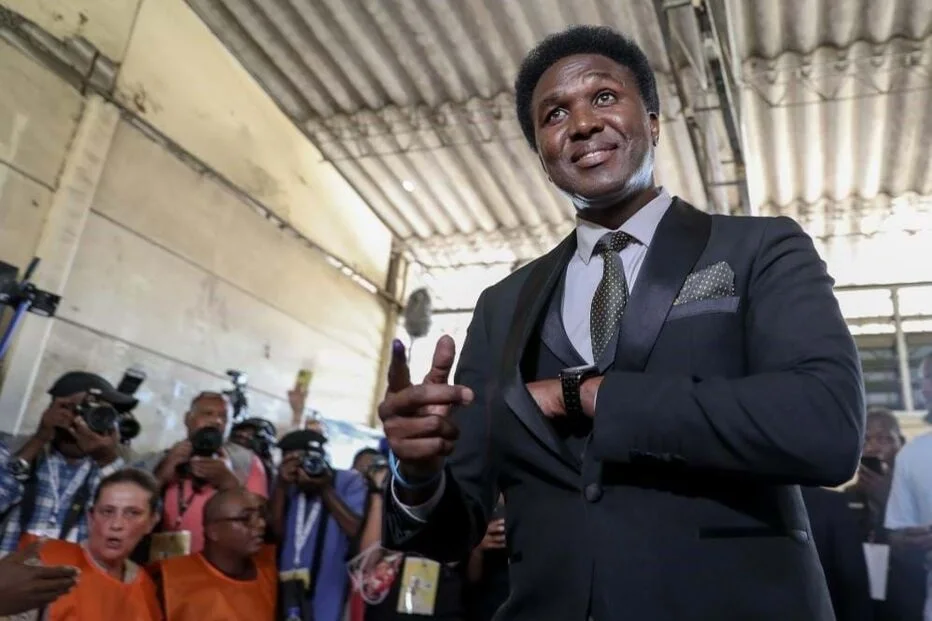
The Mozambique Republic Police (PRM) on Monday (16) called on the public to remain calm and maintain public order during the trial of former presidential candidate Venâncio Mondlane, scheduled to begin on Tuesday (17) at the Supreme Court in Maputo.

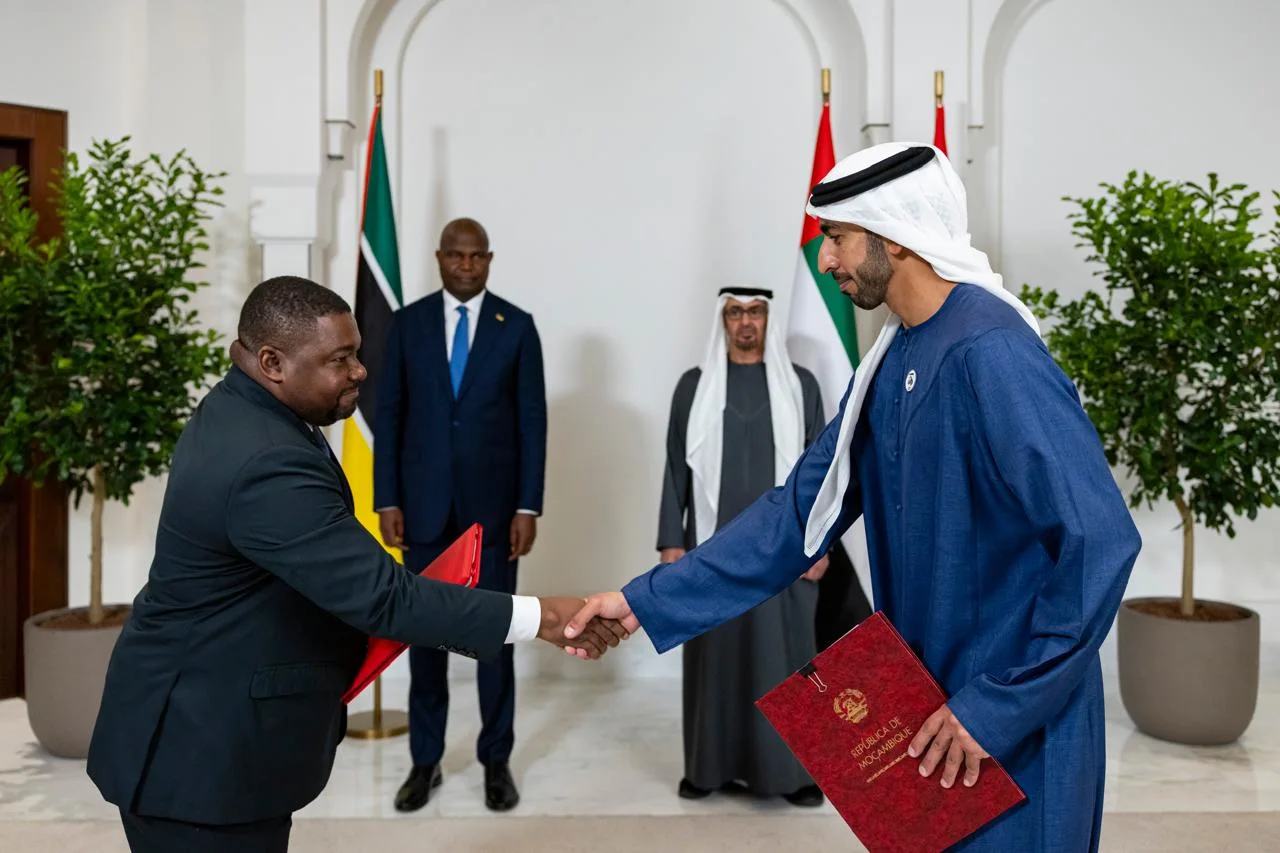
Mozambique is seeking to attract new investment from the United Arab Emirates (UAE) into strategic sectors of its economy, including agriculture, industry, energy and infrastructure, through a Comprehensive Economic Partnership Agreement (CEPA), negotiations for which were concluded on Saturday (14) in Abu Dhabi.

Choose BNEWS as a preferred source and see more of our reporting when you search on Google.
Mozambique's Supreme Court has decided to restrict media access to the trial of former presidential candidate Venâncio Mondlane, scheduled to begin on Tuesday (17) in Maputo. The court has reserved permanent places for only ten media outlets, leaving the remaining organisations to compete for four rotating slots, a decision that has sparked criticism over press freedom and the transparency of judicial proceedings.

The Mozambican Government is developing a new calculation formula to ensure regular monthly payments for teachers' overtime, in a move aimed at addressing accumulated arrears and providing greater predictability in teachers' remuneration.

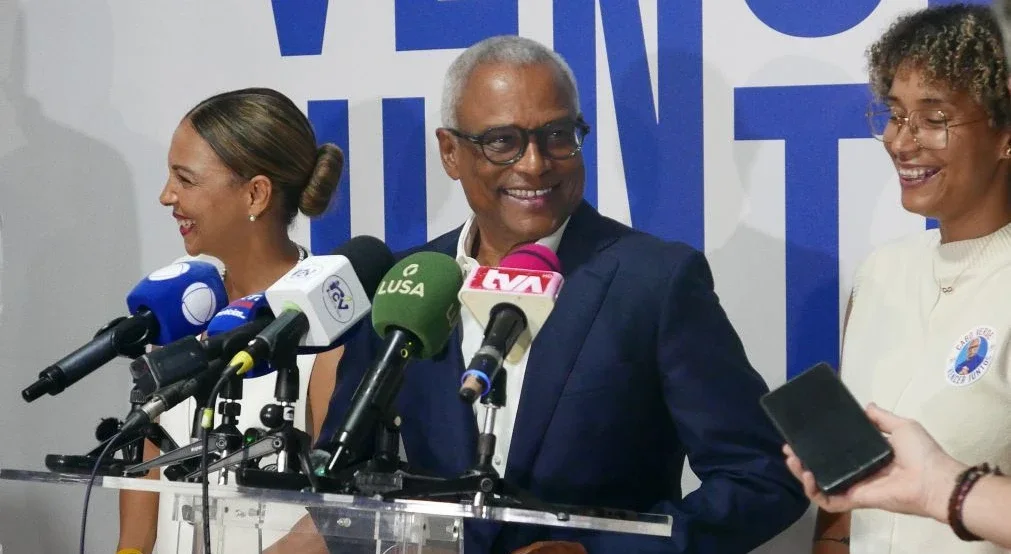
José Maria Neves has been re-elected President of Cape Verde after winning the presidential election held on Sunday (15) with approximately 64% of the vote, securing a second five-year term in office. However, the election was marked by a high abstention rate, with around 68% of registered voters staying away from the polls.

Mozambique's Net International Reserves (NIR) fell by approximately 19.7% between February and September 2026, equivalent to around $838 million, according to the latest data from the Bank of Mozambique. Despite a slight recovery in September, reserves remain at their lowest levels in recent months.

Carregando mais actualizações