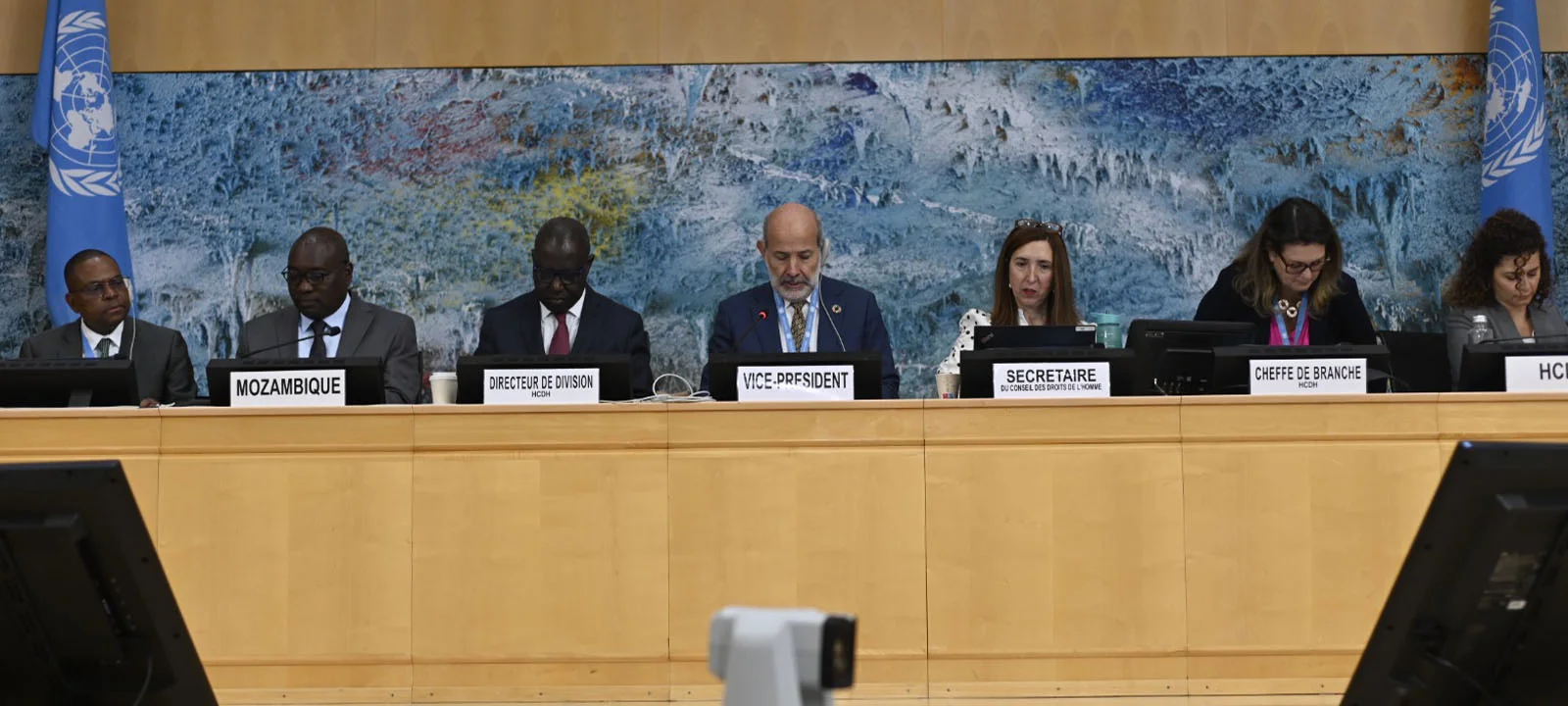
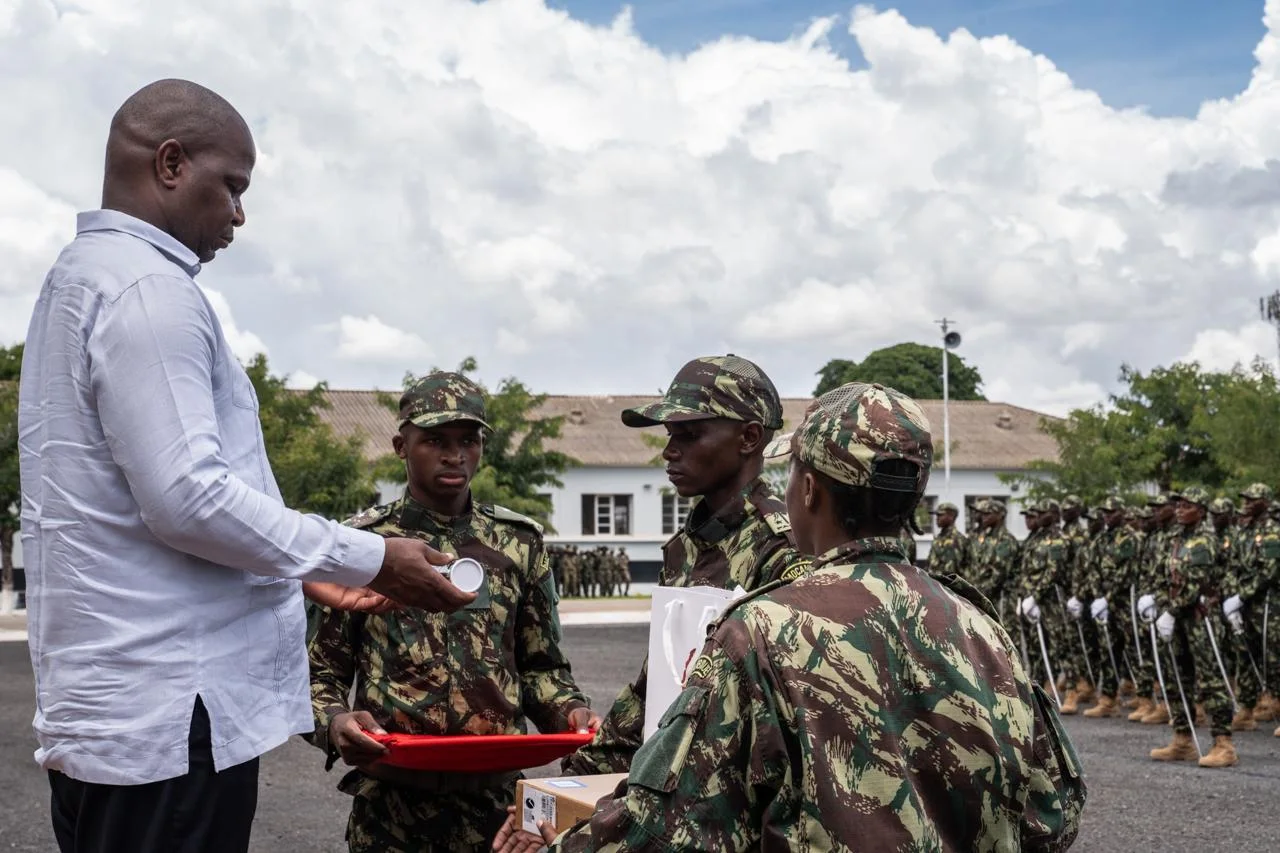
The position was presented in Geneva by the Minister of Justice, Constitutional and Religious Affairs, Mateus Saize, during the 63rd session of the United Nations Human Rights Council.
The recommendations were submitted by 109 delegations following the dialogue held in May. After a national process of analysis and consultation, Mozambique decided to accept 284 recommendations and note eight.
The main areas covered include access to justice, strengthening the rule of law, and protecting children, women, persons with disabilities and other vulnerable groups.
The Government also intends to strengthen national mechanisms for monitoring human rights, modernise the justice sector and improve conditions in the prison system.
Planned measures also include greater protection for children affected by conflict and displacement, including in Cabo Delgado, as well as the promotion of alternatives to imprisonment in certain cases.
Regarding the eight recommendations that were not directly accepted, the Government said this should not be interpreted as a rejection of human rights principles, but rather as a result of legal, institutional and social issues that still require further national discussion.
Among the matters still under consideration are issues related to the Rome Statute of the International Criminal Court. Mozambique is not currently a State Party to the treaty.
The Government says the next phase will focus on implementing and monitoring the accepted recommendations, involving public institutions, civil society organisations, academia and international partners.
The Universal Periodic Review is a United Nations mechanism through which the human rights situation of each member state is periodically assessed, resulting in recommendations submitted by other countries.