The figures were presented during the third edition of the Biannual Off-Grid Energy Forum, held in Maputo, which brought together more than 150 representatives from the Government, private sector, investors, development partners, academia and civil society.
Speaking at the event, National Director of Energy Marcelina Mataveia highlighted progress in expanding access to electricity but warned that significant challenges remain, particularly in rural areas.
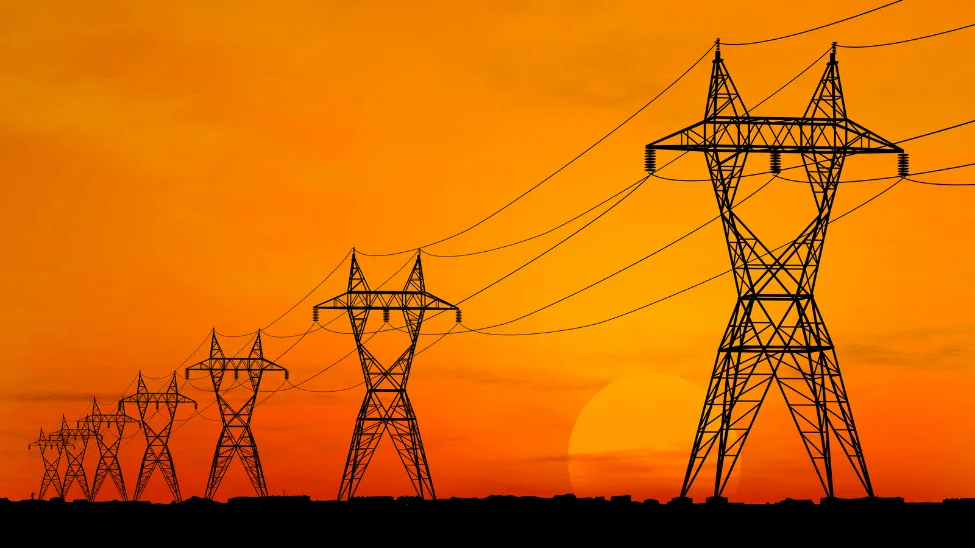
According to Mataveia, accelerating rural electrification requires a planned and coordinated approach involving different stakeholders to expand access and help the country achieve universal electrification by 2030.
Among the initiatives presented at the forum was the proposed Integrated Electrification Platform of Mozambique, developed by the Integrated Electrification Planning and Coordination Unit (UIPCE). The platform aims to strengthen coordination and planning of electrification projects and is expected to be launched later this year.
To expand electricity access in rural areas, the Energy Fund (FUNAE) presented the National Programme for Accelerating Electrification through Mini-Grids (PROMIR), which envisages the installation of 363 mini-grids across the country at an estimated cost of 250 million US dollars, equivalent to 223.2 million euros.
Funding has already been secured for 148 mini-grids in the provinces of Nampula, Zambézia, Tete and Niassa.
Meanwhile, the president of the Mozambican Renewable Energy Association (AMER), Ricardo Pereira, stressed that the expansion of off-grid energy solutions must be accompanied by maintenance, technical support and proper equipment management throughout its service life.
Pereira also warned that nearly one million solar systems have already been sold in the country, many of which are approaching the end of their useful life. This presents growing challenges in managing equipment and batteries.
He further called for greater participation by domestic companies in the sector, highlighting their provincial presence and close ties with local communities as important factors in ensuring the implementation and long-term sustainability of electrification solutions.
The forum also addressed issues related to financing, regulation, mini-grids, household solar systems, clean cooking and electronic waste management, as Mozambique seeks to expand energy access and achieve universal electrification by 2030.