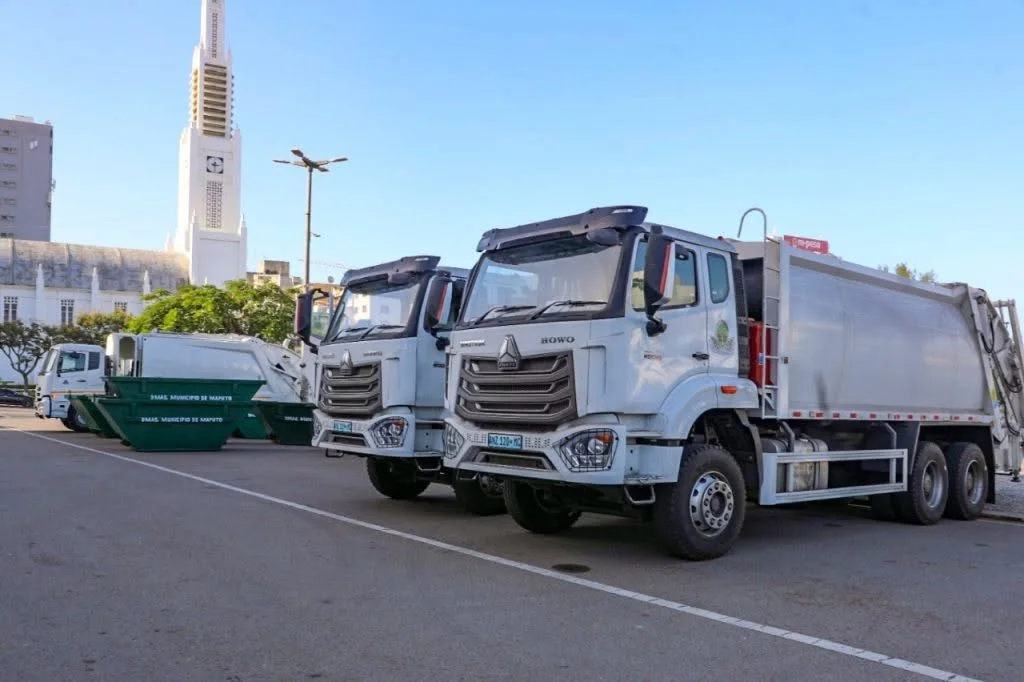
According to an investigation published by CIP and reported by the newspaper Carta de Moçambique, the two second-hand trucks, a Nissan UD and an Isuzu F-Series, were purchased through direct procurement from Moniga Multi Services, S.A., and delivered to the Municipal Directorate of Environment and Sanitation (DMAS) in April 2025.
The investigation revealed that the vehicles had defects in their fuel supply systems, hydraulic systems and waste compaction mechanisms. These problems were repeatedly reported to the supplier.
Following the complaints, the company committed to replacing the two defective trucks with new units and providing a third vehicle as a reserve. However, according to CIP, the replacement vehicles also failed to meet the technical specifications required by the municipality.
Among the main deficiencies identified were the presence of only one rear axle instead of the required two, a waste capacity of 16 cubic metres rather than the stipulated 22 cubic metres, and the absence of lifting mechanisms for six-cubic-metre waste containers.
As a result of these shortcomings, DMAS proposed returning all five vehicles on 20 April 2026, including the two originally purchased trucks and the three subsequently supplied. However, according to the investigation, the two second-hand trucks remained parked at municipal facilities, with the final outcome of the process still unknown.
The investigation also questioned the decision to purchase second-hand vehicles, revealing that in February 2024 the municipality had received a proposal from Motorcare Mozambique to supply a new truck equipped with a waste compaction system and other operational features for approximately 11.17 million meticals, including VAT.
According to CIP, although the decision to purchase used vehicles may have been intended to allow the municipality to acquire two trucks instead of one, the mechanical problems and lack of operational capacity undermined the expected benefits of the investment.
The organisation also questioned the legality of the direct contract award, arguing that the procurement did not meet the requirements established under Article 97 of Decree No. 79/2022 of 30 December, which governed public procurement at the time.
CIP maintained that solid waste management is a permanent and predictable responsibility of municipalities and does not, in itself, justify the use of exceptional procurement procedures.
Another issue highlighted by the investigation concerns the awarding of additional contracts by Maputo City Council to the same company, despite unresolved problems involving the initial truck purchase.
On 7 November 2025, the municipality confirmed the implementation of a second contract with Moniga Multi Services, S.A., for the supply of five vehicles equipped with mechanical street sweepers, while DMAS was still awaiting the replacement of the defective garbage trucks.
According to CIP, this situation raises questions about supplier evaluation criteria and compliance with public procurement regulations, particularly when problems relating to previous contracts remain unresolved.
The investigation further revealed that the supplier, established in March 2019 with a share capital of 20,000 meticals, increased its capital to 200,000 meticals in August 2024 and subsequently to 10 million meticals after receiving the 15.5 million metical payment.
As part of its investigation, CIP requested clarification from Maputo City Council regarding the operational condition of the trucks, procurement contracts, contract award procedures and technical inspection reports.
However, according to the organisation, the municipality failed to respond within the 21-working-day deadline specified in the request.
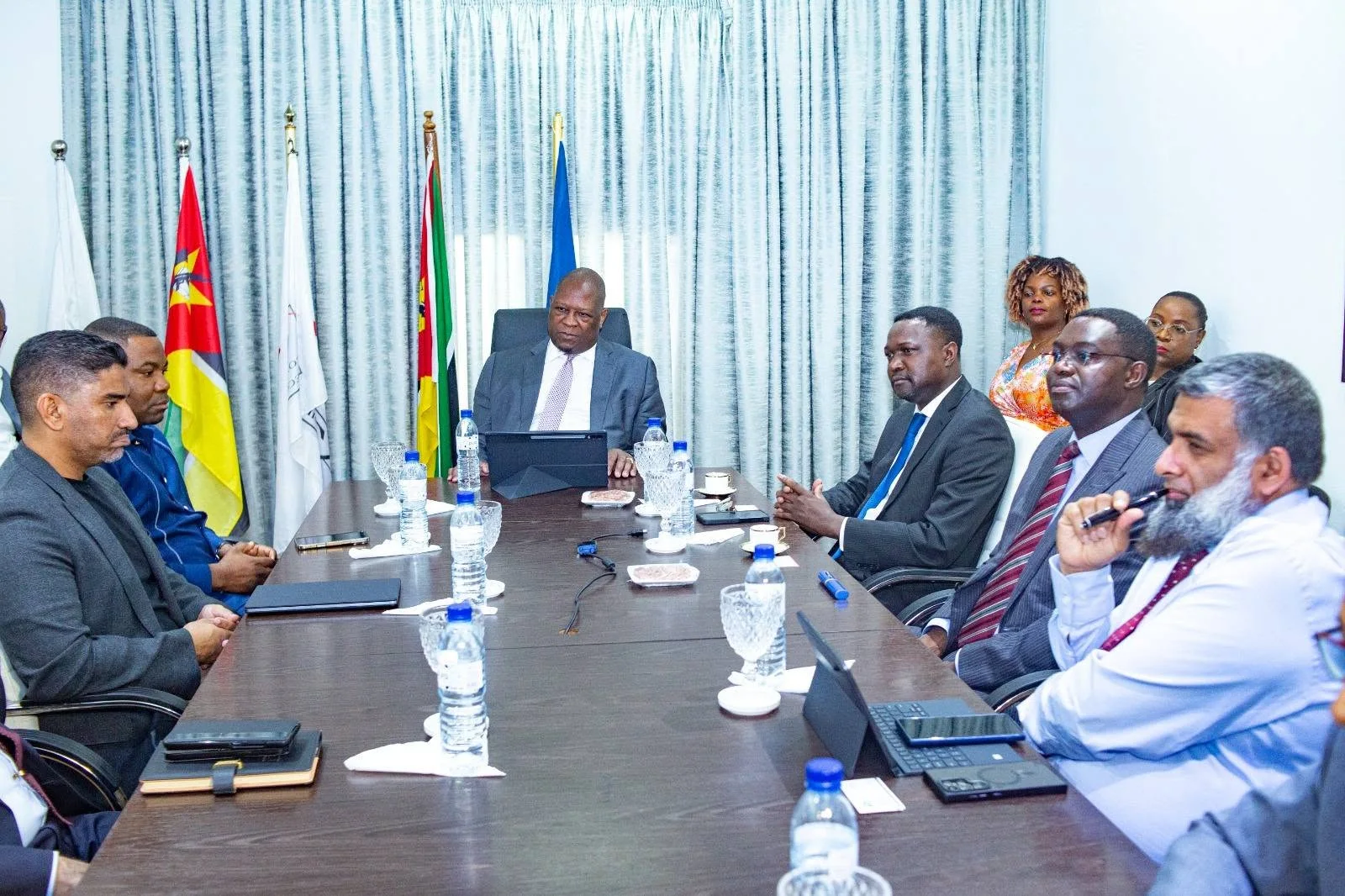
Following the publication of the investigation, Maputo City Council called a press conference to present its version of events.
The allegations come amid continuing challenges in solid waste management in Mozambique's capital, raising broader concerns about the efficiency of public spending and oversight of municipal contracts.